From Guide Dog Dropout to Therapy Hero: Marcus Finds His Calling
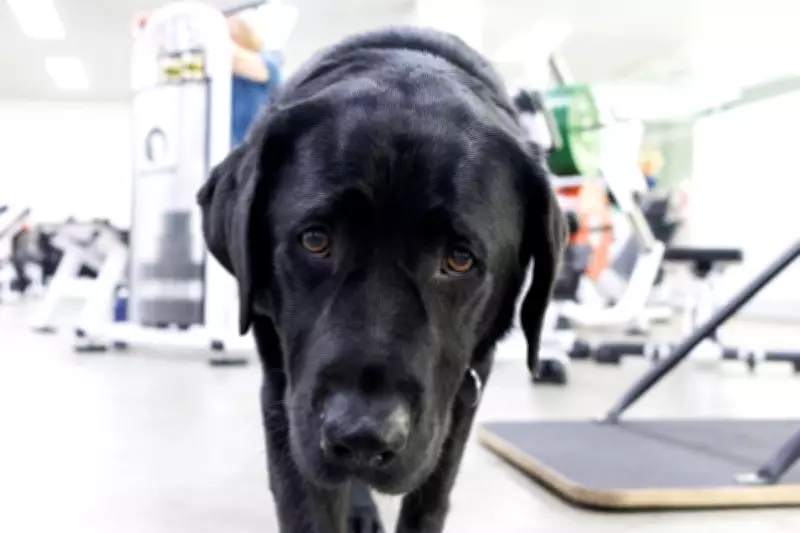
In the heart of St Leonards, Sydney, a four-year-old black Labrador named Marcus has carved out an inspiring new career as a therapy dog at Cancer Fit, a cancer care and rehabilitation centre. Once assessed as "a sloth with a low drive to work" during his guide dog training, Marcus now brings solace and joy to patients battling cancer, proving that sometimes, a change in path leads to a perfect fit.
A Rocky Start in Guide Dog School
Marcus began his journey as a puppy bred at the Guide Dogs Centre in Glossodia, a small town 68km north-west of Sydney. In April 2020, at just eight weeks old, he was placed with puppy raisers Alex and Alison, who described him as "tiny and funny" with a cautious demeanor. Despite quickly mastering basic commands like sit, drop, and stay, Marcus showed an "unwillingness to work" that made him unsuitable for the rigorous demands of guiding individuals with low vision or blindness.
His official file noted a preference for leisurely activities such as sitting in puddles, playing fetch, and seeking out snuggles over focused guide work. After 14 months, Guide Dogs NSW reclassified him, opting for the gentler term "career path change" instead of "rejected." Sam O'Keefe, the alternate pathways manager, explains that this shift in terminology reflects a more positive approach to matching dogs with roles that suit their temperaments.

Thriving as a Therapy Dog
Marcus's affectionate, friendly, and polite nature made him an ideal candidate for therapy work. In 2025, statistics from Guide Dogs NSW revealed that 39 dogs graduated as guide dogs, while 93 were placed as therapy dogs across New South Wales and the Australian Capital Territory. Today, over 650 therapy dogs under 12 years old serve in various settings, including courtrooms, schools, aged care facilities, and rehab clinics.
To qualify, therapy dogs must demonstrate a calm temperament, ability to relax in diverse environments, responsiveness to handler cues, and enjoyment of physical touch. They are often trained to un-learn prohibitions against jumping on furniture, as their new roles require them to provide comfort on laps, beds, and sofas. Marcus excels in this area, instinctively offering support to distressed individuals by resting his head on their legs or presenting his bottom for scratches.
Life at Cancer Fit with Dr Lina Pugliano
In 2022, Marcus was meticulously matched with oncologist Dr Lina Pugliano, founder of Cancer Fit. After a two-year application process, Marcus joined Pugliano's family, including her husband and two children, aged 10 and seven. At home, he makes nightly rounds to check on the children, tapping his paws on the floor to ensure their safety before retreating to his own bed.
Every weekday, Marcus accompanies Pugliano to work, stopping at a local cafe where the barista sneaks him a treat. At the clinic, he greets patients, patrols exercise machines, and offers silent companionship during oncology consultations. His presence is a source of comfort, often sitting stolidly nearby or under desks to provide reassurance without being told.
Challenges and Rewards
Marcus's only complaint might be the recent nutritional guidelines enforced at Cancer Fit. Initially, clients would sneak him snacks, leading to weight gain. On veterinary advice, he is now limited to approved treats like carrot chunks, cucumber sticks, apple slices, or strawberry tops—though some clients admit to occasionally bending the rules. Despite this, Marcus remains generous with his affection, offering comfort regardless of whether treats are involved.
His story highlights the importance of recognizing individual strengths in animals, much like in humans. From a guide dog dropout to a beloved therapy hero, Marcus embodies resilience and the power of finding one's true calling in unexpected places.