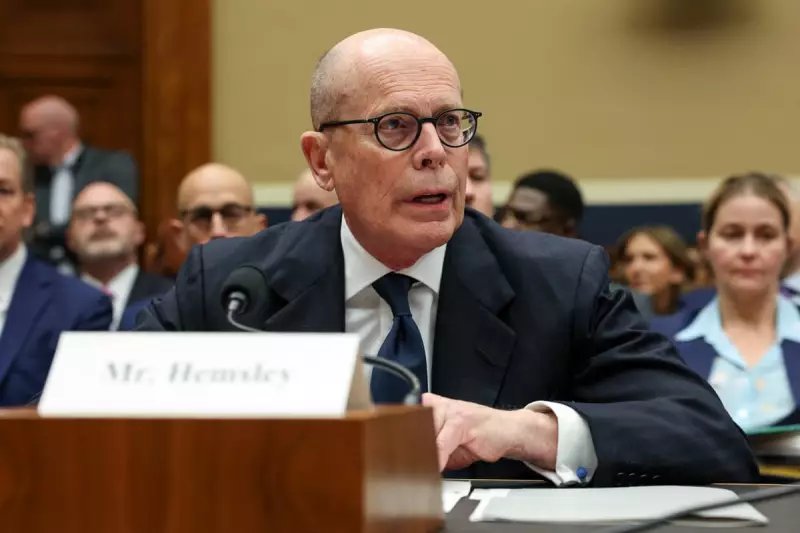
In a significant congressional hearing on Capitol Hill in Washington DC, top executives from the United States' largest health insurance companies faced intense scrutiny over the escalating affordability crisis in healthcare. The session, held on 22 January 2026, saw CEOs including Stephen Hemsley of UnitedHealth Group testify before the House energy and commerce committee, as lawmakers probed why medical expenses have become increasingly burdensome for American families.
Insurance Leaders Under the Microscope
The hearing featured leaders from five major corporations: UnitedHealth Group, CVS Health, Elevance Health, the Cigna Group, and Ascendiun. This gathering was part of Republican-led efforts to address healthcare costs ahead of the 2026 midterm elections, with committee chair Brett Guthrie and subcommittee health chair Morgan Griffith overseeing the proceedings. Griffith emphasised in his opening remarks that the insurance market is dominated by a handful of Fortune 50 companies, criticising it for lacking transparency and being difficult for patients to navigate.
UnitedHealth's Rebate Announcement
During the testimony, Stephen Hemsley, CEO of UnitedHealth Group, made a notable announcement. He stated that the company, which is the nation's largest health insurer, will voluntarily rebate profits earned from its Affordable Care Act (ACA) plans to customers in 2026. Hemsley clarified in prepared remarks that UnitedHealthcare is a relatively small participant in the individual ACA market, covering about 1 million individuals across 30 states, but committed to this move as Congress works on longer-term solutions.

Lawmakers Challenge Industry Practices
The hearing became a platform for lawmakers to directly challenge the insurers on various issues. Representative Diana Harshbarger, a Republican and pharmacist, questioned executives on how coverage decisions for prescription drugs are made and how drug prices are set, accusing insurance companies of controlling market rules rather than fostering competition. Meanwhile, Representative Alexandria Ocasio-Cortez highlighted corporate consolidation, pointing out that entities like CVS Caremark own multiple parts of the healthcare chain, from insurance to pharmacies and drug manufacturers, arguing that this structure disadvantages patients.
Broader Context of Healthcare Affordability
The testimony comes against a backdrop of rising healthcare expenses nationwide. According to a survey by the health policy group KFF, premiums for families with employer-based insurance increased by 6% in 2025, reaching nearly $27,000 annually. Overall healthcare spending in the US surged 7.2% in 2024 to more than $5.3 trillion, representing 18% of the country's gross domestic product, as per data from the Centers for Medicare and Medicaid Services.
Political Divides and Subsidy Debates
Congress has been focused on insurance affordability for months, with Democrats pushing to extend enhanced premium tax credits that reduce ACA plan costs. Earlier in January, the US House passed legislation to re-establish these tax credits after some Republicans broke ranks to support it. Without such subsidies, premiums were projected to double, potentially leading many to drop coverage. Last year saw a record 24 million Americans purchase ACA plans, but current enrollment has fallen behind, with about 22.8 million sign-ups so far, roughly 800,000 fewer than at the same point last year.
In contrast, former President Donald Trump has opposed restoring Obamacare subsidies, proposing instead direct payments for consumers to deposit into health savings accounts, though his framework has faced criticism for lacking detail. Guthrie indicated that this hearing marks the start of a broader series involving healthcare industry leaders aimed at identifying cost-reduction strategies across the system.