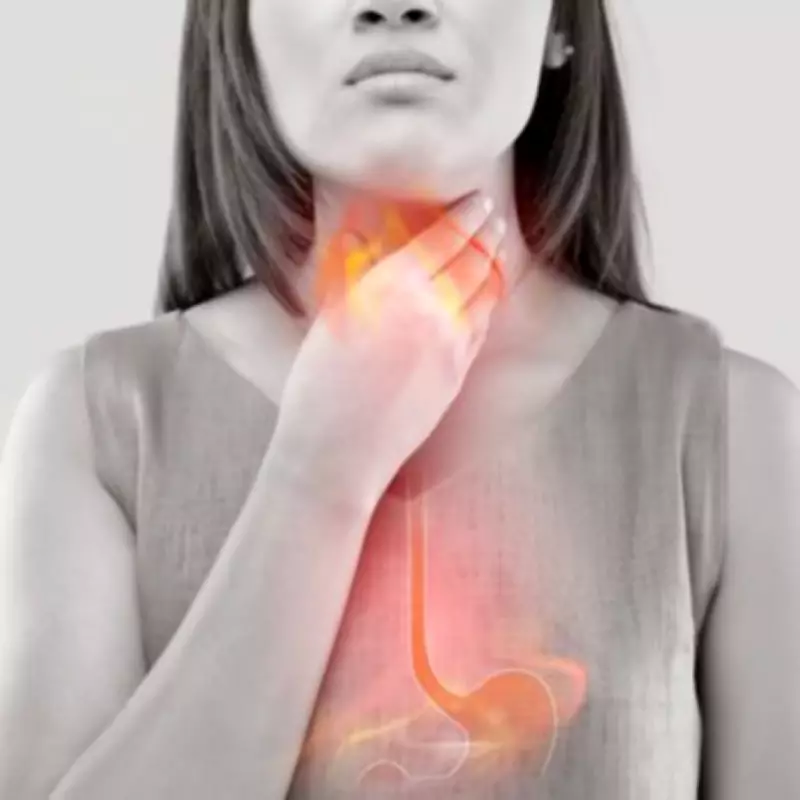
Persistent Heartburn Could Signal 'Forgotten Cancer' As Late Diagnoses Rise
Brits are being urged to take persistent heartburn and acid reflux seriously as these common digestive issues could indicate a potentially deadly form of cancer that's being diagnosed too late in increasing numbers.
Oesophageal cancer, which affects the food pipe connecting the mouth to the stomach, has been dubbed the "forgotten cancer" by health campaigners who warn that vague symptoms are leading to delayed diagnoses and poorer survival rates.
Alarming Increase in Late-Stage Diagnoses
Charity Action Against Heartburn has analysed the latest data and found a concerning trend in England. The proportion of oesophageal cancers diagnosed at stage 4 increased from 25% in 2013 to 37% in 2022. Stage 4 represents an advanced stage of the disease where cancer has spread from its original site and is often incurable.

Jill Clark, chair of Action Against Heartburn, stated: "Oesophageal cancer is the forgotten cancer. Incidence in the UK is disproportionately high and late diagnosis means that it is often fatal."
She continued: "The reasons for the increase in late-stage diagnosis are unclear but are likely to be due to a combination of strain on the NHS, referral delays, unhealthy lifestyles, an aging population and poor symptom awareness."
Survival Rates Highlight Importance of Early Detection
The survival statistics for oesophageal cancer reveal a stark contrast between early and late diagnosis. One-year survival stands at 89% when the cancer is detected at stage 1, but this plummets to just 26% when diagnosed at stage 4.
There are approximately 9,200 new cases of oesophageal cancer diagnosed in the UK each year, with fewer than 20% of patients surviving for more than five years after diagnosis.
Recognising the Symptoms
The NHS acknowledges that while there are many possible symptoms of oesophageal cancer, they might be difficult to spot. The health service lists the main warning signs as:
- Having problems swallowing
- Feeling or being sick
- Persistent heartburn or acid reflux
- Symptoms of indigestion, such as frequent burping
- A cough that doesn't improve
- A hoarse voice
- Loss of appetite or unexplained weight loss
- Persistent tiredness or lack of energy
- Pain in the throat or middle of the chest, especially when swallowing
- Black stools or coughing up blood
Professor Sheraz Markar, consultant oesophago-gastric surgeon at Oxford University Hospitals NHS Trust, explained: "Oesophageal cancer affects the food pipe connecting the throat to the stomach. The causes are often unclear, but can be related to lifestyle factors such as smoking, drinking alcohol, or being overweight."
He emphasised: "There are good treatment options if it's caught early but it becomes much more difficult once it has spread. Symptoms of oesophageal cancer can be vague but a common sign is persistent heartburn."
Lifestyle Factors and Awareness
Oesophageal cancer is linked to several lifestyle factors including smoking, excessive alcohol consumption, and poor diet. The condition's vague symptoms mean that many people dismiss warning signs as ordinary digestive discomfort.
Professor Markar advised: "Other symptoms can include problems swallowing, feeling or being sick, unexplained weight loss or chronic indigestion. If you experience any of these then we recommend that you see your GP."
The charity's warning comes as healthcare professionals stress the importance of not ignoring persistent digestive symptoms that might indicate something more serious than ordinary heartburn or indigestion.