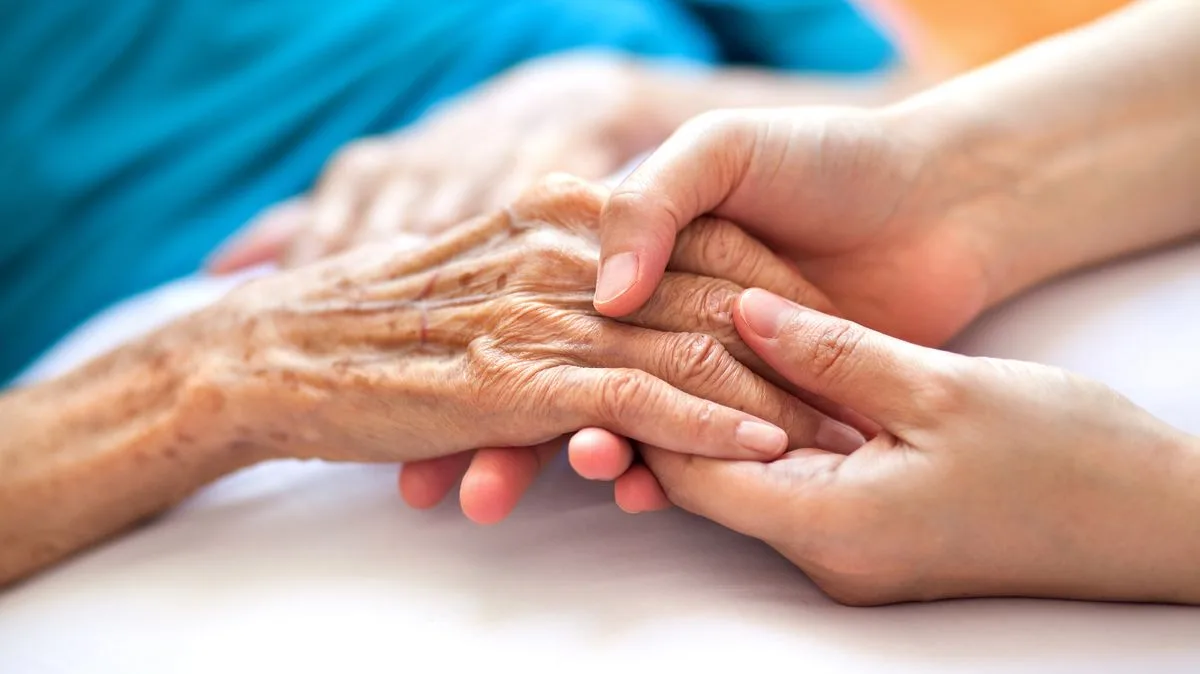
A hospice nurse with over 16 years of experience has shared the most common phrases she hears from dying patients. Julie McFadden, known as Nurse Julie on social media, says that 'thank you', 'I forgive you', 'goodbye' and 'please forgive me' are frequently uttered in final moments.
However, McFadden told DailyMail.com that these words are not typically spoken at the very last breath, contrary to dramatic portrayals in films. 'A lot of people think it's like the movies — a dramatic, last proclamation of something they've always regretted,' she said. 'It's not really like that.'
McFadden also discussed the phenomenon of patients seemingly choosing their time of death. In a conversation with NHS surgeon Dr Karan Rajan, she recalled patients saying things like 'I'm going to die after this date' or 'I'll wait for my daughter's wedding'. She described one case where a patient said 'I'm dying tonight' and then died, despite not showing signs of active dying. 'I have no idea' how this happens, she admitted.

Another common occurrence is patients seeing deceased loved ones or pets, but McFadden noted this typically happens about three weeks before death, when patients are still alert and oriented. 'They're up walking, talking and they are seeing things that we aren't seeing,' she said.
Other behaviours include calling out a family member's name or acting in a child-like manner, though experiences vary widely. McFadden added that sometimes patients say things that don't make sense to others but may hold meaning for them.