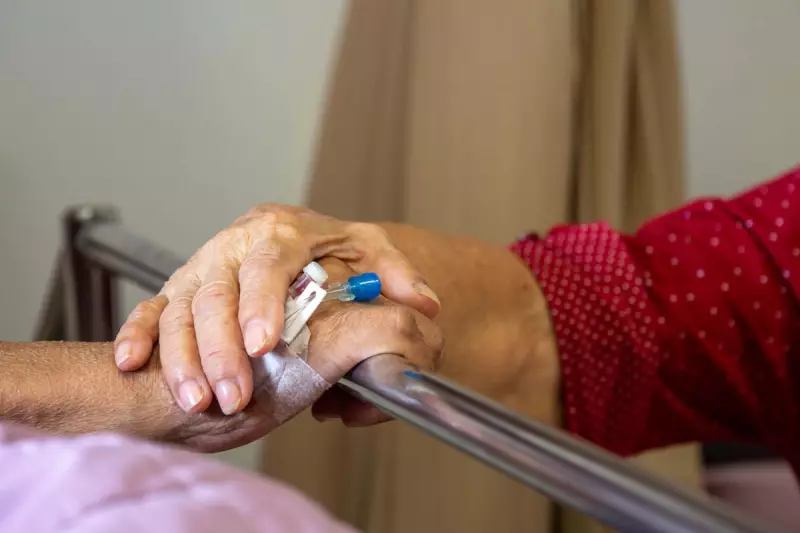
The chief executive of Hospice UK has issued a stark warning that the UK's hospice sector faces a potential crisis if the proposed assisted dying legislation becomes law. Toby Porter has voiced serious concerns that the controversial bill could lead to a significant exodus of staff and volunteers, exacerbating existing workforce shortages in an already under-resourced sector.
Legislative Background and Current Status
The Terminally Ill Adults (End of Life) Bill, which was first introduced in October 2024, proposes allowing terminally ill adults with a prognosis of six months or less to opt for an assisted death. The legislation is currently undergoing detailed scrutiny in the House of Lords, where it has attracted considerable attention and debate.
Parliamentary Challenges and Delays
The bill's progress has been complicated by the submission of over 1,000 proposed amendments in the Lords. Supporters of the legislation have accused opponents of employing tactics they describe as "sabotage" and "filibustering," which could potentially delay or derail the bill's passage through Parliament.

Impact on Hospice Sector
Mr Porter's primary concern centres on how the legislation might affect hospice operations across the United Kingdom. He fears that the introduction of assisted dying could create deep ethical divisions among hospice staff, potentially leading to resignations from those who object to the practice on moral or professional grounds.
Workforce Implications
The hospice sector already faces significant staffing challenges, and any loss of personnel could have serious consequences for patient care. Volunteers, who play a crucial role in supporting hospice services, might also reconsider their involvement if the legislation changes the fundamental nature of end-of-life care provision.
Financial and Reputational Concerns
Beyond workforce issues, hospice leaders are worried about potential financial pressures that could arise from the legislation. There are concerns that public perceptions of hospices might change, potentially affecting donation levels from supporters who have traditionally associated these institutions with palliative care rather than assisted dying.
Ethical Divisions and Operational Challenges
The introduction of assisted dying could create complex ethical dilemmas for hospice staff, who have traditionally focused exclusively on palliative care approaches. This shift might require significant adjustments to training, protocols, and the overall philosophy of care within hospice settings.
As the debate continues in Parliament, hospice leaders across the country are closely monitoring developments and preparing for potential changes to their operating environment. The sector faces the challenge of maintaining its core mission while adapting to potential legislative changes that could fundamentally alter the landscape of end-of-life care in the United Kingdom.