Health Board Clarifies Pressure to Open Glasgow Hospital 'Came From Within'
NHS Greater Glasgow and Clyde has moved to clarify comments made during its closing submissions to the Scottish Hospitals Inquiry, stating that pressure to open the Queen Elizabeth University Hospital "came from within" the health board itself.
Board Seeks to Clarify Inquiry Comments
In a statement issued on Saturday evening, NHS Greater Glasgow and Clyde explained that the Queen Elizabeth University Hospital in Glasgow was a public sector capital project, and as such the board's "objective" would have been to deliver it on time and within budget. The health board stated that its then-chief executive Robert Calderwood would have "sought updates" on the hospital's progress based on these operational priorities.
The clarification refers to comments in the health board's closing submissions to the Scottish Hospitals Inquiry last week, which mentioned that "pressure" was applied to ensure the facility opened on schedule in 2015. These remarks had triggered significant speculation about the source of this pressure, with opposition figures suggesting it came from Scottish Government ministers and former first minister Nicola Sturgeon.

Political Pressure Speculation Addressed
Scottish Conservative leader Russell Findlay had urged NHS Greater Glasgow and Clyde chief Professor Jann Gardner on Friday to identify who the accusations referred to. In response, the health board stated that the comment in its closing submissions had been made "in general terms only" and should be understood as referring to internal pressures.
The board's statement elaborated: "The comment made regarding pressure to open was made in general terms only based on the generality of the evidence that indicated that there were pressures to open 'on time and on budget' from within NHSGGC with the chief executive at the time confirming that he would have sought updates on that basis."
Evidence presented during the inquiry highlighted challenges including a lack of estates and facilities staff and insufficient resources for the extremely complex project. The health board emphasised that its general submission about opening pressure "should be assumed came from within NHSGGC."
Water Issues and Retrospective Admissions
The statement noted that in his evidence during the inquiry, former chief executive Robert Calderwood stated he had not been aware of "water issues" or the DMA Canyon water report until 2021. "By implication, he therefore could not have made anyone else (internal or external) aware of those issues," the board explained. "As such, it would not have been a factor for consideration at the point the project proceeded to open."
The health board acknowledged that its admission that Queen Elizabeth University Hospital had been opened too early was retrospective, based on "information we now have available." The inquiry has been examining the design and construction of both the Queen Elizabeth University Hospital and the Royal Hospital for Children, which share the same campus.
Inquiry Context and Family Statements
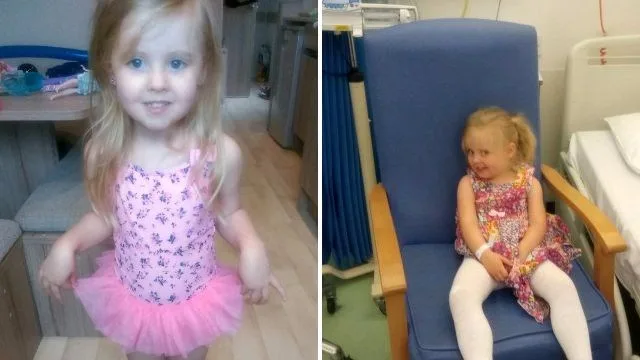
The Scottish Hospitals Inquiry was launched in 2020 following deaths linked to infections at the hospital, including that of 10-year-old Milly Main in 2017. Total costs for the inquiry have now exceeded £31 million. In written closing submissions, the health board accepted there was probably a "causal connection" between infections suffered by patients and the hospital environment, particularly the water system.
NHS Greater Glasgow and Clyde has offered a "sincere and unreserved apology" to affected patients and families, while maintaining that both hospitals are safe today. The board also admitted that three whistleblowers were not treated "as they ought to have been" and that "the process had a significant impact on their wellbeing."
On Thursday, a joint statement from families affected by hospital infections declared that flaws in the building's environment had "killed and poisoned our loved ones." The statement continued: "We trusted the hospital and the health board. Instead, we were left at the mercy of a hospital with a defective ventilation system and a defective water system. We were at the mercy of what we now know to be a deceitful and dishonest health board."

Health Board's Current Position
In its latest statement, NHS Greater Glasgow and Clyde stated: "NHSGGC apologises for the historical failings that have been highlighted by the Scottish Hospitals Inquiry. We would like to reiterate our sincere and unreserved apology to the patients, families and staff affected."
The board added: "NHSGGC wants to give an assurance to current patients, family members, staff and members of the public that ensuring the safe care of our patients is our key priority at all times. Comprehensive steps have been taken to address past physical defects in the building, with a significant and ongoing programme of maintenance and monitoring in place to ensure the quality and safety of the QEUH and RHC today."