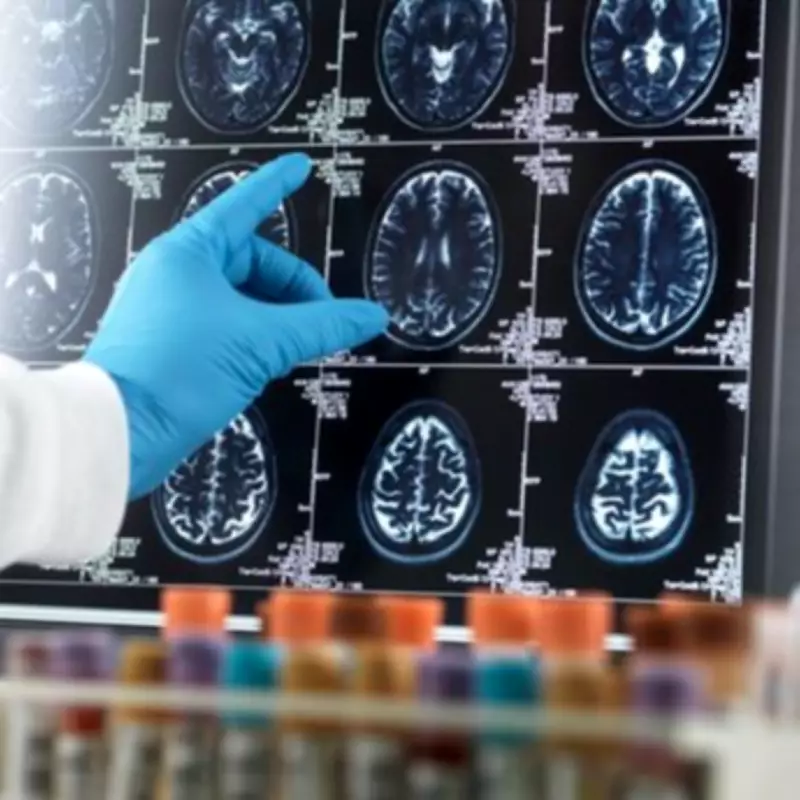
British individuals with low iron levels could face a substantially higher risk of developing dementia, according to groundbreaking new research. The study indicates that iron deficiency anaemia, previously associated with serious conditions like heart disease and kidney failure, may also accelerate cognitive decline and reduce the brain's resilience to neurodegenerative diseases.
Strong Connection Between Anaemia and Dementia
The comprehensive research, conducted by scientists at Stockholm University and published in the prestigious journal JAMA Neurology, followed over 2,300 participants aged 60 and above who were initially dementia-free for a period of nine years. The investigation meticulously tracked how fluctuations in iron levels influenced the development of Alzheimer's disease, the most common form of dementia.
Methodology and Key Findings
At the study's commencement, blood samples were collected from all participants and analysed for various biomarkers. Researchers measured levels of tau protein, which accumulates and forms tangles in the brain and is believed to be responsible for Alzheimer's symptoms. Additionally, they recorded haemoglobin levels - the protein in red blood cells that transports oxygen throughout the body, whose production depends on adequate iron.

Anaemia was defined using standard clinical thresholds: haemoglobin levels of 120 grams per litre or less for women and 130 grams per litre or less for men. The results revealed a striking correlation between anaemia and dementia risk.
Participants with anaemia were found to be 66 percent more likely to develop Alzheimer's disease compared to those with normal haemoglobin levels. Furthermore, low haemoglobin concentrations were associated with elevated levels of the specific tau protein marker p-tau217, considered the most precise blood indicator for Alzheimer's disease.
Gender Disparities in Risk
Interestingly, the research uncovered that anaemia was associated with a higher dementia risk in men than in women, despite women being more commonly affected by iron deficiency. In the United Kingdom, approximately eight percent of women and three percent of men suffer from anaemia, which occurs when the blood lacks sufficient resources to transport adequate oxygen throughout the body.
Researchers explained this gender discrepancy: "While females tend to have lower haemoglobin levels and higher anaemia prevalence in early life due to reproductive factors, anaemia in males is less common and frequently driven by underlying disease, inflammation, or nutritional deficiencies. Females' lower baseline haemoglobin levels might confer greater tolerance to anaemia, potentially buffering its impact on brain health."
Understanding Iron Deficiency Anaemia
Iron deficiency anaemia typically manifests through symptoms including persistent tiredness, shortness of breath, and heart palpitations. This condition can result from insufficient iron in the diet, but other common contributing factors include heavy menstrual periods and pregnancy.
The study's authors emphasized the significance of their findings: "Our research suggests that anaemia represents a significant factor in dementia risk and could potentially serve as a modifiable target in dementia prevention strategies."
This research adds to growing evidence about the far-reaching consequences of iron deficiency, highlighting the importance of maintaining adequate iron levels not just for physical health but for long-term cognitive function as well.