London Measles Outbreak Confirmed as Vaccination Rates Hit Critical Low
The UK Health Security Agency has officially confirmed a substantial measles outbreak in parts of London, primarily affecting unvaccinated children under the age of ten. The outbreak has been concentrated in educational settings across north-east London, with multiple children requiring hospital treatment due to complications from the highly infectious viral illness.
Alarming Case Numbers and Hospitalisations
Between January 1 and February 9, Enfield recorded thirty-four laboratory-confirmed measles cases, while The Sunday Times reported over sixty suspected cases across seven schools and one nursery in the affected area. Health officials have noted that approximately one in five children affected during this outbreak have been hospitalised, with all hospitalised cases involving children who had not received full immunisation.
The situation has prompted urgent NHS alerts urging parents to ensure their children receive the MMRV vaccination, which has replaced the traditional MMR vaccine in the NHS routine childhood vaccination programme. The NHS emphasises that vaccination remains the most effective method to reduce serious illness risks and protect children as they develop.

Loss of Measles Elimination Status
This outbreak follows the significant announcement earlier this year that the United Kingdom has lost its measles elimination status. On January 26, both the World Health Organization and the UK Health Security Agency confirmed this status change, highlighting the growing public health concern regarding vaccine-preventable diseases in the country.
Vaccination rates in the affected Enfield area have reached concerning lows, with UKHSA figures from last August revealing that only 64.3% of five-year-olds had received both required MMR vaccine doses during the 2024/25 period. This represents one of the lowest vaccination rates recorded nationally, creating vulnerable populations where infectious diseases can spread rapidly.
Health Officials Issue Urgent Warnings
Dr Vanessa Saliba, consultant epidemiologist at the UKHSA, stated: "Our latest data shows we are now seeing a big measles outbreak in north-east London, mostly affecting unvaccinated children under 10 in schools and nurseries, with some being hospitalised. Measles is a nasty illness for any child, but for some it can lead to long-term complications and tragically death, which is so easily preventable with two doses of the MMRV vaccine."
Dr Saliba further emphasised the importance of catching up on missed vaccine doses, particularly with Easter holidays approaching and families potentially travelling to countries where measles remains widespread. The two-dose measles-containing vaccine regimen provides strong protection and is crucial for preventing future outbreaks and protecting vulnerable individuals who cannot receive vaccinations due to health conditions.
Local Response and Symptoms Information
Enfield Council has confirmed it is working closely with UKHSA, the NHS, and local partners to respond to the confirmed measles outbreak in the borough. The NHS Ordnance Unity Centre for Health GP surgery's website currently carries warnings about the "fast-spreading measles outbreak in several schools across Enfield."
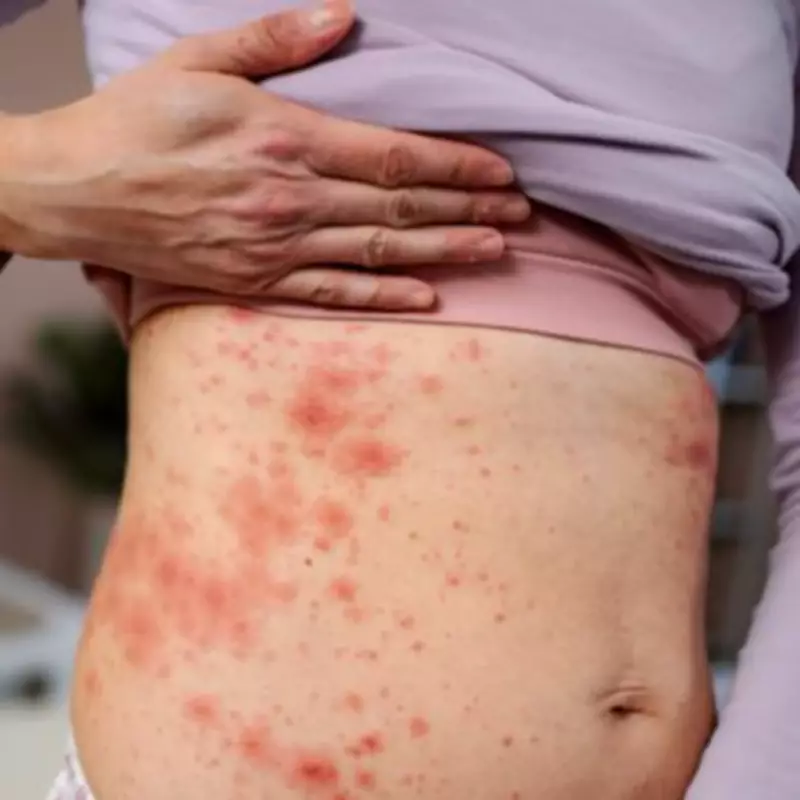
Measles typically begins with cold-like symptoms including high temperature, runny or blocked nose, sneezing, cough, and red, sore, watery eyes. Small white spots may appear inside the cheeks and on the back of the lips several days later. A distinctive rash usually follows, starting on the face and behind the ears before spreading across the body. The rash appears as brown or red spots on white skin and may be more difficult to detect on brown and black skin.
There is currently no specific treatment for measles, making prevention through vaccination critically important. The MMRV vaccine protects against measles, mumps, rubella, and chickenpox, and is typically administered to children at twelve and eighteen months old, though some older children may also be eligible. GP surgeries generally contact families regarding vaccination schedules through letters, text messages, phone calls, or emails.