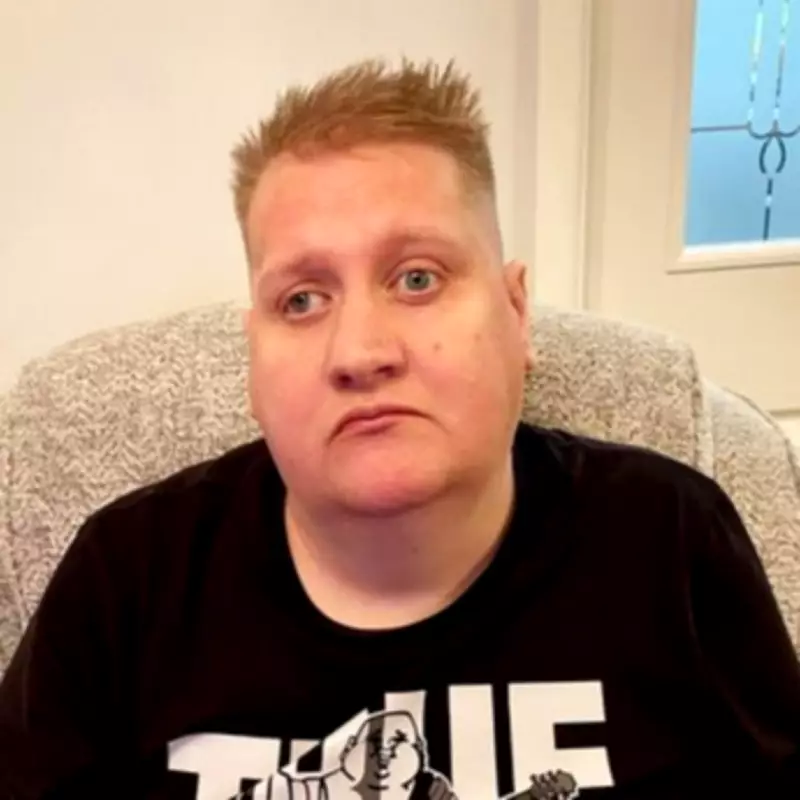
A brain tumour patient who was mistakenly administered chemotherapy for eight years rather than the recommended six-month course is now pursuing legal action against the National Health Service, alleging catastrophic failures in his care that have left him with permanent neurological impairment.
Devastating Consequences of Prolonged Treatment
David Bown, a 41-year-old former IT systems manager and enthusiastic footballer from Atherstone, Warwickshire, began experiencing seizures approximately a decade ago. Subsequent medical scans revealed a low-grade brain tumour, prompting surgical intervention to remove the mass. However, critical oversights in his postoperative management set in motion a chain of events that would irrevocably alter his life.
Critical Delays in Surgical Response
Following the initial tumour resection, medical protocols requiring an MRI scan within 48 hours to detect potential complications were not followed. When a scan was eventually conducted four days later, it revealed dangerous bleeding and swelling in his brain. Despite these alarming findings, Mr Bown was not immediately taken back to theatre for emergency surgery.

This delay resulted in him suffering a stroke and falling into a coma before finally receiving urgent surgical intervention to extract a blood clot, place a drain, and perform further tumour resection. Legal representatives argue that this postponed response occurred too late to prevent permanent brain damage.
Years of Unnecessary Chemotherapy
In the aftermath of these surgical complications, Mr Bown was prescribed temozolomide chemotherapy. Astonishingly, he continued receiving this treatment for over eight years, dramatically exceeding the six-month duration recommended by established clinical guidelines.
Independent medical experts have concluded that this prolonged exposure to chemotherapy subjected him to unnecessary risks, including significantly increased chances of developing secondary blood cancers. The extended treatment has been linked directly to his current condition, which includes substantial cognitive and visual impairments.
Life-Altering Impact on Patient
Mr Bown now requires daily assistance from his parents to manage his medication, prepare meals, and attend medical appointments. He also experiences depression that his legal team attributes directly to the years of debilitating treatment.
"I went from living a normal, active life—working, coaching children's football, socialising with friends—to becoming completely dependent on my parents for everything," Mr Bown explained. "I trusted the hospital to provide appropriate care, but retrospectively, I cannot comprehend why I received such prolonged treatment. It has stripped me of everything. I often cry myself to sleep and experience dreams where I can see clearly, only to awaken to visual impairment. It feels like an ongoing nightmare."
Wider Pattern of Concern Emerges
Fiona Tinsley, partner at Brabners solicitors representing the family, revealed that their investigation has uncovered evidence suggesting a broader pattern of harmful cancer treatments at University Hospitals Coventry and Warwickshire NHS Trust. Over thirty patients are now pursuing legal action against the trust.
"David was a young man with his entire future ahead of him," Ms Tinsley stated. "The cumulative impact of these failures has deprived him of his independence, health, and significant years of his life. What began as concerns regarding chemotherapy administration in Coventry now indicates systemic shortcomings across multiple practice areas within the trust."
These alleged failings reportedly involve clinicians across various specialities including neuro-oncology, neurosurgery, neuroradiology, clinical nurse specialists, and pharmacy staff.
Profound Human Cost of Medical Failures
The legal firm emphasises the devastating consequences experienced by affected patients. Many were informed they had limited life expectancy without treatment and consequently endured years of exhausting therapy under the belief it was sustaining their survival.

The burden of these alleged failures extends across physical, psychological, and financial dimensions, including career loss, fertility issues, and diminished quality of life. Some patients have become infertile, entered early menopause, or developed secondary leukaemia requiring stem cell transplants. All involved face elevated risks of secondary cancers.
"These patients deserve comprehensive answers, accountability, and assurance that the NHS has thoroughly learned from these incidents to prevent recurrence," Ms Tinsley added. "This matter holds significant public interest implications for healthcare safety standards."
Institutional Response
A spokesperson for University Hospitals Coventry and Warwickshire NHS Trust responded: "We remain dedicated to delivering the safest possible care for all our patients. As legal proceedings are currently active, we cannot provide further commentary at this juncture."
The case highlights ongoing concerns about patient safety protocols, treatment oversight, and systemic accountability within NHS oncology services, raising important questions about how such prolonged deviations from standard care guidelines could occur without timely intervention.