A man who endured years of humiliation over the size of his penis is now channelling his experience into an attempt to secure a place in the Guinness World Records.
From Embarrassment to Diagnosis
Michael Phillips, 36, from North Carolina, first realised something was different when a female partner reacted with laughter upon seeing him for the first time. This painful experience led him to seek medical advice, where he was formally diagnosed with a micropenis, a rare condition affecting an estimated 0.5% of men.
For context, the average penis size in the UK ranges from 3.5 to 5.8 inches, while Michael's measures at under an inch. The diagnosis, though daunting, provided an explanation for the significant challenges he has faced throughout his adult life.

The Daily Reality of a Rare Condition
The impact of the condition extends far beyond the bedroom. Michael has openly discussed how it affects his most basic daily routines. "You have to see it every time you go to the bathroom," he explained. Because of his anatomy, he is unable to use urinals and must sit down to urinate, which presents practical difficulties in public spaces like sports stadiums.
His romantic and sexual life has been profoundly affected. After unsuccessful attempts at intercourse, Michael gave up on dating entirely. "The main reason I went to the doctor was because my penis is actually too small to have sex at all," he told The Sun. This led to years of secrecy and avoiding relationships to sidestep potential rejection.
Considering Surgery and a Record-Breaking Goal
Medical options exist, including a surgical procedure that could add approximately an inch to an inch-and-a-half in length by dividing the suspensory ligament and increasing girth with transferred fat. However, Michael is weighing whether the potential gain is worth the procedure, as he would likely remain within the micropenis spectrum.
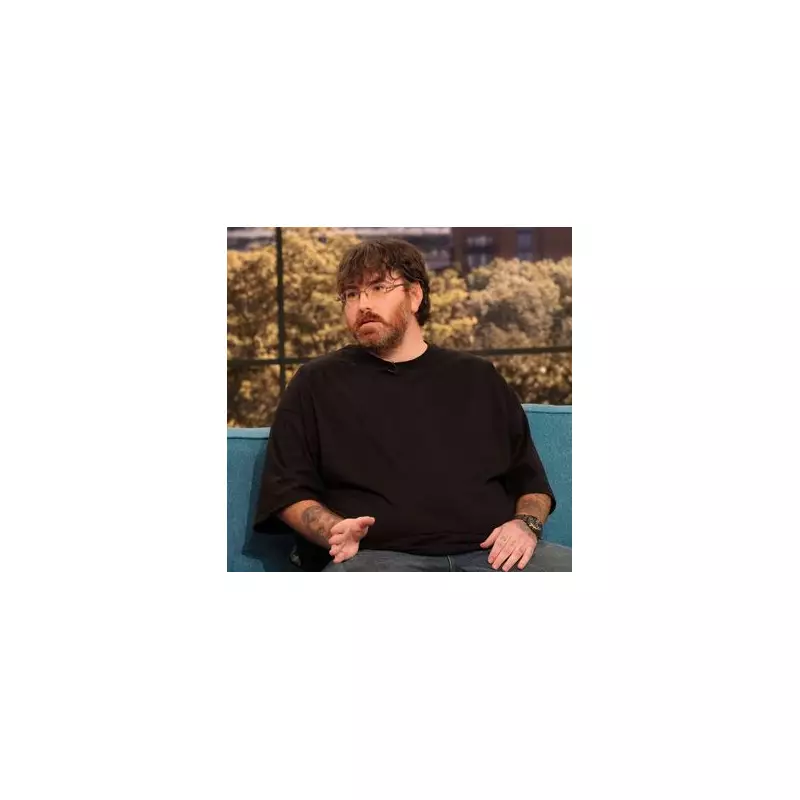
Instead of living in shame, he has decided to pursue a Guinness World Record for the world's smallest penis, hoping to turn his unique circumstance into a form of empowerment. By speaking out on platforms like ITV's This Morning, he aims to raise awareness about the condition and its wide-ranging effects on confidence and daily living.
Michael's journey highlights the often-overlooked physical and psychological dimensions of rare medical conditions. His story is one of confronting stigma, managing practical life challenges, and seeking a positive path forward from a situation that has shaped much of his life.