Measles Vaccination Failure Could Cost England £290m and Hundreds of Lives
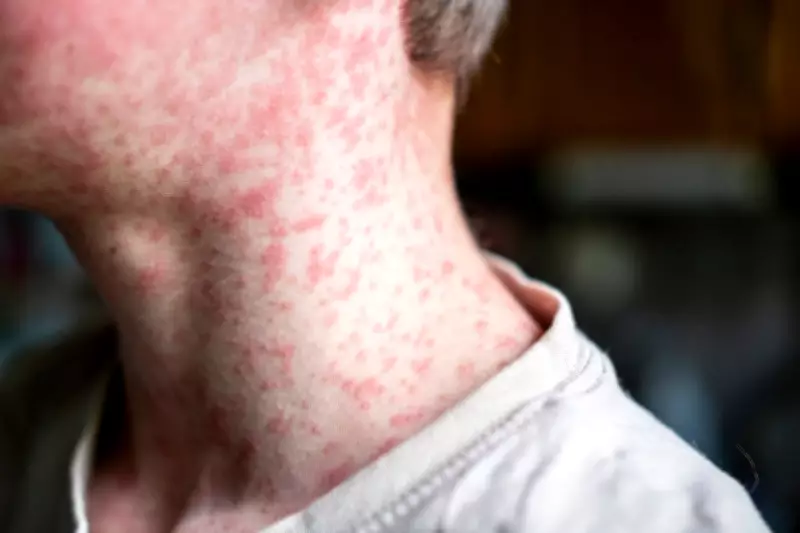
England faces a staggering economic burden of more than £290 million alongside potentially hundreds of preventable deaths if current low childhood vaccination rates against measles continue, according to stark new warnings from public health experts. The United Kingdom has lost its hard-won status of having eliminated the highly contagious disease, with global health officials confirming transmission has been re-established following a worrying decline in immunisation uptake.
Devastating Projections from Imperial College Research
Scientists at Imperial College London's Jameel Institute have conducted comprehensive modelling that paints a concerning picture for the nation's health and economy. Their research, published in the respected Vaccine journal, simulates what could happen if approximately 3 percent of parents continue to refuse measles vaccinations for their children.
Over a twenty-year period, researchers predict two major measles outbreaks that could result in 392,805 additional cases and 480 tragic deaths. The economic impact of these outbreaks is projected to reach £292 million, with the majority of this cost – a substantial 74 percent – attributed to productivity losses rather than direct healthcare expenses.

"Parents taking time off work to care for sick children represents the largest portion of this economic burden," the study authors noted, highlighting how the disease's impact extends far beyond hospital wards.
How the UK Lost Its Measles Elimination Status
The World Health Organisation confirmed in 2024 that measles transmission had been "re-established" in the UK, marking a significant setback in public health achievements. This reversal came after vaccination rates plateaued and cases surged dramatically, with 3,681 infections recorded across the country in that year alone.
Professor Katharina Hauck from Imperial College London emphasised the extraordinary infectiousness of measles in comments to The Independent. "One patient can infect between 16 and 20 other patients," she explained. "It's absolutely insane how infectious that disease is, and that means everyone who can be vaccinated needs to be vaccinated to keep measles under control."
Alarming Vaccination Rates Across England
Latest figures from the UK Health Security Agency reveal concerning trends in childhood immunisation. For the 2024-2025 period, just 91.9 percent of five-year-olds had received their first MMR vaccine dose – unchanged from the previous year and representing the lowest level since 2010-2011.
Even more worryingly, only 83.7 percent of five-year-olds had received both recommended MMR doses, marking a slight decline from the previous year and the lowest coverage since 2009-2010. These figures fall far short of the 95 percent threshold recommended by the WHO to achieve herd immunity.
Professor Hauck highlighted particular areas of concern, noting: "We have certain populations in east London where we have less than 60 percent of children who have received the MMR vaccine. That's significantly below the 95 percent threshold required for herd immunity."
The MMR Vaccine and Emerging Alternatives
The standard MMR vaccine, which protects against measles, mumps and rubella, is gradually being replaced by the MMRV vaccine that offers additional protection against varicella, commonly known as chickenpox. Despite these medical advances, vaccination uptake continues to present significant challenges.
Unlike some countries including the United States, where measles vaccination is mandatory for school entry with potential fines for non-compliance, the UK maintains a voluntary system. Parents face no financial penalties for refusing vaccinations, though they can apply for exemptions on religious or philosophical grounds in some jurisdictions.

Barriers to Vaccination and Potential Solutions
Research indicates that while some parents express hesitancy due to concerns about vaccine safety, many face practical barriers that could be addressed with improved support systems. The Royal College of Paediatrics and Child Health identified several common challenges including difficulty booking appointments that fit around work and childcare commitments, inconvenient clinic locations, and the high cost of public transport to reach vaccination centres.
"I think many parents, if you make it easier for them and if you educate them, can be persuaded with good campaigns," Professor Hauck suggested, pointing to evidence from Imperial College's REACT study which found that 65 percent of people initially hesitant about Covid-19 vaccines eventually received at least one dose.
National Efforts to Boost Immunisation Rates
The UKHSA has launched a new £2 million pilot scheme designed to address vaccination barriers across five English regions: London, the Midlands, the North East and Yorkshire, the North West and the South West. This initiative, which began in January, will see health visitors reaching families facing difficulties accessing vaccines.
This follows a nationwide catch-up campaign in 2023-2024 that successfully delivered more than 180,000 additional MMR doses to partially vaccinated children. Experts emphasise that while regaining herd immunity could theoretically occur quickly once vaccination rates improve – with protection developing within approximately 14 days – changing parental attitudes and behaviours represents a longer-term challenge requiring sustained public health efforts.
The stark warnings from researchers underscore the urgent need to address declining vaccination rates before England faces the devastating human and economic consequences predicted in their modelling.