Measles Crisis: NHS Enforces Four-Day Rule as UK Loses Elimination Status
The United Kingdom has been stripped of its hard-won measles elimination status by the World Health Organisation (WHO), marking a significant public health setback. The WHO has confirmed that the contagious and potentially fatal disease is now officially "re-established" across the nation, triggering urgent NHS guidance including a critical four-day isolation rule.
Alarming Surge in Measles Cases
Recorded measles infections in the UK skyrocketed to a concerning 3,681 cases throughout 2024. This troubling trend continued into 2025, with England alone reporting 957 laboratory-confirmed cases. The stark increase represents a dramatic reversal from the period between 2021 and 2023, when the UK was considered to have successfully "eliminated" the disease.
According to the UK Health Security Agency (UKHSA), the overwhelming majority of these cases have been identified in unvaccinated children under the age of ten. The agency has issued a stark warning, stating that uptake of routine childhood vaccinations is currently at its lowest point in a decade. This rate falls far below the 95 per cent threshold required to achieve population immunity and prevent measles outbreaks.

"This is giving measles a chance to get a foothold in our communities," a UKHSA spokesperson emphasised, highlighting the direct link between declining immunisation rates and the resurgence of the virus.
The NHS Four-Day Isolation Rule
In response to the escalating crisis, the NHS is urgently reminding the public of a crucial four-day rule to help prevent further transmission. The health service advises that anyone with measles must stay away from school, nursery, or work for at least four full days from the moment the characteristic rash first appears.
Official guidance on the NHS website explains: "Stay off nursery, school or work for at least four days from when the rash first appears. Also try to avoid close contact with babies and anyone who is pregnant or has a weakened immune system."
Symptoms and Serious Health Risks
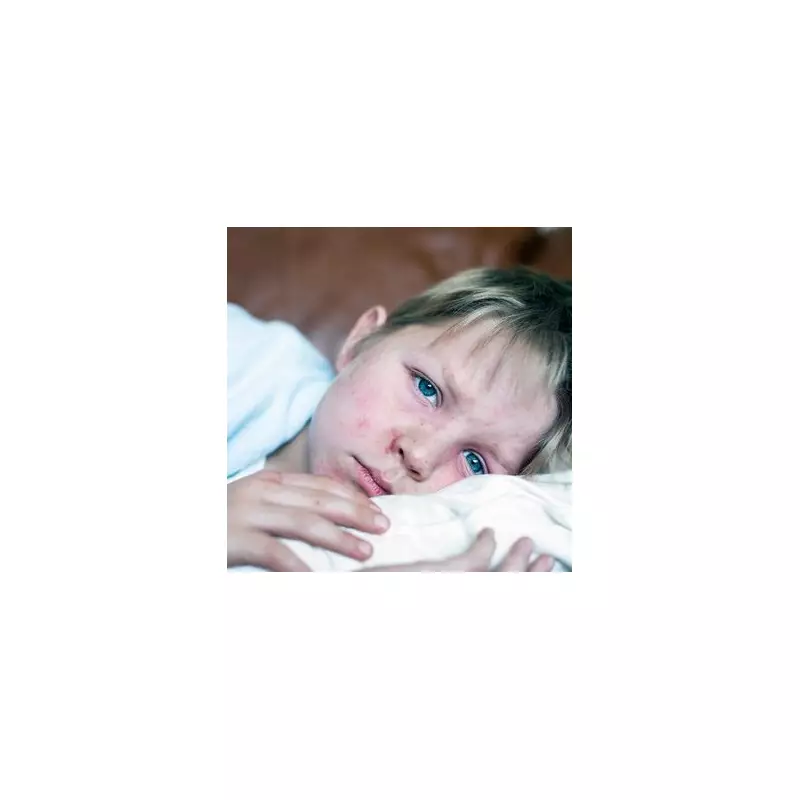
Measles typically begins with cold-like symptoms, followed by a distinctive rash a few days later. This rash usually starts on the face and behind the ears before spreading across the rest of the body. The spots are often raised and may merge to form blotchy patches; they are generally not itchy.
The NHS warns that measles can lead to severe and life-threatening complications if the infection spreads to other parts of the body, such as the lungs or brain. Potential consequences include pneumonia, meningitis, blindness, and seizures. In the most severe cases, measles can prove fatal.
The gravity of the situation is underscored by mortality data: there were a total of 20 deaths from measles between 2019 and 2025, which matches the number recorded over the entire 19-year period from 1999 to 2018.
Immediate Actions and Symptom Management
The first step for anyone suspecting they or their child has measles is to book an urgent appointment with their GP. The NHS advises: "Measles can spread to others easily. Call your GP surgery before you go in. They may suggest talking over the phone or arrange for you to come to a part of the surgery where you’re separated from others. You can also call 111 or get help from 111 online."
After consulting a medical professional, several measures can help ease symptoms and reduce the risk of spreading the infection:
- Ensure plenty of rest and drink ample fluids, such as water, to prevent dehydration.
- For children in distress, consider giving paracetamol or ibuprofen formulated for children, after checking the packaging for suitability or consulting a pharmacist or GP.
- Adults with a high temperature can take paracetamol or ibuprofen.
- Gently clean any crusts from the eyes using cotton wool soaked in water that has been boiled and allowed to cool.
Vaccination: The Best Form of Protection
Health authorities stress that vaccination remains the most effective defence against measles. Receiving the MMR (measles, mumps, rubella) or MMRV (which also includes chickenpox) vaccine is described as the "best way" to prevent the disease.

The NHS states: "Both vaccines also protect you from mumps and rubella, and the MMRV vaccine also protects you from chickenpox. The MMRV vaccine is offered to all young children in the UK. The MMR vaccine is recommended for adults and older children if they were not vaccinated when they were younger."
Individuals unsure about their vaccination status are encouraged to contact their GP surgery. The MMR vaccine is available free on the NHS for both children and adults.
Additional Measures to Curb Transmission
Measles is primarily spread when an infected person breathes, coughs, or sneezes. A person is infectious from around four days before the rash appears until four days after it emerges. To further minimise the risk of catching or spreading measles, the NHS recommends:
- Improving ventilation by opening windows and doors to help disperse airborne particles (using safety catches if young children are present).
- Washing hands frequently with soap and warm water.
- Using tissues when coughing or sneezing and disposing of them immediately.
- Avoiding sharing cutlery, cups, towels, clothing, or bedding.
The loss of the UK's measles elimination status serves as a stark reminder of the vital importance of maintaining high vaccination coverage to protect public health and prevent the return of preventable diseases.