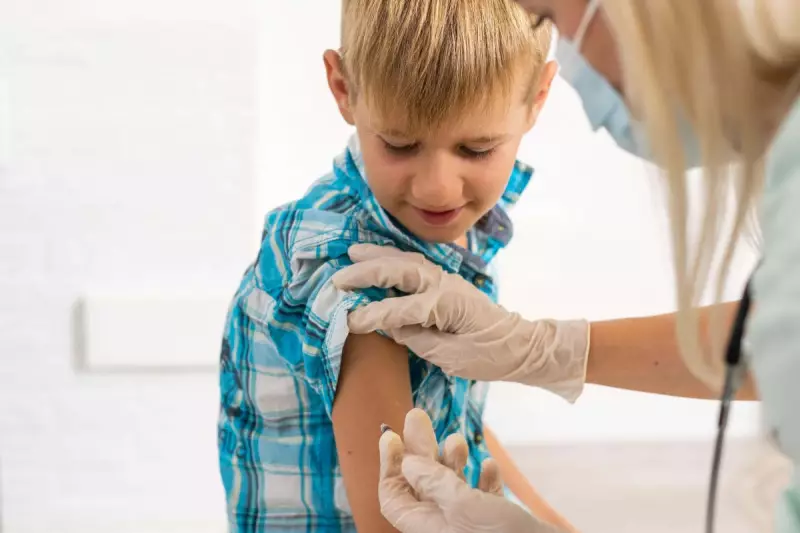
Global health authorities are sounding the alarm as measles outbreaks intensify across every region of the world, prompting renewed focus on symptoms, prevention and vaccine effectiveness. The World Health Organization recently warned that the United Kingdom is no longer considered to have "eliminated" measles, highlighting the urgent need for public awareness and vaccination.
Understanding the Measles Virus: A Highly Contagious Threat
Measles stands as one of the most contagious diseases known to affect humans, with each infected person capable of transmitting the virus to 12-18 others who lack immunity. The measles virus can survive in the air for up to two hours, meaning people can inhale infectious particles even after an infected individual has left a room.
This airborne transmission capability makes measles particularly dangerous in community settings. The virus predominantly affects children and individuals with compromised immune systems, with hospitalisation required for up to 40% of cases. Tragically, measles claims the lives of approximately three in every 1,000 infected individuals globally.

Recognising Measles Symptoms and Complications
The signs and symptoms of measles typically emerge 7-14 days after exposure to the virus. Key indicators include:
- A distinctive rash that usually begins on the face or neck before spreading to the hands and feet over three days
- High fever
- Runny nose
- Persistent cough
- Conjunctivitis (red, inflamed eyes)
Medical professionals note that the characteristic rash may be more difficult to identify on darker skin tones, requiring careful examination. Complications from measles infection are unfortunately common and can include:
- Ear infections
- Encephalitis (brain swelling)
- Vision problems including blindness
- Respiratory complications including pneumonia
Pregnant women face particular risks, with measles potentially causing preterm labour and stillbirth. Even after recovery, a rare but often fatal brain condition called subacute sclerosing panencephalitis can develop years later.
Measles Vaccination: Protection That Lasts a Lifetime
The measles vaccine represents one of modern medicine's most effective preventive tools. In the United Kingdom and Australia, measles vaccination typically occurs as part of the MMR (measles, mumps and rubella) combination vaccine, with some regions using the MMRV variant that includes chickenpox protection.
Vaccine Schedule and Effectiveness
Children normally receive their first measles vaccine at 12 months, followed by a second dose at 18 months. For infants at higher risk of exposure – such as those travelling to outbreak areas – vaccination can begin as early as six months, though they still require the standard two-dose schedule later.
The measles vaccine offers remarkable protection: after two doses, approximately 99% of recipients develop lifelong immunity. This protection extends beyond individual safety – vaccinated individuals cannot transmit the virus to others, creating crucial community protection.
Addressing Immunity Gaps in Adult Populations
Health authorities have identified particular concern for adults born between 1966 and 1994, as this age group may have received only one vaccine dose during childhood. Australia has observed breakthrough measles infections within this demographic, mirroring patterns that likely affect similar populations in the UK.
Medical professionals emphasise that additional measles vaccine doses can be safely administered to adults at any time, even if they have been vaccinated previously. General practitioners can check immunisation records or conduct immunity tests to determine individual needs.
Global Outbreak Context and Travel Risks
Measles outbreaks are currently occurring in every global region, with popular holiday destinations in Southeast Asia identified as particular risk areas. While Australia achieved local transmission elimination in 2014 and the UK previously held elimination status, both nations now face imported cases that have led to community transmission.

In Australia, 2025 has already seen 70 measles cases reported by May 1st – surpassing the totals for both 2023 (26 cases) and 2024 (57 cases). Most infections have been diagnosed in travellers returning from overseas, though concerningly, some cases now involve Australians who haven't travelled abroad, indicating renewed community transmission.
Differentiating Measles from Similar Illnesses
Measles is often confused with chickenpox, though important distinctions exist. While both diseases commonly affect children and feature rashes, they stem from different viruses and present differently:
- Measles rash typically begins on the face or neck before spreading downward
- Chickenpox rash usually starts on the chest or back as separate red bumps that evolve into fluid-filled blisters
Both diseases can cause serious complications, though measles demonstrates higher contagion rates and more severe potential outcomes.
Lifelong Immunity and Vaccine Safety Considerations
Individuals who contract measles develop lifelong immunity against future infection. However, measles infection can paradoxically weaken the immune system's ability to recognise previously encountered infections, leaving recovered individuals vulnerable to other diseases. Vaccination protects against this immune system compromise.
Important safety considerations include avoiding the measles vaccine for pregnant women and individuals with severely weakened immune systems, as it contains a live (though weakened) virus. This makes vaccination of healthy, eligible individuals particularly crucial to protect vulnerable populations through herd immunity.
As global measles outbreaks continue to escalate, public health experts urge individuals to verify their vaccination status, particularly before international travel, and consult healthcare providers about any concerns regarding measles immunity or vaccine requirements.