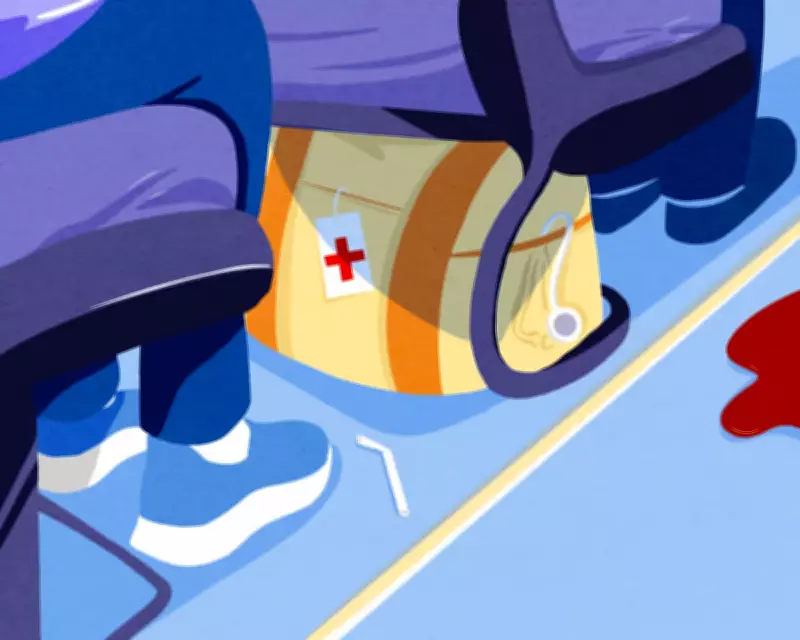
The Dreaded Call: Medical Professionals and In-Flight Emergencies
When an announcement echoes through an aircraft cabin asking, "Is there a doctor on board?" it triggers a moment of profound anxiety for medical professionals. This call, which occurs more frequently than many realise, plunges doctors, nurses, and other healthcare workers into high-stakes situations far removed from the controlled environments of hospitals or clinics. In-flight medical emergencies present unique challenges, from limited equipment and diagnostic tools to the psychological burden of providing care in a confined, public space at 30,000 feet.
Navigating Limited Resources and Legal Risks
Responding to a mid-air emergency often means improvising with whatever is available in the aircraft's basic medical kit, which typically includes items like bandages, painkillers, and a defibrillator, but lacks advanced medications or monitoring devices. Medical professionals must rely on their training and ingenuity to stabilise patients suffering from conditions ranging from heart attacks and strokes to severe allergic reactions or complications from pre-existing illnesses. Beyond the clinical hurdles, there is the looming fear of legal repercussions; while Good Samaritan laws in many countries offer some protection, the specifics vary by jurisdiction, and professionals worry about potential lawsuits if outcomes are adverse, despite their best efforts.
The Emotional and Psychological Toll on Responders
The emotional impact on those who answer the call cannot be overstated. Doctors report feelings of isolation and pressure, knowing that their decisions could be life-or-death without the support of a full medical team. The public nature of the event adds to the stress, with passengers watching intently and flight crews depending on their expertise. Post-flight, many responders experience lingering anxiety or guilt, particularly if the patient's condition deteriorates. This has led to calls for better support systems, including debriefing opportunities and clearer guidelines from airlines and medical associations to help professionals cope with the aftermath of such incidents.

Industry Responses and Future Preparedness
Airlines and aviation authorities are increasingly recognising the need to enhance preparedness for in-flight medical emergencies. Some carriers have implemented more comprehensive training for cabin crew, expanded medical kits, and established real-time telemedicine links with ground-based doctors. However, challenges remain, such as ensuring consistency across different airlines and international flights. Experts advocate for standardised protocols and improved data collection to better understand the frequency and nature of these emergencies, which could inform future policies and reduce the burden on volunteer responders.
In summary, the mid-air emergency call is a scenario that medical professionals dread, yet many feel compelled to answer out of duty. As air travel continues to grow, addressing the complexities of in-flight healthcare—from resource limitations to legal and emotional support—becomes ever more critical to safeguarding both passengers and the brave individuals who step up to help.