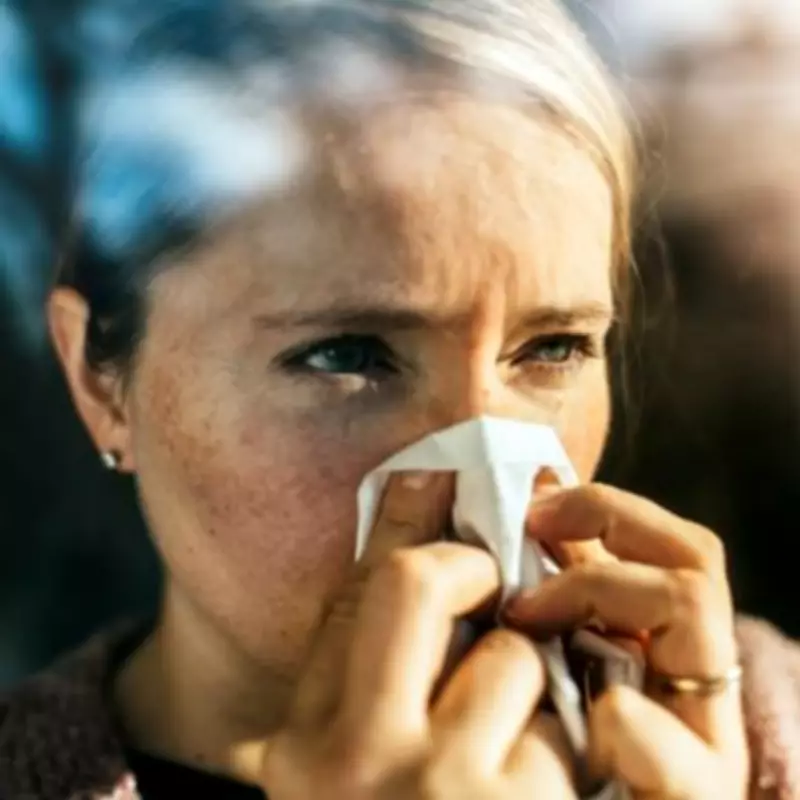
Health Experts Unanimous on Minimum Heating Temperature to Ward Off Winter Illness
With energy costs escalating each winter, many households face difficult choices about heating. However, medical authorities emphasize that maintaining adequate warmth isn't merely about comfort—it's a crucial health protection measure that can prevent serious illness during the coldest months.
The Science Behind Temperature and Health
Cold weather significantly impacts bodily functions, and keeping homes inadequately heated can directly contribute to illness development. According to NHS Inform, when temperatures drop, our cardiovascular system must work substantially harder to maintain core body temperature, resulting in increased blood pressure. Cold air additionally irritates lung tissue and can exacerbate joint discomfort.
Between seasonal influenza, norovirus, COVID-19 and common cold viruses, winter presents abundant opportunities for infection. While hand hygiene remains essential, environmental warmth plays an equally important role in illness prevention that many overlook.

The Universal 18°C Recommendation
What temperature threshold best protects against winter illnesses? Health organizations worldwide provide remarkably consistent guidance. The NHS, UK Health Security Agency (UKHSA) and World Health Organization (WHO) all identify 18°C as the minimum safe indoor temperature during colder seasons.
The WHO's Housing and Health Guidelines explicitly state: "Indoor housing temperatures should be high enough to protect residents from the harmful health effects of cold. For countries with temperate or colder climates, 18°C has been proposed as a safe and well-balanced indoor temperature to protect the health of general populations during cold seasons."
UKHSA's winter wellness guidance echoes this recommendation: "Our top tip is to heat the home, or the parts of it you're using, to at least 18°C. This is the temperature at which we start to see changes in the body, when the blood starts to thicken. So, temperatures above this are best to protect your health."
Higher Temperatures for Vulnerable Groups
Medical authorities stress that 18°C represents a baseline minimum, with higher temperatures necessary for vulnerable populations. NHS Inform identifies several groups at increased risk during cold weather:
- Individuals aged 65 or older
- People with underlying health conditions including cardiac, respiratory or mental health issues
- Children, particularly those under five years old
- Pregnant women
- Those who are housebound or have limited mobility
Public Health Wales recommends substantially higher temperatures for vulnerable households: "For those households with vulnerable people, the recommendations are 23°C in the living room and 18°C in other rooms achieved for 16 hours in a 24-hour period."
How Cold Environments Facilitate Illness
While cold temperatures themselves don't directly cause infections, they create conditions that significantly increase vulnerability. Research demonstrates that influenza and coronavirus pathogens survive longer in cold, dry environments, enhancing their transmission potential.
Manal Mohammed, Senior Lecturer in Medical Microbiology at the University of Westminster, explains: "Cold temperatures themselves do not cause infections. Instead, they influence a combination of biological, environmental and social factors that make people more vulnerable to respiratory illnesses, especially during the winter months."
Furthermore, cold exposure compromises the body's immune defenses. UKHSA notes: "Being cold also affects our body's ability to fight off infection. This is why in the weeks after the cold weather we see more deaths from infections like pneumonia, as lung conditions and coughs can develop into a more serious problem."
Maintaining adequate indoor heating therefore serves as both preventive measure and protective strategy, reducing viral survival rates while supporting immune function during peak illness seasons.