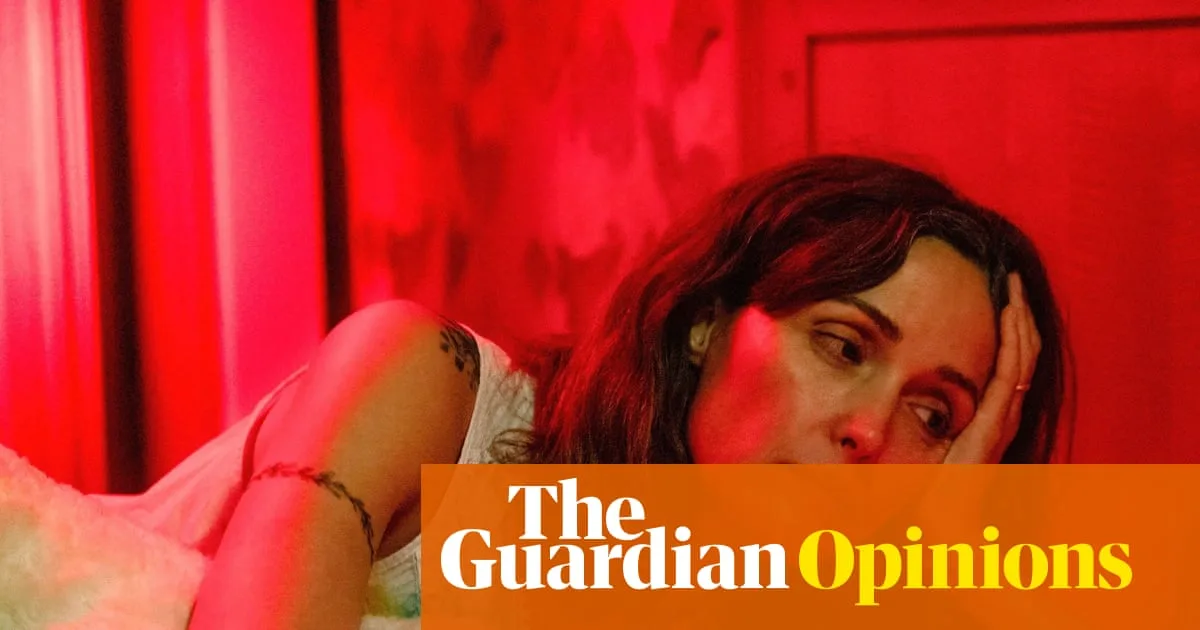
Polly Hudson, a Guardian columnist, has opened up about the harsh realities of early motherhood, inspired by the film If I Had Legs I'd Kick You, which has been praised for its raw portrayal of maternal struggles. Hudson recalls the overwhelming isolation and identity loss she experienced after bringing her baby home 11 years ago, feeling as though she had made a terrible mistake.
She describes the relentless monotony of feeding, changing, and rocking, which left her feeling like 'nothing' and 'a blank space where a person had once been'. The pressure to feel only joy, she says, made her believe she was a monster for not enjoying every moment, as society expects.
Hudson's turning point came when she confessed her 'deplorable secret' to a close friend, who responded with sympathy rather than shock. The friend admitted to having similar doubts about loving her baby enough, which brought Hudson immense relief. 'I breathed out for the first time in days. I was normal,' she writes.

This honesty allowed her to experience the full range of emotions, including ecstasy, and she argues that such openness is crucial for preparing women for the reality of motherhood. She notes that the film's star, Rose Byrne, has spoken about the grief of losing part of oneself after becoming a mother, a sentiment Hudson echoes.
Hudson concludes that motherhood is 'magical, horrendous, wonderful and terrifying, often all within 30 seconds', and that it is okay to feel ambivalent. She calls for more truthful conversations about parenthood to help women make informed choices.