MPs Urge Immediate Ban on Brazilian Butt Lifts in UK
A parliamentary committee has called for an urgent ban on Brazilian butt lifts in the United Kingdom, describing the cosmetic procedure industry as a "wild west" with minimal oversight. The Women and Equalities Committee (WEC) conducted a nine-month inquiry, revealing that high-risk treatments are being performed in unsafe locations like garden sheds, hotel rooms, and even public toilets due to a severe lack of regulation.
Findings of the Parliamentary Inquiry
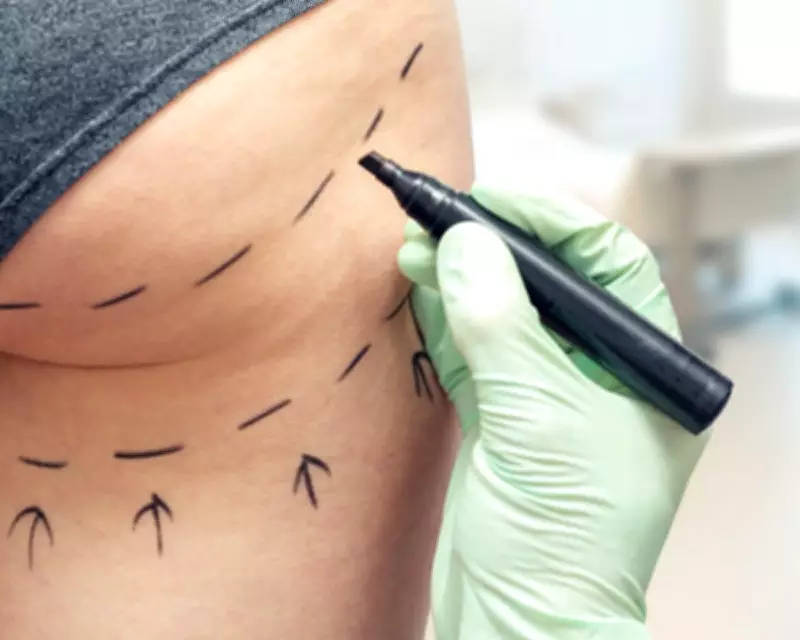
The committee's report highlights that non-surgical buttock augmentations, often referred to as Brazilian butt lifts (BBLs), should be outlawed immediately. These procedures have been linked to fatalities and serious health complications. MPs emphasized that individuals without formal training are currently allowed to perform potentially harmful interventions, putting the public at significant risk.
The inquiry found that ministers are not acting quickly enough to address these dangers, fostering complacency within the industry. The committee recommended that the government "accelerate regulatory action" to protect Britons from harm. Currently, there is no regulation governing who can perform non-surgical cosmetic procedures, including injectables like fillers or Botox, laser therapy, or chemical peels.

Case Studies Highlighting the Dangers
During the inquiry, distressing testimonies were shared, illustrating the severe consequences of unregulated procedures. Sasha Dean was admitted to intensive care with sepsis and hospitalized for five weeks after a BBL went wrong. In another tragic case, Alice Webb, a 33-year-old mother of five from Gloucestershire, died following a liquid BBL in September 2024.
MPs noted that social media and face-editing technologies are driving more people to seek cosmetic procedures, with influencers often "normalising" high-risk treatments. This trend exacerbates the risks in an already unregulated environment.
Recommendations for Regulatory Reform
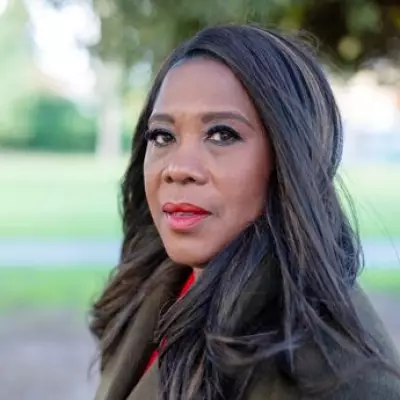
The WEC chair, Sarah Owen, stated that high-risk procedures such as liquid BBLs and liquid breast augmentations pose a serious threat to patient safety and should be banned without further consultation. She called for the introduction of a licensing system for lower-risk non-surgical cosmetic procedures within the current parliament.
"Regulation has not kept pace with the sector's expansion," Owen said. "Over a decade later, the only thing that has changed is the number of people suffering life-changing and life-threatening injuries." She criticized the government for not moving quickly enough to implement a licensing scheme, which would ensure only qualified professionals perform these interventions.
Government Response and Public Advice
The Department of Health and Social Care acknowledged the report, stating it would consider the findings and respond fully in due course. A spokesperson mentioned that the government is taking action to "crack down on cosmetic cowboys and root out dangerous treatments." New measures aim to restrict the highest-risk procedures to qualified healthcare professionals only.
The public is advised to check providers' qualifications and insurance before undergoing any cosmetic procedure and to avoid treatments that appear suspiciously cheap. This caution is crucial in an industry where unsafe practices are rampant, as highlighted by the committee's findings.