Mother's Leg Amputated After Cold Symptoms Turned Out to Be Flesh-Eating Disease
Mum Loses Leg to Flesh-Eating Disease After Cold

A mother's ordinary cold symptoms masked the terrifying onset of a rare flesh-eating disease, ultimately resulting in the loss of her leg and a profound life transformation. Friedel de Beer, 51, initially dismissed her fatigue and discomfort as a common winter bug, unaware that a deadly bacterial infection was rapidly spreading through her body.

From Common Cold to Critical Condition

In February 2023, Friedel, originally from South Africa but then residing in West Sussex, began feeling unwell with what she believed were typical cold symptoms. After taking painkillers with little improvement, she drove to join her husband, James Hope-Lang, 57, at their rental home near Lake Annecy in the French Alps during their son's school break.

The journey proved arduous, with Friedel needing to stop at every service station due to overwhelming fatigue. Once in France, she developed increasing pain in her calf muscle and noticed a reddened area on her ankle, though she didn't consider it serious at the time.

The Rapid Deterioration

The situation escalated dramatically when Friedel collapsed on her bathroom floor. The following day, the skin on her ankle transformed, becoming dark and covered in blood blisters. Her husband sent photographs to a doctor friend who immediately recognised the severity, urging them to seek hospital treatment without delay.

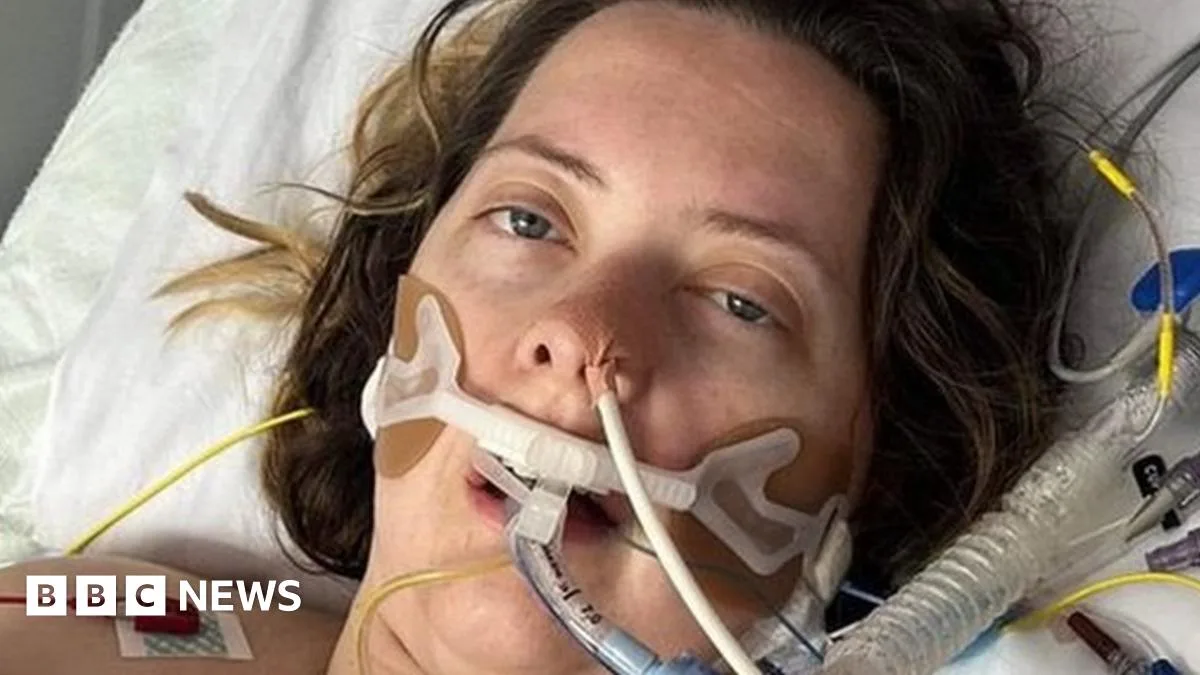
James rushed Friedel to hospital on February 12, where tests revealed she was suffering from something extremely serious. Medical staff took James aside, warning that his wife's condition was critical. She was transferred to another hospital for intensive care, with doctors stating they were "hours away from losing her".

Diagnosis and Emergency Treatment

A scan confirmed Friedel had contracted Strep A, which had mutated into necrotising fasciitis – the notorious flesh-eating disease. This rare, life-threatening infection causes rapid tissue destruction and requires immediate surgical intervention.

Upon arrival at the second hospital, Friedel was taken straight into emergency surgery. Doctors performed multiple procedures, making small incisions and testing tissue viability by checking for bleeding. "They worked their way up the leg, trying to find the point where the infection had got to and trying to cut it out," James explained. "But they said it can move centimetres an hour."

Medically Induced Coma and Multiple Surgeries

Friedel was placed in a medically induced coma for eight days beginning February 13, allowing surgeons to remove infected tissue daily. The procedures left one leg almost completely stripped of skin from foot to knee. "Between my foot and the top and back of my knee was just completely exposed, there was no skin at all," Friedel recalled.

When she awoke from the coma on February 21, a persistent fever indicated ongoing infection. Doctors explained that amputation below the knee was necessary to save her life. "I said I have no problem with that at all," Friedel remembered, "because I knew the state my leg was in and that I would really struggle to walk on it."

The Amputation Journey

The below-knee amputation occurred on February 24, 2023, but when fever persisted due to secondary infection, doctors performed an above-knee amputation on March 3. Following surgery, Friedel felt extremely weak and struggled with basic movements, but intensive physiotherapy helped her progress from bed to wheelchair by mid-March.

She took her first independent steps with a prosthetic in May 2023 and returned home full-time in July. However, ongoing issues with pressure wounds on her stump necessitated further adjustments. "I was only walking for 40 per cent of the time," Friedel explained, leading to a decision to remove an additional 4cm from her femur in February 2025 to improve prosthetic fit.

Learning to Live with Prosthetic

Friedel describes amputation as an ongoing process: "You can check out but can never leave – having an amputation is a bit like that. Your hospital becomes like a second home." She notes that prosthetic fitting requires constant adjustment for weight changes, socket comfort, and skin health.

Remarkably, Friedel has embraced her prosthetic limb, choosing to never cover it and encouraging questions, particularly from children. "I prefer to show it because it's such an amazing piece of equipment," she said. "I love kids because they're just so open, and just openly ask you questions. I always say to parents, please don't stop your child from asking."

Rebuilding an Active Life

Despite the challenges, Friedel has learned to swim and kayak with her prosthetic and enjoys these activities with her 11-year-old son, JJ. She acknowledges missing cycling and skiing but is fundraising for a prosthetic sports knee to expand her active possibilities.

The experience has fundamentally changed her perspective: "You feel you are very lucky that you survived and it does change your priorities in terms of what you feel is important in life, and living life and making the most of every opportunity." She acknowledges difficult days but emphasises resilience: "You just have to let it out and allow yourself to be sad, allow yourself to be angry, upset and then move on."

Symptoms Awareness

Necrotising fasciitis presents with initial symptoms including intense pain or numbness near wounds, swelling, and flu-like symptoms such as high temperature, headache and tiredness. Later signs may include vomiting, diarrhoea, confusion, and distinctive black, purple or grey blotches on the skin.

Friedel's story serves as a powerful reminder of how quickly common symptoms can escalate into life-threatening conditions, and the importance of seeking medical attention when symptoms seem disproportionate to their apparent cause.