Fresh Medical Evidence Challenges Lucy Letby Innocence Claims
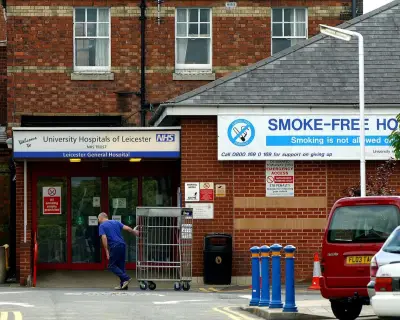
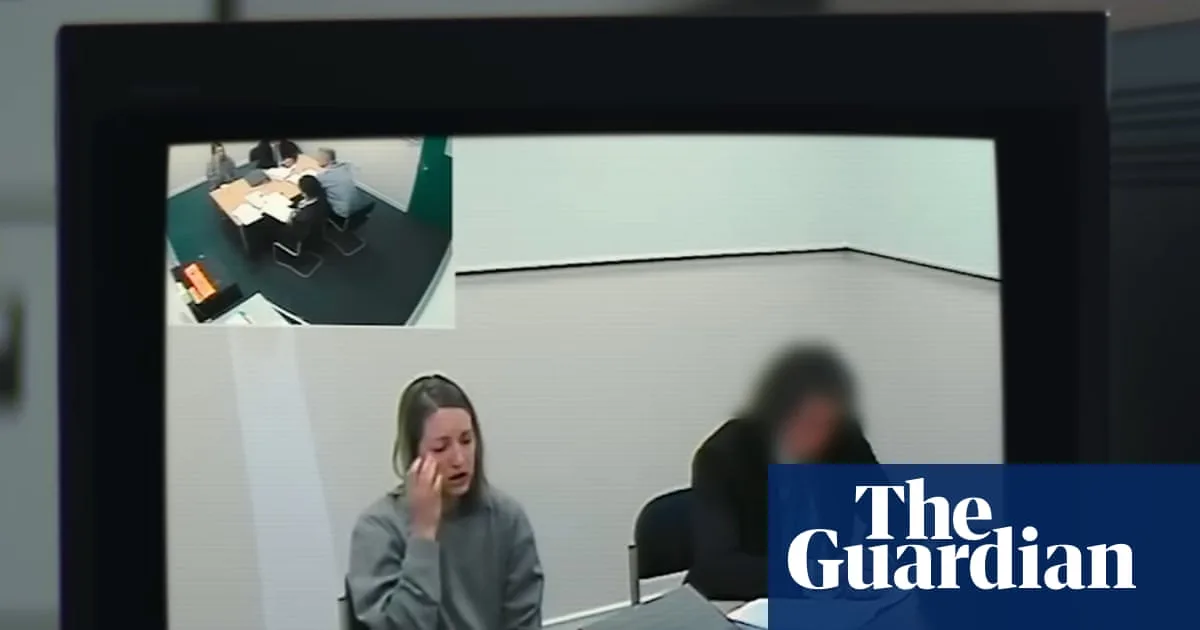
Newly published medical research has cast significant doubt on assertions made by an expert panel that convicted child killer Lucy Letby is innocent and a victim of miscarriage of justice, according to exclusive findings obtained by the Daily Mail.
Contested Medical Evidence
The legal team representing former neonatal nurse Lucy Letby has submitted reports from 26 medical professionals to the Criminal Cases Review Commission (CCRC), spearheaded by retired Canadian neonatologist Professor Shoo Lee. These submissions aim to secure Letby's release from prison.
During a press conference last year, Professor Lee announced that his panel of experts had concluded the medical evidence presented at Letby's trial was fundamentally flawed. He asserted that no murders had occurred at the Countess of Chester Hospital between June 2015 and June 2016, instead claiming the seven babies Letby was convicted of killing had died from natural causes or inadequate NHS care.
Professor Lee specifically argued that his research into air embolism - air bubbles in the bloodstream - had been misinterpreted by prosecution teams during Letby's trial. He maintained that Letby could not have injected infants with air because his comprehensive review of medical literature revealed no documented cases where venous air embolism (air in veins) caused the distinctive bright pink rash with bluish-purple skin discoloration observed on several deceased infants.
Emerging Contradictory Research
However, the Daily Mail can now reveal that recent research published by a Taiwanese neonatologist in October appears to directly contradict Professor Lee's assertions. This new study examines the case of a premature baby boy who developed a blotchy purple and pink rash associated with air entering venous circulation.
The report by Dr Shau Ru Ho of National Taiwan University Hospital includes compelling photographic evidence of skin discoloration and ultrasound video footage showing "ubiquitous bubbles in the blood vessels" of the infant's brain and inferior vena cava. Dr Ho concluded that "the diagnosis was systemic air embolism."
This paper has reportedly been submitted to the CCRC for consideration in Letby's ongoing case review. Furthermore, experts indicate that at least four additional papers on air embolism published between 1981 and the present day have been either overlooked or misinterpreted by Professor Lee's panel.
Expert Medical Disagreement
Professor Paul Clarke, an independent senior neonatologist not involved in Letby's trial, has challenged Professor Lee's conclusions. Working at Norfolk and Norwich University Hospitals NHS Trust and serving as honorary professor at the University of East Anglia Medical School, Professor Clarke asserts it is "entirely possible" for air injected into a baby's veins to reach arterial circulation.
This transfer could occur through either the foramen ovale (a natural opening between heart chambers) or the ductus arteriosus (a blood vessel connecting pulmonary artery and aorta), both present in newborns and typically closing naturally during development.
Professor Clarke stated: "In my opinion it is a false dichotomy to claim that venous air embolism could never cause the arterial air embolism skin manifestations, including the supposedly specific but rare so-called 'Lee sign'. The existence of cases in the literature is proof of this."
Documented Medical Cases
Professor Clarke referenced several documented cases that challenge Professor Lee's assertions:
- A 1981 American study describing immediate dark blue skin discoloration in a full-term baby after accidental venous air introduction
- A 2003 South African report noting an infant with "blue-black skin with blotchy red patches and extremely pale feet" from venous catheter complications
- A 1996 Israeli paper documenting flitting skin mottling in a baby with air accidentally introduced via intravenous line
- A 2007 Alabama study providing "incontrovertible evidence" that venous air can disperse into arterial systems
Professor Clarke criticized what he called "major omissions" in Professor Lee's literature reviews, stating: "Both these cases provide clear-as-day evidence that venous air embolism can rapidly become arterial air embolism and so cause rapid onset skin rash."
Statistical Anomalies and Professional Response
Professor Clarke emphasized the extreme rarity of air embolism cases in neonatal care, noting that during his thirty-year career he has encountered only one fatal incident. This context makes the cluster of deaths at Countess of Chester Hospital particularly significant.
"If three air-embolism deaths have occurred in such a short period of time in a single neonatal unit, that speaks for itself," Professor Clarke remarked regarding Babies A, D and E who died within three months in summer 2015.
In response to these challenges, Professor Lee told the Daily Mail: "The international expert panel of course welcomes scrutiny of our findings by those in the medical profession - however, respectfully, the interpretation of my paper in this instance is incorrect."
The emerging medical debate continues as the CCRC examines all submitted evidence in its review of Lucy Letby's convictions for murdering seven babies and attempting to kill seven others.