New Tool Predicts Need for Weight-Loss Jabs Before Obesity Develops
New Tool Predicts Need for Weight-Loss Jabs Before Obesity

A newly developed scientific tool could enable overweight individuals, not just those classified as obese, to be considered for weight-loss medication. This innovation aims to predict who is at high risk of developing serious obesity-related complications, such as cancer and type 2 diabetes.

How the Tool Works

Researchers from Queen Mary University of London and the Berlin Institute of Health collaborated to create this open-access risk-prediction tool, named Obscore. It is designed to complement traditional body mass index (BMI) scores by providing a more accurate and personalised method for identifying individuals at greater risk. The tool could lead to earlier monitoring, proactive interventions—including weight-loss jabs—and improved health outcomes.

Data and Methodology

The tool was developed using extensive data from 200,000 middle-aged adults participating in the UK Biobank study. Researchers analysed over 2,000 health factors, ranging from simple measures like age and sex to complex blood biomarkers. They focused on individuals with a BMI score of 27 and over, classifying them as overweight but not obese. This group was included because some overweight individuals may have excess body fat leading to significant metabolic complications.

Wide Pickt banner — collaborative shopping lists app for Telegram, phone mockup with grocery list

Using this data, the team built, fine-tuned, and validated a model. Their work, published in Nature Medicine, identified 20 commonly collected health measures that can predict 18 different obesity-related complications. Obscore performed well in predicting all 18 outcomes and was tested against data from other studies. It categorises people into low- and high-risk groups.

Key Findings

Researchers examined the BMI scores of those in the highest-risk group and found that a considerable proportion were living with overweight rather than obesity. Dr Kamil Demircan from Queen Mary University of London stated, "These constitute a population of individuals who may be overlooked if we only look at BMI and not other risk factors."

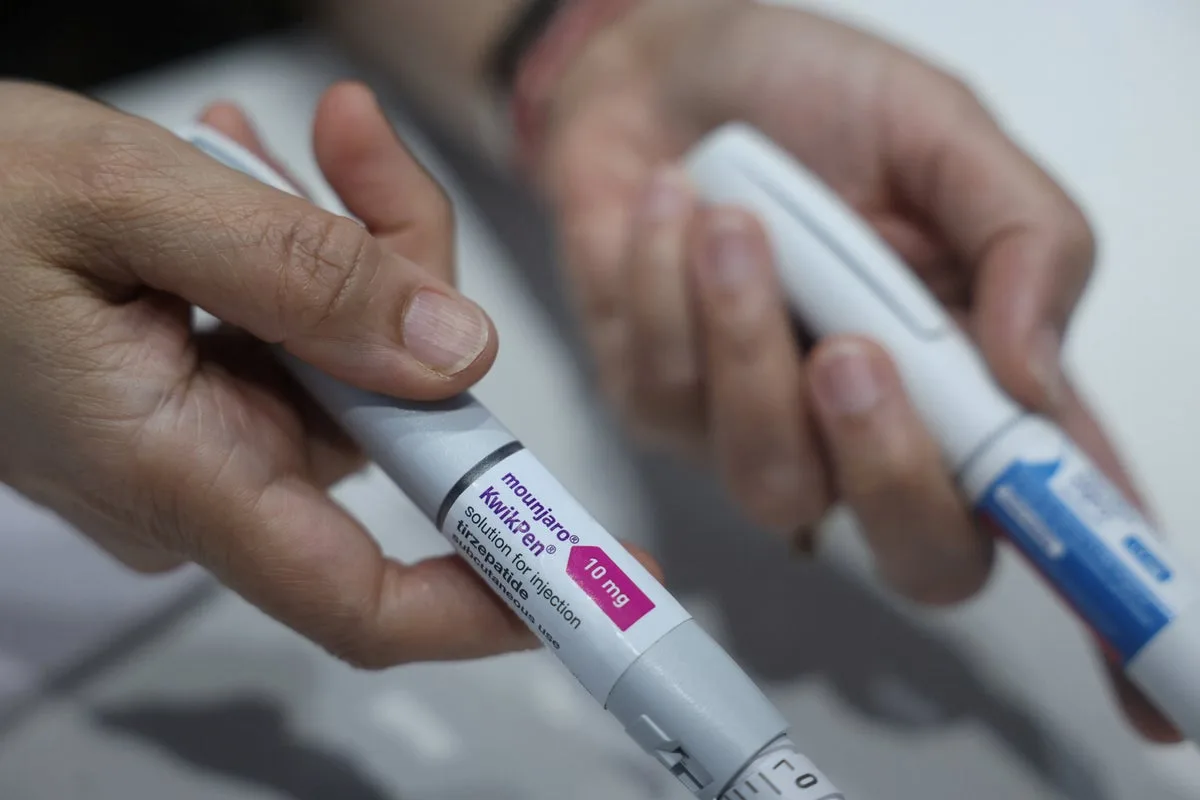
Co-author Professor Nick Wareham from the University of Cambridge noted, "For the first time in my clinical career, we actually have some efficacious therapies for obesity, but we are operating in the context of an NHS which has finite resources, so we need accurate and fair mechanisms for allocating those resources." He explained that current prescription thresholds for therapies like semaglutide are predominantly based on BMI, while tirzepatide considers BMI plus weight-related health problems. NHS England is starting conservatively, focusing on those at highest clinical need.

Next Steps

Professor Wareham added, "This is a step on a journey that we think we need to move on—about how we evolve decision-making for weight reduction therapies. I think what needs to happen next is to take this very helpful score and to incorporate it, as the team have done with evidence from trials to show that people are not only at risk, but estimate what their capacity to benefit is."

Lead author Professor Claudia Langenberg, director of Queen Mary University of London's Precision Healthcare University Research Institute, said, "With obesity affecting a growing proportion of the global population, preventing its long-term health complications has become a major challenge for healthcare systems. Our work shows how large-scale health data can be used to develop data-driven frameworks that identify individuals at higher risk of developing complications and may help support more risk-based approaches to manage obesity."

Pickt after-article banner — collaborative shopping lists app with family illustration