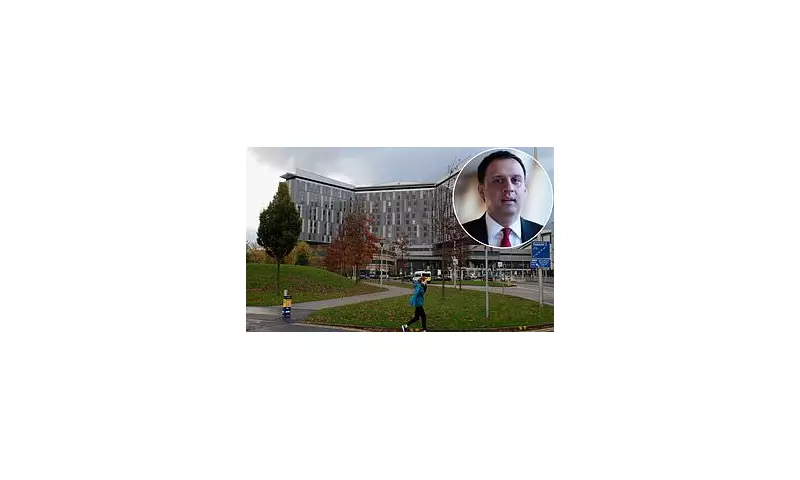
After years of denial and obstruction, health authorities have made a critical admission regarding one of Scotland's most devastating hospital scandals. NHS Greater Glasgow and Clyde (NHSGGC) has finally accepted that contaminated water at the flagship Queen Elizabeth University Hospital (QEUH) 'most likely' caused serious infections in child cancer patients. This concession, made in closing submissions to a public inquiry, validates the long and painful fight waged by bereaved families and silenced clinicians.
A Litany of Failures and a Culture of Cover-Up
The scandal at the QEUH represents a profound systemic failure. Since the hospital's opening, a series of serious problems emerged, including water safety concerns, environmental risks, and critical governance lapses. Immunocompromised children undergoing cancer treatment were exposed to deadly infections within the walls meant to heal them. Instead of focusing solely on their child's illness, families were forced to battle an unseen danger within the hospital.
Throughout this crisis, a pattern of denial and delay from those in authority exacerbated the trauma. Whistleblowers who raised alarms were 'gaslit', lied to, and punished for their honesty. NHS managers, funded by taxpayers, attacked and victimised staff, leading to job losses and personal targeting. The health board and Scottish Government ministers, notably former Deputy First Minister John Swinney, repeatedly closed ranks, downplayed concerns, and prioritised secrecy over patient safety.

Consequences and the Demand for Criminal Accountability
The human cost of this failure is immeasurable, exemplified by the death of ten-year-old Milly Main. NHSGGC is now a named suspect in a corporate homicide investigation related to patient deaths. There is a growing demand for SNP ministers who oversaw the cover-up to also face scrutiny for potential criminality.
For years, families have watched as no one has been held accountable. Senior board leaders from the time have moved on, escaping direct sanction. This lack of justice has fuelled calls for the public inquiry to be a catalyst for real change, not a shield for inaction. Scottish Labour has pledged to introduce 'Milly's Law', which would create an independent public advocate to support families and investigate incidents, rebalancing power between bereaved relatives and vast public institutions.
A Turning Point for Transparency?
This belated admission by the health board must mark a turning point. It exposes a toxic culture where speaking up was treated as betrayal and institutional reputation was valued above patient lives. The dedication of frontline NHS staff—nurses, doctors, and support teams—is not in question; they worked under immense pressure with compassion. The failure lies squarely with senior management and government oversight.
The public inquiry must run its full course, but it cannot be an endless delay tactic. Families have waited long enough for truth and accountability. This scandal must end the era of 'secret Scotland' and ensure that such a catastrophic breach of trust never happens again.