Health chiefs have made a dramatic U-turn, admitting for the first time that contaminated water at a flagship £1 billion Scottish hospital was linked to serious infections in vulnerable young cancer patients. The admission comes after six years of persistent denials from officials.
A Long-Denied Link Finally Admitted
NHS Greater Glasgow and Clyde (NHSGGC) has sensationally accepted that problems with the water system at the Queen Elizabeth University Hospital (QEUH) campus in Glasgow were connected to a spate of infections. In a statement to the ongoing Scottish Hospitals Inquiry, the board stated it was "more likely than not" that a proportion of infections in child cancer patients between 2016 and 2018 had a connection to the hospital water system.
The health board further conceded there was "a causal connection" between some patient infections and the hospital environment, specifically the water supply. This marks a stark reversal from its previous position, where it consistently denied any evidence of such a link.

The scandal, which has shocked the nation, involved at least 84 children falling ill with infections while being treated at the site. Tragically, two young cancer patients lost their lives in circumstances linked to the hospital environment.
Families' Anguish and a Fight for Truth
The belated admission has provoked anger and bittersweet relief among the families affected, who have fought for years to have their concerns heard. For six years, health bosses dismissed their claims, causing immense distress.
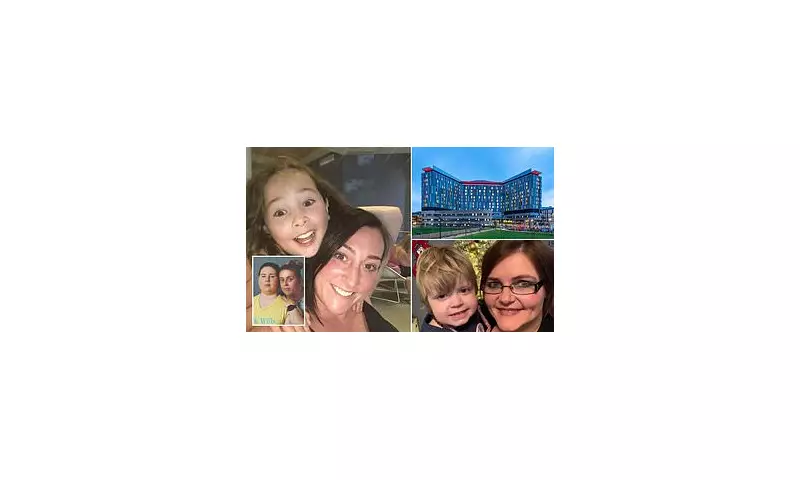
Kimberley Darroch, mother of 10-year-old Milly Main who died in 2017 after contracting an infection, said the acknowledgment was a "significant milestone." Milly, from Lanark, had been diagnosed with leukaemia in 2012. Her mother has always maintained the Stenotrophomonas bacteria that infected her treatment line came from the hospital's water.
"As a mother, I’ve spent six years fighting for answers that should have been given at the very beginning," Ms Darroch stated.
Charmaine Lacock, whose daughter Paige contracted several infections during cancer treatment at the age of three, described how the trauma persists. "Paige still says 'We don’t touch the water' as soon as we walk through that door," she revealed. Ms Lacock expressed fury that families were made to feel "attention-seeking and crazy" for questioning hospital safety.
Annemarie Kirkpatrick, whose daughter Stevie-Jo contracted a rare bacterial infection from the water in 2019, said the NHS had focused on "protecting themselves instead of ensuring my daughter’s safety." The infection left Stevie-Jo with permanent scars.
Whistleblowers Apology and Corporate Homicide Probe
In a further remarkable admission, NHSGGC apologised unreservedly for its poor treatment of three whistleblowing doctors—Dr Teresa Inkster, Dr Christine Peters, and Dr Penelope Redding. The doctors had raised concerns about infection risks as far back as 2015.
The board's statement acknowledged: "NHSGGC’s treatment of the whistleblowers fell far below the standard expected... The process has had a significant impact upon their wellbeing." Chief executive Jann Gardner has now invited the three women to meet her.
Despite the admissions on water contamination, the health board denies allegations of deliberately concealing information, a charge levelled by the inquiry's lawyers. NHSGGC remains a suspect in a corporate homicide investigation exploring the deaths of four people at the QEUH and the adjoining Royal Hospital for Children. The deceased include Milly Main, 73-year-old Gayle Armstrong, and two other children.
The Scottish Hospitals Inquiry, chaired by Lord Brodie, is due to hear closing statements this week. The probe, which began in 2020, has so far cost taxpayers £31 million. NHS chiefs have spent a further £78 million repairing the facility since it was opened by then-First Minister Nicola Sturgeon and Queen Elizabeth II in July 2015.

Patrick McGuire, a solicitor representing many of the families, said: "Finally after years of the most callous evasion and dishonesty... the health board have admitted to the failings." He demanded accountability and urged for the inquiry to be extended to ensure hospital safety.