NHS England to Enhance Bowel Cancer Test Accuracy, Saving Hundreds of Lives
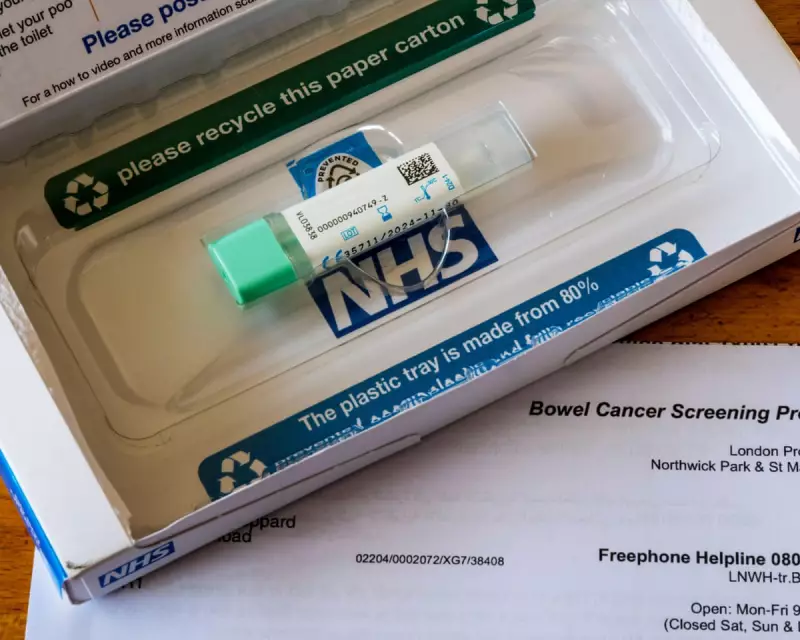
In a significant advancement for cancer care, NHS England is set to increase the accuracy of the primary test used to detect bowel cancer, a move expected to save hundreds of lives annually. The faecal immunochemical test, commonly known as the Fit test, identifies bowel cancer by detecting blood in a patient's stool, and its sensitivity will be heightened as part of a broader overhaul of cancer diagnosis and treatment protocols.
Lowering the Threshold for Early Detection
The key change involves reducing the threshold for the amount of blood detected in a stool sample that triggers further investigation. Currently set at 120 micrograms of blood per gram of stool, this will be lowered to 80 micrograms by 2028. This adjustment aligns England with the thresholds already in use in Scotland and Wales, ensuring a more consistent approach across the UK.
Professor Peter Johnson, NHS England's national clinical director for cancer, emphasised the importance of this update. "This is a major step forward in bowel cancer detection and will help save hundreds more lives from this devastating disease," he stated. "Testing at a lower level threshold will now provide a better early warning system for bowel cancer, helping us to spot and treat cancers earlier, often picking up problems before symptoms occur."

Impact on Diagnosis and Treatment
Bowel cancer is the second deadliest form of cancer in the UK, with approximately 44,100 new diagnoses and 17,400 deaths each year. Risk factors include consumption of processed meats, obesity, and alcohol intake, with Cancer Research UK estimating that over half of all cases are preventable.
The enhanced sensitivity of the Fit test is projected to lead to the detection of an additional 600 bowel cancer cases per year in England, representing an 11% increase on top of the 5,320 cases currently identified annually. This improvement is expected to reduce late-stage diagnoses and deaths from bowel cancer by around 6%.
Furthermore, the change will result in a 35% rise in colonoscopies, the diagnostic procedures offered to patients flagged as at risk by the Fit test. Early detection not only improves patient outcomes but also offers economic benefits, with NHS England estimating savings of £32 million per year from preventing and detecting more cases earlier.
Background and Implementation
The Fit test was integrated into the NHS bowel cancer screening programme in 2019. It operates as a home-based initiative, where eligible individuals receive a test kit by post, provide a small stool sample, and return it for laboratory analysis. In 2023-24, the NHS distributed kits to nearly 7 million people, with a 68% return rate that identified 5,320 cancers.
Recent expansions have broadened the age eligibility in England from 54-74 to include those aged 50-53, adding an extra 1.2 million people to the screening pool. This update will be formally outlined in the government's new national cancer plan, set to launch on 4 February, coinciding with World Cancer Day.
Support from Health Organisations
Genevieve Edwards, chief executive of Bowel Cancer UK, welcomed the lower threshold as "great news for people living in England" and highlighted it as a pivotal moment for bowel cancer screening in the country. However, concerns remain, as a recent report from the charity revealed that 25% of bowel cancer diagnoses still occur only after patients present at A&E with symptoms, underscoring the need for continued improvements in early detection efforts.