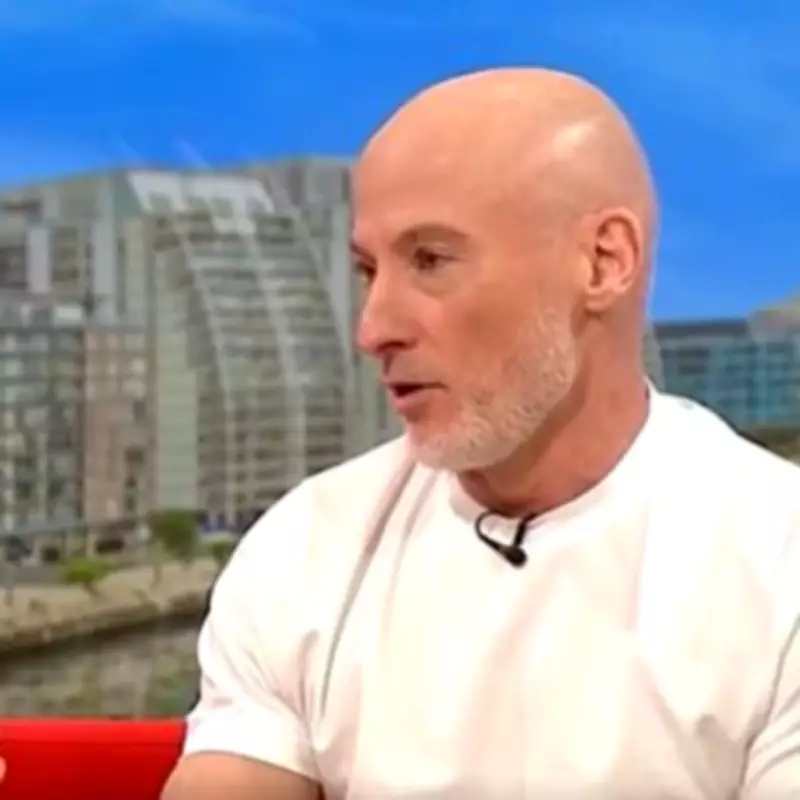
A personal trainer has revealed how a straightforward NHS bowel screening test, which he initially disregarded, ultimately saved his life by detecting early-stage bowel cancer. Ivan Corsby, who considered himself "fit and healthy," was living with the disease without realising it until he completed the free postal kit.
The Life-Saving Test That Almost Went Unused
Ivan Corsby, a 55-year-old personal trainer, received his NHS bowel screening kit on his 54th birthday. The test, known as a faecal immunochemical test (FIT), is automatically sent to individuals registered with a GP every two years, targeting those aged between 50 and 74. However, Ivan initially put the kit aside, believing his active lifestyle and fitness made it unnecessary.
He explained, "I'm a personal trainer in the gym. I thought, 'I'm fit and healthy, I’m exercising all the time.' I literally just chucked it on the side." This common misconception nearly cost him a crucial early diagnosis.

A Friend's Intervention Proved Critical
Months later, a conversation with a friend who works as a cancer nurse in the NHS changed everything. She urged him to take the test immediately, emphasising that fitness has no bearing on cancer risk. "She said, 'You idiot. That [your fitness] has no bearing on whether or not you can have cancer.' She said, 'Do the test tonight and message me when you’ve done it,'" Ivan recalled.
He followed her advice, collected a small poo sample as required, and posted it off for analysis. The results came back positive, prompting further medical investigations.
Early Detection Leads to Successful Treatment
Following the positive test result, Ivan underwent a colonoscopy, an MRI, and a CT scan, which confirmed he had bowel cancer. Fortunately, because the disease was caught early, he was able to undergo an anterior resection surgery to remove the affected area. This procedure was successful, and since the cancer had not spread, he did not require chemotherapy.
"So I had a couple of months off work and I'm back to 100 per cent now," Ivan shared, highlighting the positive outcome made possible by timely screening.
NHS Urges Public Not to Delay Screening
The NHS has been actively promoting the importance of bowel cancer screening through social media and public campaigns. In a recent post on X, the health service reminded people, "When you get your bowel screening kit, put it by the loo. Don’t put it off." They also shared Ivan's interview on BBC Breakfast to illustrate how the simple test can save lives.
Bowel cancer is the fourth most common cancer in the UK and the second most deadly, causing approximately 17,400 deaths annually. The FIT test works by detecting blood in a poo sample, which can be an early sign of bowel cancer, often before symptoms appear.
Understanding Bowel Cancer Symptoms
While screening is vital for early detection, being aware of symptoms is also crucial. The NHS lists several key signs of bowel cancer to watch for:
- Changes in your poo, such as having softer poo, diarrhoea, or constipation that is not usual for you
- Needing to poo more or less often than usual for you
- Blood in your poo, which may look red or black
- Bleeding from your bottom
- Often feeling like you need to poo, even if you've just been to the toilet
- Tummy pain
- A lump in your tummy
- Bloating
- Losing weight without trying
- Feeling very tired or short of breath – these are signs of anaemia, which can be caused by bowel cancer
If you experience any of these symptoms for three weeks or more, it is important to see your GP promptly.
Eligibility and Access to Screening
The NHS bowel screening programme sends out FIT kits automatically to eligible individuals based on their age. Depending on when you turned 50, you will receive your first test at either 50, 52, or 54 years old. If you believe you are eligible but have not been invited or received a kit, you can contact the bowel cancer screening helpline on 0800 707 6060.
This initiative underscores the NHS's commitment to preventive healthcare, aiming to reduce mortality rates through early intervention. Ivan's story serves as a powerful reminder that cancer does not discriminate based on fitness levels, and taking advantage of available screening can be life-saving.