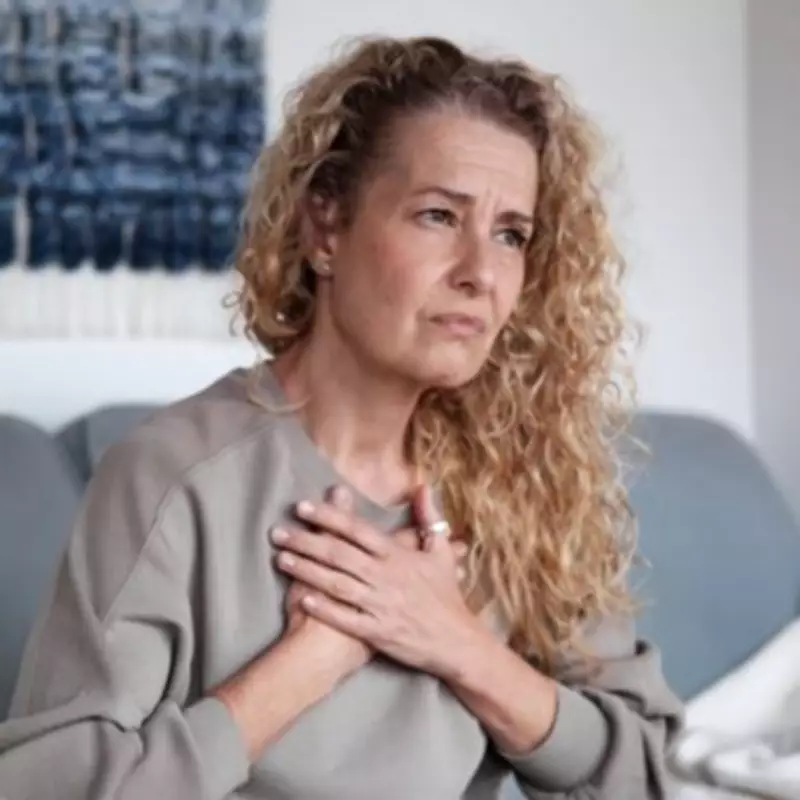
The National Health Service has issued an urgent public health warning, advising all Britons to immediately dial 999 if they experience two specific and dangerous symptoms in their chest. These critical signs could indicate that a blood clot has travelled to the lungs, a medical emergency known as a pulmonary embolism which requires instant treatment.
Understanding Blood Clots and Their Dangers
While blood clotting is a natural and essential bodily function that helps stop bleeding from injuries, clots that do not dissolve naturally can become extremely hazardous. They can obstruct blood flow to vital organs, leading to severe complications. The NHS explicitly states on its official website: "Blood clots can be very serious and need to be treated quickly." This underscores the importance of recognising early warning signs.
Recognising Deep Vein Thrombosis (DVT)
Often, a blood clot first develops in a vein deep within the leg or arm, a condition referred to as deep vein thrombosis. Key symptoms of DVT affecting the leg include:

- Throbbing or cramping pain in one leg, rarely both, typically in the calf or thigh, especially when walking or standing up
- Noticeable swelling in one leg, with both legs being affected only in rare cases
- Warm skin around the painful area
- Red or darkened skin around the painful area – this may be more difficult to detect on brown or black skin
- Swollen veins that feel hard or sore to the touch
The NHS further advises that these symptoms can also manifest in the arm or abdomen if that is where the blood clot is located. The situation becomes particularly perilous if a clot dislodges and travels to a crucial organ such as the brain or lungs.
The Critical Warning Signs Requiring Emergency Action
Consequently, the NHS strongly recommends contacting 999 or visiting an Accident and Emergency department without delay if symptoms of DVT, including pain and swelling, are accompanied by either breathlessness or chest pain. This combination could signal that you are suffering from a pulmonary embolism.
According to the NHS: "DVT can be very serious because blood clots can travel to your lungs. This is called a pulmonary embolism. A pulmonary embolism can be life-threatening and needs treatment straight away." Should you exhibit these warning signs, it is crucial not to attempt driving yourself to A&E. The NHS website explicitly advises: "Ask someone to drive you or call 999 and ask for an ambulance."
Risk Factors for Developing Blood Clots
Several factors can increase an individual's likelihood of developing a blood clot. You may be at heightened risk if you:
- Are aged over 60
- Carry excess weight
- Use tobacco products
- Have previously experienced DVT
- Use contraceptive pills or hormone replacement therapy
- Are living with cancer or heart failure
- Suffer from varicose veins
Certain circumstances can also elevate your chances of developing DVT. Your risk increases if you:
- Are currently hospitalised or have recently been discharged – particularly if your mobility is limited, such as following surgery
- Are restricted to bed rest
- Undertake extended travel exceeding three hours via aeroplane, car, or train
- Are expecting a child or have given birth within the past six weeks
- Are not adequately hydrated
Nevertheless, DVT can occasionally occur for no obvious reason. Fortunately, there are several preventative measures available to reduce your likelihood of experiencing a blood clot.
Preventative Measures and Treatment Options
Effective strategies to lower the risk of blood clots include:

- Maintaining a healthy body weight through balanced nutrition
- Keeping physically active – regular walking is particularly beneficial
- Ensuring adequate fluid intake to prevent dehydration, as DVT risk increases when dehydrated
- Avoiding prolonged periods of sitting – stand up and move about every hour or so
- Refraining from crossing your legs whilst seated
- Avoiding smoking entirely
- Limiting alcohol consumption to recommended guidelines
Should you receive a blood clot diagnosis, medical professionals may prescribe anticoagulant medication such as warfarin to thin the blood and prevent further clotting. In more severe cases, surgical intervention might be necessary to extract existing blood clots or implement measures to prevent their development. Early recognition and prompt action remain the cornerstone of managing this potentially fatal condition.