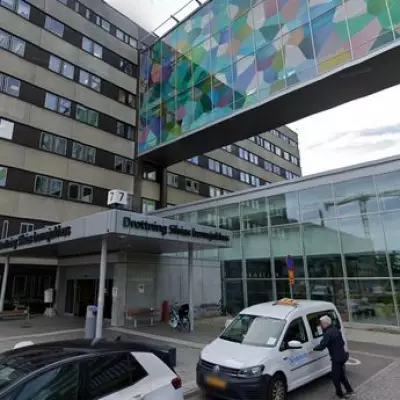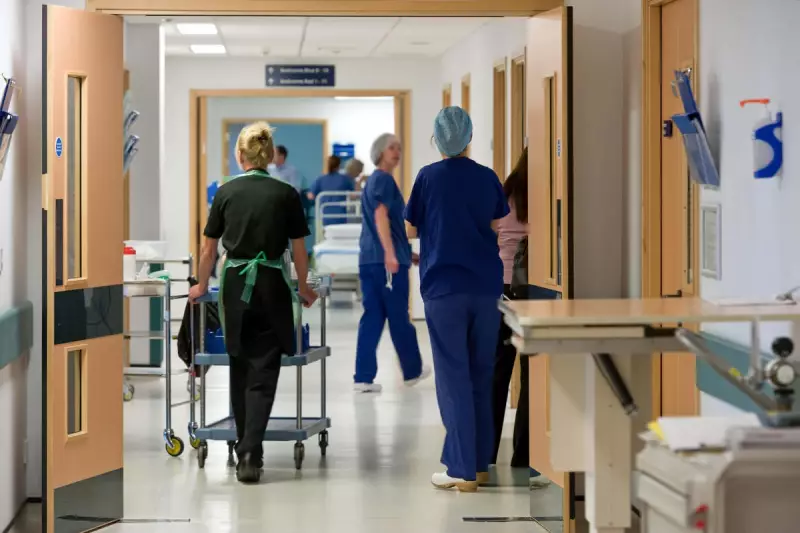
Four NHS hospital trusts in the South East of England have been forced to declare 'critical incidents' following a significant spike in patient admissions driven by seasonal viruses.
Surge in Admissions Triggers Alerts
The affected trusts, which include three in Surrey and one in Kent, cited a dangerous combination of increased A&E attendances, rising cases of flu and norovirus, and high levels of staff sickness. The declaration of a critical incident is a formal step taken by NHS organisations when they face extreme pressure that risks compromising patient care and safety.
This comes despite a recent slight dip in flu cases after a pre-Christmas peak. Health Secretary Wes Streeting cautioned that the health service is 'not out of the woods yet', highlighting the ongoing strain on resources. The situation underscores the fragile state of the NHS during the winter period.

Public Urged to Use Services Wisely
In response to the crisis, NHS Surrey Heartlands issued a direct plea to the public. They urged patients to use health services appropriately and to only attend A&E departments for genuine, life-threatening emergencies. This call is intended to help frontline staff manage the extreme pressures and prioritise the most critically ill patients.
While current hospital bed occupancy rates are reported to be slightly better than anticipated at around 92 per cent, healthcare experts have issued a stark warning. They state that operating under this level of sustained pressure is unsustainable for achieving optimal patient outcomes and places immense strain on medical staff.
A System Under Strain
The simultaneous spike in flu and norovirus cases, coupled with staff absences, creates a perfect storm for the NHS. Norovirus, known as the winter vomiting bug, is highly contagious and can lead to rapid outbreaks in hospital wards, sometimes forcing closures and further reducing capacity.
The incidents, declared on Tuesday 13 January 2026, serve as a clear indicator of the intense seasonal challenges facing the health service. The focus now is on managing the surge, protecting staff wellbeing, and ensuring that emergency care remains available for those who need it most.