Millions of individuals across the United Kingdom rely on sertraline, a widely prescribed antidepressant, to manage conditions such as depression, anxiety, and Obsessive-Compulsive Disorder (OCD). Recent data reveals that prescription numbers have surged, with over 24 million items dispensed in England alone during 2024, positioning sertraline alongside fluoxetine and citalopram as one of the nation's most common mental health medications.
How Sertraline Functions in the Body
Sertraline operates by enhancing levels of serotonin, a crucial neurotransmitter that helps regulate mood and emotional well-being. According to NHS guidance, when serotonin levels are maintained within a normal range, individuals often experience a greater sense of calm and happiness. The medication achieves this by inhibiting the reabsorption of serotonin, thereby allowing more of it to remain active within the brain's neural pathways.
Typically administered as a once-daily tablet, sertraline is deemed suitable for most adults. It is also prescribed for children over the age of six who are managing OCD, as well as for those over twelve grappling with severe depression, under strict medical supervision.

The Dangerous Interaction with Grapefruit
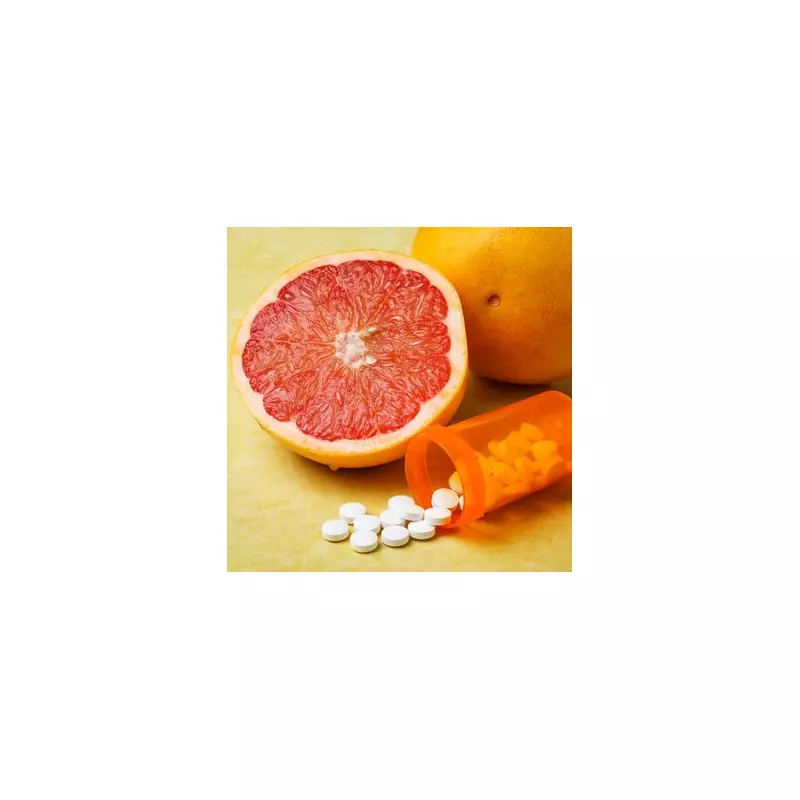
Health authorities have issued a stark warning regarding a seemingly harmless fruit that could pose significant risks to those on this medication. The NHS explicitly advises that grapefruit and its juice should never be consumed while taking sertraline, as they can elevate the concentration of the antidepressant in the bloodstream.
This interaction occurs because specific chemicals in grapefruit inhibit enzymes responsible for breaking down the medication. Consequently, sertraline levels may rise precipitously, heightening the likelihood and intensity of adverse side effects. Importantly, this effect can manifest rapidly, and since the body requires time to regenerate these enzymes, merely spacing out grapefruit consumption and medication intake is ineffective. Therefore, experts strongly recommend complete avoidance of grapefruit products.
Common Side Effects of Sertraline
An NHS spokesperson emphasised that, like all medicines, sertraline can induce side effects, though not everyone will experience them. While many side effects typically subside after a couple of weeks as the body adjusts, some may persist longer.
Commonly reported side effects include:
- Headaches
- Nausea and vomiting
- Dizziness or drowsiness
- Dry mouth
- Diarrhoea
- Sleep disturbances
- Sexual problems, such as diminished libido
- Weight gain
If an individual has inadvertently consumed grapefruit or its juice while on sertraline, it is crucial to consult a doctor or pharmacist promptly. In most instances, immediate cessation of grapefruit intake is advised, coupled with vigilant monitoring for any of the aforementioned symptoms.
Potential for Serious Adverse Reactions
Although rare, sertraline can sometimes trigger more severe side effects. These may encompass allergic reactions or a critical condition known as serotonin syndrome. Symptoms of serotonin syndrome can include a rapid heartbeat, excessive sweating, tremors, muscle twitching, and states of confusion or agitation, necessitating urgent medical attention.
Broader Implications for Medication Safety
Grapefruit is known to interact adversely with a variety of other medications beyond sertraline. This includes several antidepressants such as fluoxetine, fluvoxamine, paroxetine, and wellbutrin, among others. Additionally, individuals taking statins to manage cholesterol levels are similarly cautioned against grapefruit consumption.
Despite grapefruit's recognised health benefits, including its richness in vitamins and antioxidants, the risks associated with these drug interactions can significantly outweigh any advantages for those on affected prescriptions. Health professionals universally advise consulting with a doctor or pharmacist before initiating any new medication, particularly if there are concerns about potential dietary interactions.
This warning underscores the importance of medication awareness and the need for patients to maintain open dialogues with healthcare providers regarding all aspects of their treatment regimens.