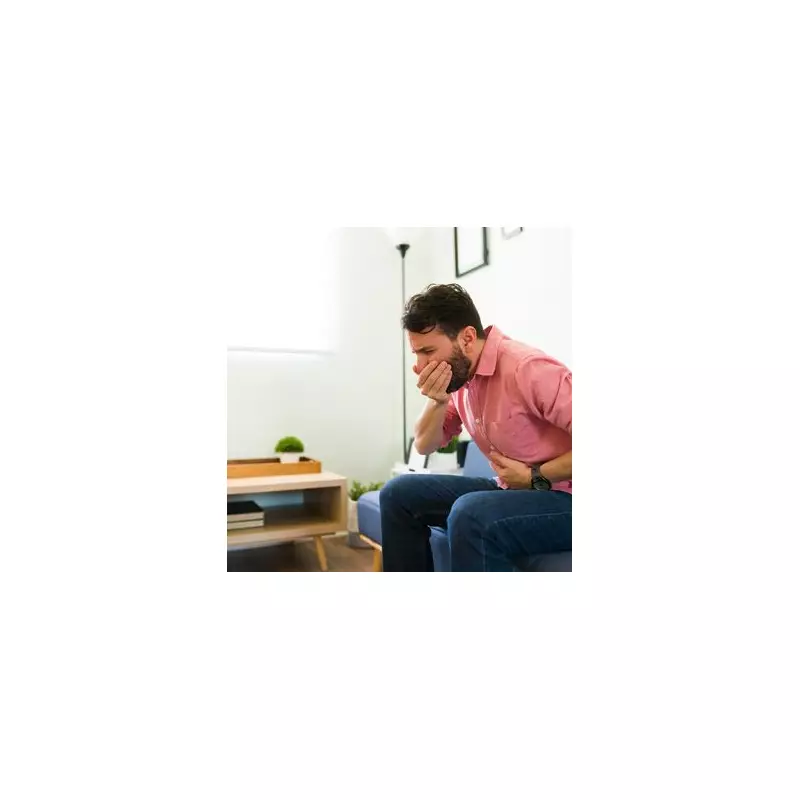
Health authorities across the United Kingdom are issuing urgent reminders about a fundamental recovery step for individuals battling the highly contagious norovirus, commonly known as the winter vomiting bug. With reported cases showing a significant uptick this January, medical experts are stressing that one specific action should be an absolute priority for anyone infected.
Rising Norovirus Activity Across the UK
Recent data from the UK Health Security Agency (UKHSA) indicates a concerning rise in norovirus activity in various regions. Laboratory reports reveal a substantial 47% increase in confirmed cases during the first fortnight of January compared to the latter part of December. While overall infection levels currently remain within expected seasonal parameters, this sharp rise has prompted renewed public health warnings.
The virus, which causes acute gastroenteritis leading to vomiting and diarrhoea, is described by officials as "unpleasant for everyone" and is currently circulating at elevated levels nationwide. Its highly infectious nature means it can spread rapidly through communities, particularly in settings like schools, workplaces, and care homes.

The NHS's "Most Important" Recovery Advice
According to comprehensive guidance published on the National Health Service website, the single most crucial measure for those suffering from norovirus is maintaining adequate fluid intake. "Diarrhoea and vomiting can usually be treated at home," states the NHS advice. "The most important thing is to have lots of fluids to avoid dehydration."
This emphasis on hydration stems from the rapid loss of fluids and essential electrolytes caused by the virus's primary symptoms. Medical professionals warn that failing to replace these lost fluids can lead to dangerous dehydration, which in severe cases may result in low blood pressure, kidney dysfunction, and other serious health complications.
Understanding the Risks of Dehydration
Dehydration represents the most significant danger associated with norovirus infection, particularly for vulnerable demographic groups. Elderly individuals, very young children, and those with pre-existing health conditions face heightened risks where fluid loss isn't promptly addressed.
In extreme circumstances, dehydration stemming from norovirus can prove fatal, making the NHS's hydration advice potentially life-saving for at-risk populations. Health authorities strongly recommend keeping water or diluted squash readily available and consuming small amounts frequently, especially if drinking larger quantities triggers nausea.
Comprehensive Home Treatment Guidance
Beyond prioritising hydration, the NHS provides additional recommendations for managing norovirus symptoms at home:
- Rest and isolation: Remaining at home for at least 48 hours after symptoms subside is crucial to prevent spreading the infection to others.
- Gradual nutrition: Eating simple foods when possible, while avoiding fatty, spicy, or rich dishes that might aggravate the stomach.
- Pain management: Using paracetamol to alleviate any associated discomfort or fever, following package instructions carefully.
- Hygiene practices: Maintaining rigorous handwashing and surface cleaning to protect household members from infection.
The UKHSA reinforces the 48-hour rule, advising that individuals should not return to work, school, or visit healthcare settings until two full days have passed without symptoms. Most people recover completely within a few days through these self-care measures, with hospital treatment rarely required for otherwise healthy adults.
As winter continues, public health messages consistently highlight that while norovirus is intensely unpleasant, proper home management focusing on fluid replacement can ensure most sufferers recover safely and completely without medical intervention.