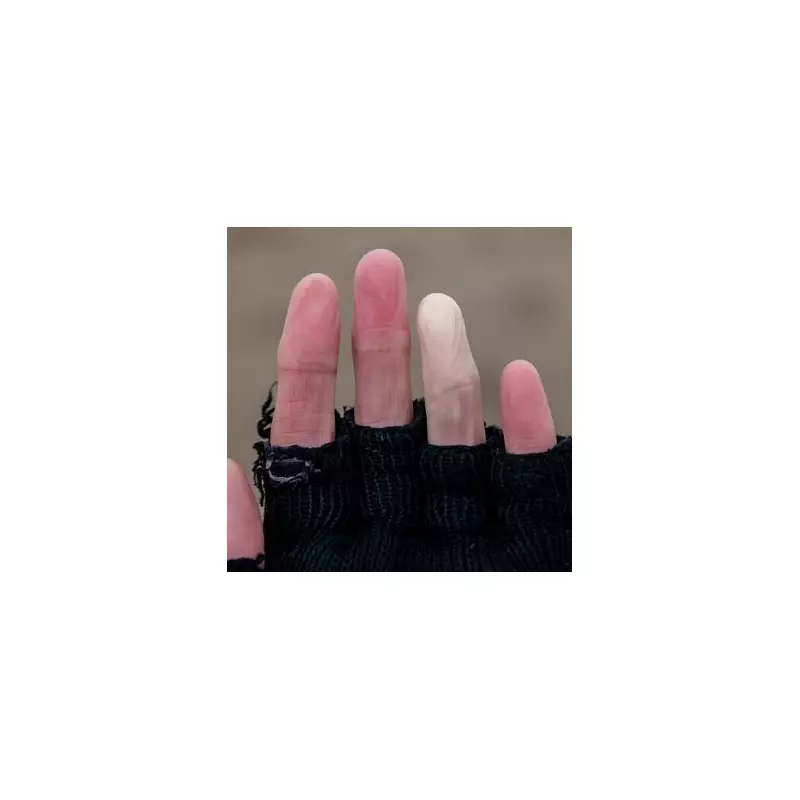
The National Health Service has issued a timely reminder about a common but often overlooked condition that can cause noticeable changes to your extremities in cold weather or during times of stress.
In a social media post, the health body highlighted Raynaud's phenomenon, a condition where blood flow to the fingers and toes is temporarily reduced. This can cause the skin to change colour, becoming paler or even blue, and lead to sensations of pain, numbness, and a 'pins and needles' tingling.
Understanding Raynaud's Phenomenon
Raynaud's is a common condition where the small blood vessels in the extremities overreact to cold temperatures or emotional stress. This causes the vessels to narrow, significantly reducing blood flow to the area. An attack can last from a few minutes to several hours.

While it most frequently affects fingers and toes, some people may also experience symptoms in their ears, nose, lips, and nipples. The NHS notes that while the symptoms are usually harmless, they can be uncomfortable and, in some cases, may indicate a more serious underlying health issue.
When to Seek Medical Advice
The NHS stresses that you should consult your GP in six specific situations. These include if your symptoms are severe or worsening, if Raynaud's is impacting your daily life, or if symptoms appear only on one side of your body.
Other red flags include experiencing Raynaud's alongside joint pain, skin rashes, or muscle weakness. Furthermore, you should seek advice if you are over 30 and experiencing symptoms for the first time, or if your child under the age of 12 is showing signs of the condition.
A GP may prescribe medication like nifedipine to improve circulation in severe cases, and they can arrange tests to rule out conditions like rheumatoid arthritis or lupus.
Managing Symptoms and Lifestyle Changes
For most people, managing Raynaud's involves simple lifestyle adjustments. Keeping warm with gloves, socks, and layered clothing is the first line of defence. Regular exercise helps boost overall circulation.
The NHS also advises that quitting smoking can significantly improve blood flow. Additionally, it may be helpful to reduce your intake of caffeine found in tea, coffee, cola, and chocolate, as it can trigger symptoms for some.
For more detailed information and support, you can visit the official NHS website. The charity SRUK also offers resources and support groups for those living with Raynaud's or scleroderma.