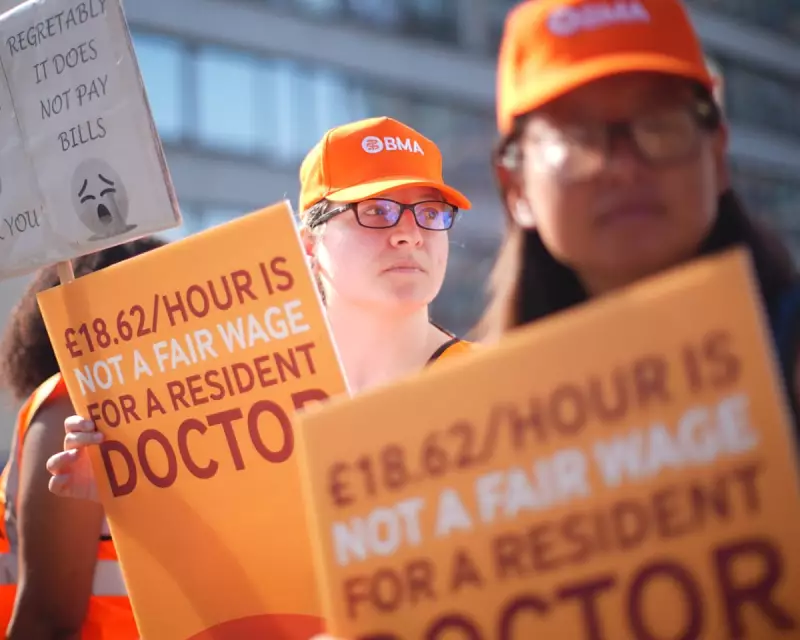
Junior doctors in England have walked out for a five-day strike, marking one of the most significant industrial actions in NHS history. The British Medical Association (BMA) reported a record turnout, with thousands of junior doctors joining picket lines across the country.
Why Are Junior Doctors Striking Again?
The dispute centres on pay restoration, with junior doctors demanding a 35% increase to compensate for years of below-inflation wage growth. The government has offered a 5% pay rise, which the BMA has rejected as insufficient.
Impact on NHS Services
NHS England has warned of significant disruption, with thousands of routine appointments and surgeries postponed. Emergency care remains prioritised, but patients are being urged to use services wisely during the strike period.

Government Response
Health Secretary Wes Streeting has called the strike "deeply disappointing," while Labour leader Keir Starmer has urged both sides to return to negotiations. The government maintains that the 35% demand is unaffordable.
What Happens Next?
With no resolution in sight, the BMA has not ruled out further industrial action. The strike comes at a critical time for the NHS, already struggling with record waiting lists and staff shortages.