Father Accuses NHS of 'Russian Roulette' After Baby's Preventable Home Birth Death
A grieving father has accused the NHS of playing 'Russian roulette' with the lives of mothers and babies following the preventable death of his newborn daughter during a botched home birth. Thomas Gillibrand, 34, spoke out after a coroner ruled that failings in care led to the tragic loss of his daughter, Pippa, who died aged just 12 days.
Catalogue of Failings in Home Birth Service
Cheshire Coroner’s Court heard how a series of systemic failures at Warrington and Halton Teaching Hospitals NHS Foundation Trust contributed to Pippa's death. The inquest revealed that staffing shortages over a Bank Holiday weekend meant there were not enough midwives on duty, and those who attended the couple's home were inexperienced, delivering an average of only three babies each per year.
The midwives failed to properly monitor Pippa's heart rate because they were distracted by staffing pressures and IT issues, which delayed calling an ambulance. By the time Mrs Gillibrand arrived at Warrington Hospital and Pippa was delivered via forceps, it was too late. She had been deprived of oxygen and succumbed to a severe brain injury.

Coroner's Verdict and National Warnings
Senior coroner for Cheshire, Victoria Davies, concluded that Pippa's death was avoidable and announced she would be writing to the Health Secretary to warn that a lack of national guidance on home births is putting babies' lives at risk. She highlighted that this tragedy occurred just over three months after another mother and baby died in a similar botched home birth in Prestwich, Greater Manchester.
Ms Davies expressed concern that despite previous warnings, no action had been taken to address the issue. She stated she would be writing again to the Department of Health and Social Care, NHS England, and the National Institute of Clinical Excellence (NICE) to urge the implementation of urgent guidance, warning that more deaths will occur without it.
Timeline of Missed Opportunities
The court heard a detailed account of the events leading to Pippa's death:
- Mrs Gillibrand went into labour in the early hours of August 25, 2024.
- At 5.30am, Mr Gillibrand contacted the labour ward but was told the home birth team was busy with another birth.
- No phone call was made to triage Mrs Gillibrand's care as promised.
- At 7.40am, Mr Gillibrand called again to say his wife's waters had broken; he was told a midwife would arrive within the hour but was not advised to go to hospital.
- Crucially, the couple were never informed that the Trust could only cope with one home birth at a time.
- Midwives arrived between 8.15am and 9.20am, but Pippa's heart rate was not monitored every five minutes as per guidelines due to distractions.
- By 9.36am, the heart rate could only be heard intermittently, and an ambulance was finally called at 10am.
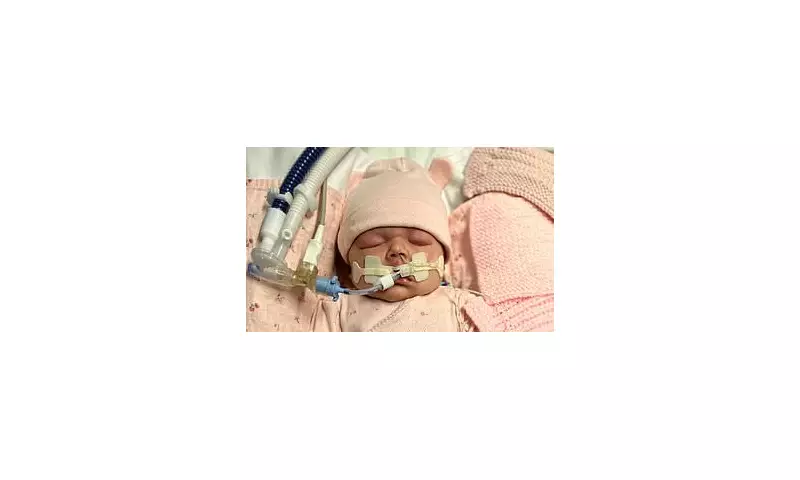
- Pippa was delivered in a very poor condition at 10.38am and died 12 days later from a brain injury caused by oxygen deprivation.
The coroner emphasised that the couple should have been advised to attend hospital at their first call and that a decision to transfer should have been made sooner when monitoring difficulties arose.
Family's Heartbreaking Testimony
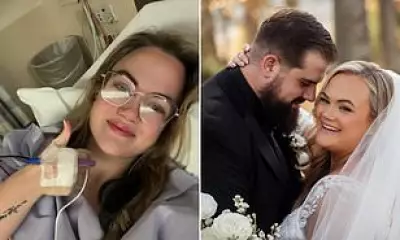
Speaking after the hearing, Mr Gillibrand, a pharmaceutical technician, said: 'The Trust seems to have played Russian roulette with the innocent lives of mothers and babies. Tragically, we are the family that took the bullet on that. Pippa's death was clearly preventable. It is vital for her legacy that she does not die in vain.'
His wife, Victoria, a public health practice manager, added: 'Baby loss is one of the worst things anybody could ever go through, but then to find out that that loss was preventable, that there's been failings and missed opportunities along the way, it’s just absolutely shattered our lives.'

The couple, who now have a four-month-old son, Rory, have been fundraising for Liverpool Women’s Hospital since Pippa's death. Mr Gillibrand shared: 'In the aftermath of Pippa, we weren't living, we were just existing. Rory will never replace Pippa, we will always miss her, but with our son we’ve started to feel the happiness that we never thought was possible again.'
Calls for Systemic Change
The coroner also highlighted the need for better data collection on home births to allow parents to make more informed choices about the risks compared to hospital deliveries. Mrs Gillibrand urged Health Secretary Wes Streeting to take action, stating: 'This is a national issue. The NHS needs to act on maternity care. Everybody is born and every family deserves a safe experience. Services have been underfunded and stretched for such a long time that we're now in a position where we've lost our daughter because of the cuts. Things need to change.'
Rebecca Cahill, a specialist clinical negligence lawyer representing the family, noted that the Trust has overhauled its home birth service since the tragedy, now advising expectant mothers to attend hospital if the home birth team is busy. She said: 'What is clear from today’s conclusion is that the family were failed from the start. If anything positive can be taken from this dreadful loss, it is that the Trust recognises the failings in care, and changes have already been implemented which, we hope, will ensure this does not happen to another baby and another family.'