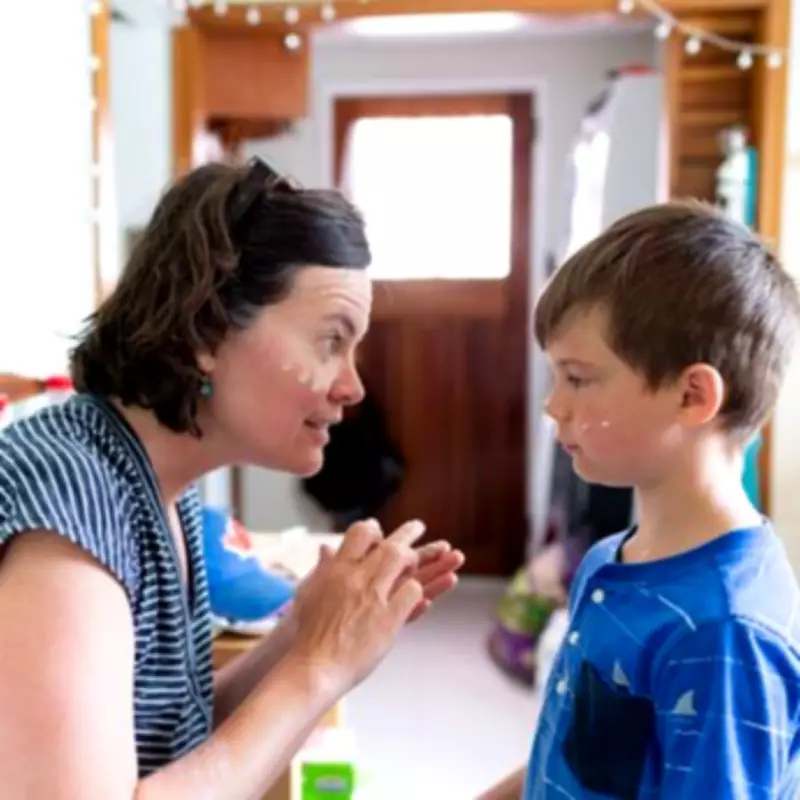
The National Health Service has issued a critical public health alert, urging all parents and guardians to strictly adhere to a specific daily 'rule' for the next eight months to protect young children from harmful ultraviolet radiation. This guidance, prominently featured on the NHS official website, comes into effect as the UK enters the spring season, with longer daylight hours and rising temperatures increasing sun exposure risks.
The Critical '11am to 3pm' Window
According to the NHS, the sun's rays are at their most intense and dangerous in the UK between the hours of 11am and 3pm from March through October. This eight-month period requires heightened vigilance, as the health authority explicitly advises families to "spend time in the shade when the sun is strongest." The Met Office confirms that meteorological spring begins on March 1st, with astronomical spring starting around March 20th, marking the transition to warmer weather and extended daylight that necessitates these protective measures.
Specific Protection for Vulnerable Children
The NHS emphasizes that children require extra care due to their significantly more sensitive skin. Repeated sun exposure during childhood can lead to skin cancer development later in life, making proactive protection essential. For babies under six months, the guidance is absolute: they should be kept out of direct strong sunlight entirely, as sunscreen is not recommended for this age group.

For all other children from March to October, the NHS recommends a comprehensive three-point approach:
- Cover up with suitable clothing that provides adequate sun protection
- Seek shade particularly between 11am and 3pm when UV radiation peaks
- Apply sunscreen with at least SPF30 to all exposed skin areas
The health service specifically notes that sunscreen should be applied to areas not covered by clothing, including the face, ears, feet, and backs of hands. For water activities, water-resistant sunscreen is essential, and immediate reapplication after swimming is crucial since water washes protective layers away.
Expert Support from Cancer Research UK
Cancer Research UK reinforces the NHS guidance, stating that sun safety is vital at all ages and requires a combination of protective measures. The charity emphasizes that sunscreen alone provides incomplete protection and must be used alongside shade, protective clothing, hats, and UV-blocking sunglasses.
The organization recommends using sunscreen with a minimum SPF 30 rating and a 4 or 5-star UVA protection rating, applied generously and regularly throughout sun exposure periods. They also highlight the importance of parental modeling, noting that children and teenagers often need reminders and examples to develop proper sun safety habits that can protect them throughout their lives.
This coordinated health messaging between the NHS and leading cancer charities underscores the serious, long-term consequences of inadequate sun protection during childhood. As spring progresses into summer, families across the UK are being called to implement these protective practices consistently to safeguard children's health now and prevent future skin cancer risks.