NHS Issues 'Red Flag' Warning on Grapefruit Juice for Atorvastatin Users
NHS Warning: Grapefruit Juice Risk with Atorvastatin

NHS Issues Critical Alert on Grapefruit Juice for Atorvastatin Patients

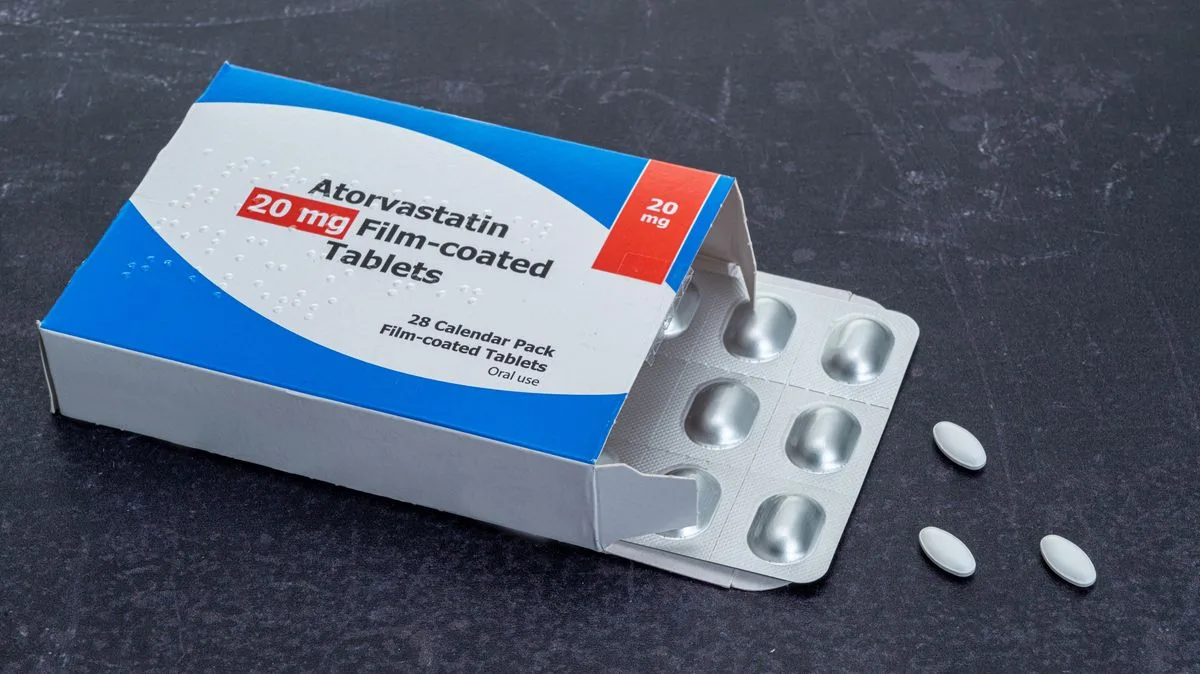
The National Health Service has issued a crucial 'red flag' warning for the millions of Britons prescribed atorvastatin, a widely used cholesterol-lowering medication. According to updated NHS guidance, consuming excessive amounts of grapefruit juice while taking this statin could lead to potentially dangerous health complications.

Understanding Atorvastatin and Its Medical Uses

Atorvastatin belongs to the statin family of drugs, which are primarily prescribed to reduce high cholesterol levels and prevent serious cardiovascular events. This prescription-only medication is commonly recommended for patients diagnosed with elevated cholesterol, those with a family history of heart disease, or individuals managing chronic conditions such as type 1 or type 2 diabetes and rheumatoid arthritis.

The medication is typically administered once daily in tablet form, with chewable options available for patients who experience swallowing difficulties. In the United Kingdom, five statin varieties are available through prescription:

Wide Pickt banner — collaborative shopping lists app for Telegram, phone mockup with grocery list
  • Atorvastatin (marketed as Lipitor)
  • Fluvastatin (Lescol)
  • Pravastatin (Lipostat)
  • Rosuvastatin (Crestor)
  • Simvastatin (Zocor)

The Grapefruit Juice Hazard Explained

The NHS specifically cautions against consuming more than one litre of grapefruit juice daily while taking atorvastatin. "It's best not to have too much grapefruit juice when taking atorvastatin," states the official guidance. "Too much of it can increase the level of atorvastatin in your blood. This can increase the risk of side effects." Some healthcare providers may recommend complete avoidance or strictly limited consumption.

This warning stems from grapefruit's unique chemical composition. The fruit contains compounds called furanocoumarins that inhibit the CYP3A4 enzyme in the intestines responsible for breaking down atorvastatin. When this metabolic process is disrupted, significantly higher concentrations of the medication enter the bloodstream, effectively creating an overdose scenario that amplifies the risk of severe adverse reactions.

Potential Side Effects and Complications

Common side effects of atorvastatin include nausea, indigestion, headaches, nosebleeds, sore throat, constipation, flatulence, and diarrhoea. However, the elevated medication levels caused by excessive grapefruit juice consumption can trigger more serious complications:

  1. Unexplained muscle pain, tenderness, weakness, or cramps
  2. Yellowing of the eyes (jaundice)
  3. Severe skin rashes with pink or red blotches
  4. Intense abdominal pain
  5. Shortness of breath
  6. Double vision
  7. Rhabdomyolysis (severe muscle breakdown)
  8. Kidney damage

Patients experiencing any suspected side effects should report them through the Yellow Card safety scheme, the UK's system for monitoring medication safety. The NHS emphasizes the importance of carefully reviewing the information leaflet included with all prescription medications.

British Heart Foundation Recommendations

The British Heart Foundation provides specific guidance regarding grapefruit consumption with different statins. Their official statement clarifies: "Do not eat or drink grapefruit if you're taking simvastatin. If you take atorvastatin, you can have grapefruit and grapefruit juice, but have it only occasionally and not a large quantity." For other statin types, grapefruit is generally not considered problematic.

Medical experts note that while regular, substantial grapefruit consumption poses significant risks, occasional small servings might be acceptable for some atorvastatin patients, though complete avoidance represents the safest approach. Similar concerns may apply to related citrus fruits including Seville oranges, limes, and pomelos, though research on these is less extensive than for grapefruit.

This NHS warning highlights the critical importance of medication awareness and dietary considerations for the millions of Britons managing cholesterol through pharmaceutical intervention. Patients are advised to consult their healthcare providers regarding specific dietary restrictions and medication management strategies.

Pickt after-article banner — collaborative shopping lists app with family illustration