The NHS in England is facing a stark winter picture, with ambulance handover delays reaching their highest level of the season, even as the overall waiting list for routine hospital treatment shows a significant drop. The latest weekly and monthly data from NHS England, published on Thursday 15 January 2026, paints a mixed portrait of a health service under intense pressure.
Waiting Lists and Long Waits Show Improvement
In a positive development, the backlog for routine hospital care has shrunk. At the end of November 2025, an estimated 7.31 million treatments were queued for 6.17 million patients. This marks a decrease from October and is the lowest total since February 2023, when the figure was 7.22 million. The list had previously peaked at a record 7.77 million treatments in September 2023.
The number of people enduring extremely long waits has also fallen. Those waiting more than a year to start treatment stood at 156,483 in November, the smallest number since September 2020. Furthermore, patients waiting over 18 months dropped to around 1,500. The government and NHS England aim to reduce waits of more than a year to under 1% by March 2026.

Winter Pressures Intensify in A&E and Ambulance Services
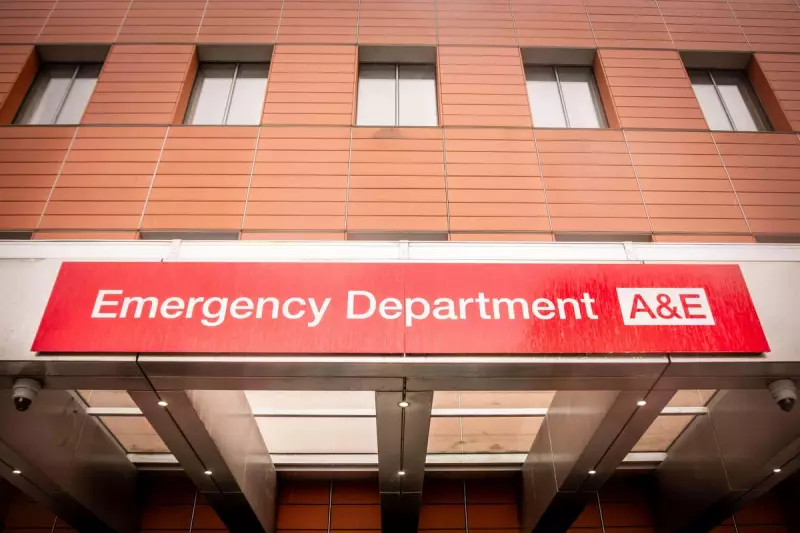
Despite progress on planned care, emergency services are struggling. In December, 50,775 people waited over 12 hours in A&E from the decision to admit them to actually being admitted, a slight rise from November. The proportion of patients seen within four hours also fell to 73.8%, against a target of 78% by March 2026.
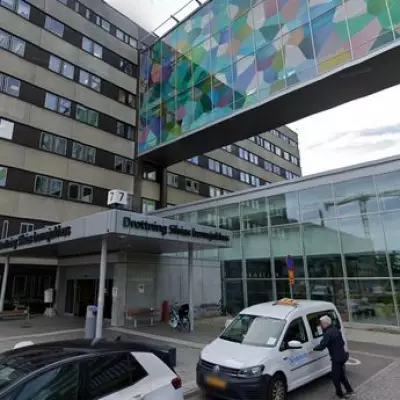
The most acute pressure is on ambulance services. Last week, 37% of patients arriving by ambulance waited at least 30 minutes to be handed over to A&E teams, the highest rate this winter. Alarmingly, 15% (13,683 patients) experienced handover delays of over an hour. Response times for the most critical calls averaged 7 minutes and 59 seconds in December, still above the 7-minute target.
Cancer, Flu, and Norovirus Trends
Performance on cancer referrals saw a marginal improvement. In November, 76.5% of patients urgently referred for suspected cancer were diagnosed or given the all-clear within 28 days, exceeding the 75% target. However, a stark gap remains: while 78% of those ruled out for cancer were informed within 28 days, only 55.1% with a confirmed diagnosis received it within the same timeframe.
The seasonal flu situation appears to be stabilising. The daily average of flu patients in hospital fell to 2,725 in the week to 11 January, down from 2,924 the previous week. This is notably lower than last winter's peak of 5,408. Conversely, norovirus is surging, with 567 hospital beds occupied daily by affected patients last week, a 57% weekly jump and the highest figure this winter.
The data underscores the NHS's dual challenge: making inroads on the vast elective care backlog while managing severe seasonal pressures that continue to strain emergency and ambulance services to their limits.