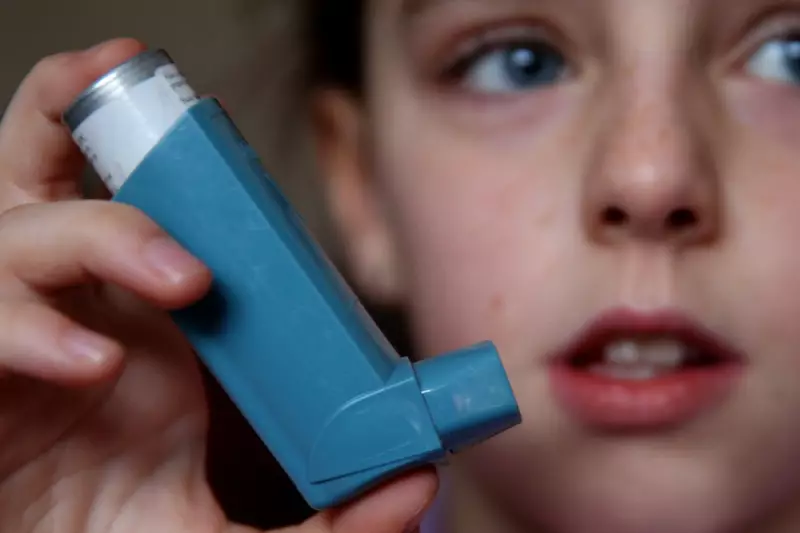
The NHS spending watchdog has issued new draft guidance recommending the use of eight specific smartphone applications to help millions of asthma patients across the UK manage their condition more effectively.
Digital Tools to Empower Patients
The National Institute for Health and Care Excellence (NICE) suggests that these digital platforms, which can be downloaded to phones and tablets, have the potential to significantly improve asthma control. Evidence reviewed by NICE indicates the technologies could slash the risk of hospital visits and help patients use their medication more effectively.
Each app provides users with personalised advice on how to respond when symptoms change, sends reminders to take inhalers, and includes trackers for medication use. Crucially, they can also share information directly with a patient's GP, making appointments more efficient by providing up-to-date data.

Dr Anastasia Chalkidou, healthtech programme director at NICE, stated: "Our independent committee has rigorously assessed the evidence for these digital technologies and concluded they show real promise in helping people better manage their asthma." She emphasised that the recommendation aims to get "transformational care into the hands of patients and healthcare professionals faster" while ensuring value for the NHS.
Addressing Care Inequalities
The guidance proposes that the eight apps be used within the health service for an initial period of three years, while further evidence on their long-term benefits is collected. It is stressed that these tools are not intended to replace regular reviews with healthcare professionals, but to supplement them and help patients manage their condition with greater confidence.
The recommended platforms are: Asthmahub, Asthmahub for parents, AsthmaTuner, Digital Health Passport, Luscii, myAsthma, RDMP (Respiratory Disease Management Platform), and Smart Asthma. Some are designed for adults, while others are targeted at children and young people, with versions available for parents or carers.
Dr Chalkidou highlighted a key potential benefit: tackling stark health inequalities. "We know that people from deprived areas are three times more likely to have asthma and experience worse outcomes," she said. "These technologies could help address that by offering personalised support in a format that works for more people."
Support and Caution from Health Charities
Dr Andy Whittamore, clinical lead at Asthma + Lung UK, welcomed the exploration of digital support but issued a note of caution. "Apps and online tools, such as a digital personalised asthma action plan, can provide more accessible ways for people to monitor symptoms and empower them," he said.
However, he warned that these tools must not become a replacement for effective basic asthma care and that their introduction must not create new inequalities. "Currently, only three in 10 people with asthma in the UK receive appropriate basic care, and asthma deaths are among the highest in Europe," Dr Whittamore added, stressing that more fundamental work is needed alongside technological innovation.
The draft guidance is now open for public consultation until 26 January 2026. If finalised, it could mark a significant step in integrating digital health tools into routine asthma care for the 5.4 million people in the UK receiving treatment for the condition.