Millions of people across the globe depend on sleep aids to secure their nightly rest, but emerging scientific evidence suggests that widely used noise machines might be causing more damage than benefit. While the steady hum of pink noise has become a popular method to mask disruptive background sounds and encourage slumber, a groundbreaking study indicates this approach can have counterproductive effects on sleep architecture.
Research Uncovers Detrimental Impact on Sleep Cycles
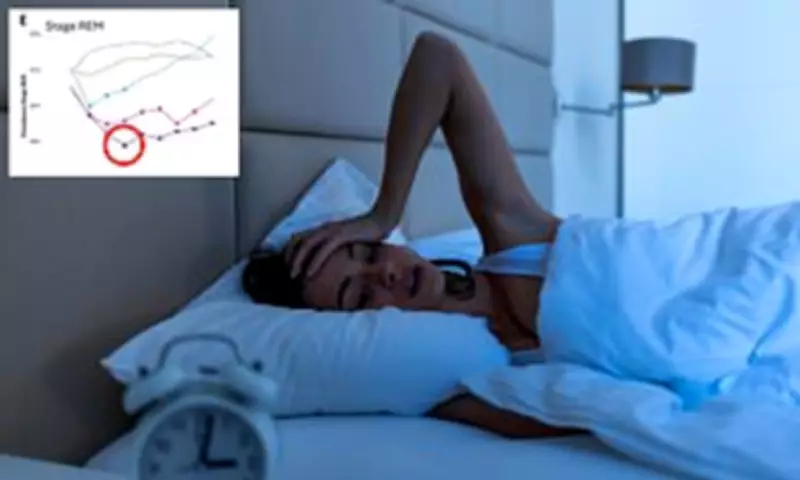
Sleep scientists from the University of Pennsylvania's Perelman School of Medicine have discovered that healthy adults listening to pink noise—a deep, consistent sound resembling rainfall or a waterfall—experienced a significant reduction in vital sleep phases. Their research found participants lost approximately 19 minutes of crucial REM sleep when exposed to pink noise during their rest period.
Pink noise, similar to the more familiar white noise, falls into the category of broadband noise. This type of sound is characterised by continuous, uniform signals that span a broad spectrum of audible frequencies, creating a static-like auditory environment.

Subjective Reports Match Objective Data
Among the 25 adult participants aged 21 to 41 in the study, most reported feeling their sleep was lighter, more frequently interrupted, and of generally poorer quality following nights with pink noise exposure. When researchers combined pink noise with simulated aircraft noise, participants identified this combination as the most disruptive condition of all tested scenarios.
The scale of noise machine usage is substantial, with over 16 percent of Americans—approximately 53 million people—relying on these devices to fall asleep each night. Streaming platforms reflect this trend, with Spotify alone streaming three million hours of white noise daily, while top YouTube noise videos accumulate more than 700 million views.
Why Disrupted Sleep Matters Profoundly
Interference with deep sleep—the phase where the brain clears toxins and consolidates memories—along with disruption to REM sleep, the dreaming stage, carries serious health implications. Scientific evidence links such sleep disturbances to increased rates of depression, anxiety, physical injuries, accidents, Parkinson's disease, and diminished productivity.
Previous research from the same University of Pennsylvania team found that exposure to aircraft noise alone costs healthy adults roughly 20 minutes of essential REM and deep sleep nightly. The current study builds upon this understanding by examining how intentional noise interventions interact with environmental noise pollution.
Methodology and Findings
The sleep study, published in the journal Sleep, involved participants sleeping in a laboratory environment for eight hours per night across seven consecutive nights. None were regular users of sound machines or suffered from diagnosed sleep disorders.
Researchers tested sleep under multiple conditions:
- Exposure to aircraft noise alone
- Exposure to pink noise alone
- A combination of aircraft and pink noise
- Aircraft noise while wearing earplugs
Each morning, participants completed comprehensive tests and surveys measuring sleep quality, daytime alertness, and health effects.
When exposed solely to aircraft noise, people reported their sleep felt lighter and more fragmented, rating overall sleep quality worse than during quiet nights. Pink noise alone similarly generated reports of diminished sleep quality. Notably, participants judged the combination of aircraft and pink noise as the worst condition, reporting significantly lighter sleep, more frequent awakenings, and the lowest overall quality ratings.
Earplugs Emerge as Effective Alternative
In contrast, nights with aircraft noise while using earplugs were perceived much more positively. Participants reported that earplugs effectively muffled disruptive sounds, making their sleep feel deeper, less interrupted, and nearly comparable to a quiet, restful night without background noise.

These subjective experiences found strong support in objective laboratory data. Exposure to aircraft noise alone reduced deep, restorative sleep by approximately 23 minutes nightly. While pink noise didn't significantly impact deep sleep, it detrimentally affected dreaming REM sleep, reducing it by nearly 19 minutes.
The combined condition of aircraft noise and pink noise proved particularly harmful, significantly reducing both deep and REM sleep while increasing time awake by 15 minutes.
Protective Measures and Expert Caution
Wearing earplugs demonstrated high effectiveness at protecting against noise disruption. This approach largely prevented the loss of deep sleep caused by aircraft noise, establishing it as the most reliable method for safeguarding sleep against disruptive noise pollution.
Study lead author and sleep expert Dr. Mathias Basner commented: 'Overall, our results caution against the use of broadband noise, especially for newborns and toddlers, and indicate that we need more research in vulnerable populations, on long-term use, on the different colors of broadband noise, and on safe broadband noise levels in relation to sleep.'
Broader Health Implications of Compromised Sleep
Poor sleep directly undermines physical health by weakening immune system function and elevating risks for heart disease, diabetes, and obesity. During deep sleep, the brain clears toxins associated with neurodegenerative diseases like Alzheimer's, meaning loss of this stage disrupts a vital restorative process.
Mentally, inadequate sleep impairs cognitive function, harming memory, focus, and judgment while destabilising emotional regulation. This heightens vulnerability to stress, anxiety, and depression.
When environmental factors like noise disrupt sleep, the harm compounds if intended solutions backfire. This creates a concerning scenario where individuals seeking relief may unknowingly deprive themselves of the sleep stages most essential for brain restoration and long-term health, potentially transforming a common coping strategy into a contributor to serious health problems.