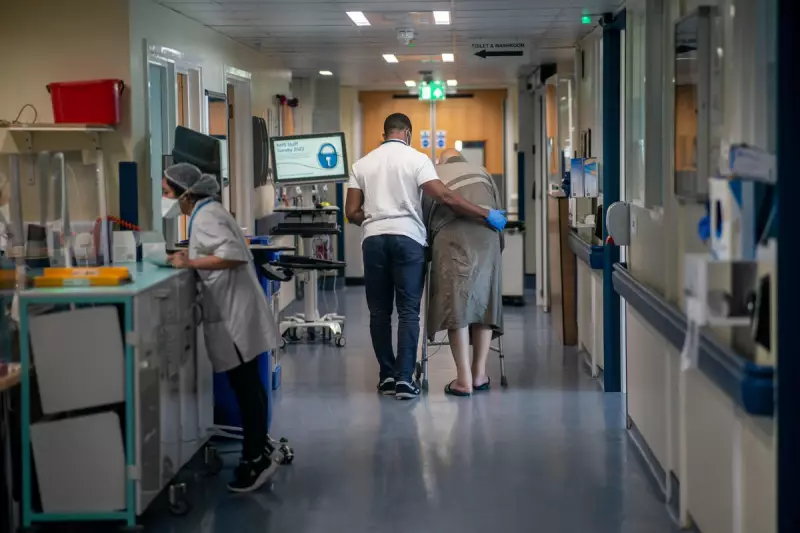
The number of patients hospitalised with norovirus in England has surged dramatically, with official figures showing a 45% week-on-week increase to reach the highest level recorded this winter. This concerning spike in cases of the highly contagious vomiting and diarrhoea bug comes as the NHS continues to grapple with significant seasonal pressures and capacity challenges.
Sharp Rise in Norovirus Occupancy
According to the latest NHS statistics, an average of 823 hospital beds were occupied each day last week by patients suffering from diarrhoea, vomiting, or norovirus-like symptoms. This represents a substantial jump from the previous week's average of 567 patients and exceeds the comparable figure from last year, which stood at 784 patients during the same period.
The Press Association's analysis of NHS data reveals that these 823 norovirus patients were concentrated across just one-third of hospital trusts in England, indicating significant regional variation in the outbreak's impact.

Regional Hotspots Identified
Hull University Teaching Hospitals reported the highest number of norovirus patients at 105, followed closely by Hampshire Hospitals and Somerset with 78 cases each. Wirral University Teaching Hospital recorded 50 patients with the virus.
Interestingly, the majority of hospital trusts in England (66%) reported no norovirus patients in the latest figures, while 34% did record cases. Among those affected trusts, approximately half – representing 23 individual trusts – reported fewer than 10 cases.
Flu Admissions Show Decline
In contrast to the norovirus surge, influenza hospitalisations in England have fallen for the second consecutive week. During the week ending January 18, an average of 2,519 flu patients occupied hospital beds daily, representing an 8% decrease from the previous week's figure of 2,725 patients.
Discharge Delays Reach Winter Peak
Compounding the pressure on hospital capacity, delayed discharges have reached their highest level so far this winter. Last week, an average of 13,683 beds were occupied by patients deemed medically fit for discharge, up from 13,445 the previous week.
NHS England reported that more general and acute hospital beds were occupied in the week ending January 18 (94.5%) than at any point during mid-January since 2020, highlighting the intense strain on the healthcare system.
Health Secretary Addresses NHS Challenges
Health Secretary Wes Streeting, speaking to local BBC radio stations, acknowledged the significant pressures facing the NHS while emphasising his commitment to accelerating improvements. "Turning around the NHS is a bit like turning a tanker," he remarked, acknowledging the scale of the challenge.
Streeting highlighted several persistent issues, including late diagnoses, delayed hospital discharges affecting bed availability, corridor care, and broader winter pressures. He expressed particular concern about patients being treated on trolleys in corridors, stating that while care remained safe, such conditions could not be considered dignified.
"The NHS was in such a state when we inherited it, and it does take time to deal with the legacy issues," Streeting noted, referencing hospital waiting lists, staffing capacity challenges, and deteriorating infrastructure.
Ambulance Performance Shows Improvement
The latest data indicates some positive developments in ambulance response times. The proportion of patients experiencing long waits in ambulances outside hospitals before being handed over to A&E teams has shown a slight decrease.
Last week, 33% of patients arriving by ambulance waited at least 30 minutes to be handed over, down from 37% the previous week – which had been the highest figure recorded this winter. Similarly, ambulance handovers delayed by more than an hour decreased to 12% (affecting 11,183 patients) from 15% the previous week.
Medical Director's Assessment
NHS national medical director Professor Meghana Pandit commented on the situation, noting: "A rise in this vomiting virus is leaving hospitals under pressure. Norovirus cases didn't peak until February last winter, so we're monitoring closely for further increases ahead of another predicted cold snap this weekend."

Despite the challenges, Professor Pandit highlighted that waiting times for patients were shorter than in previous winters, attributing this improvement to "the incredible hard work of NHS staff and the early and detailed preparation and planning they did ahead of winter this year."
She urged the public to continue seeking care when needed while emphasising preventive measures such as frequent hand washing to help control the spread of norovirus.