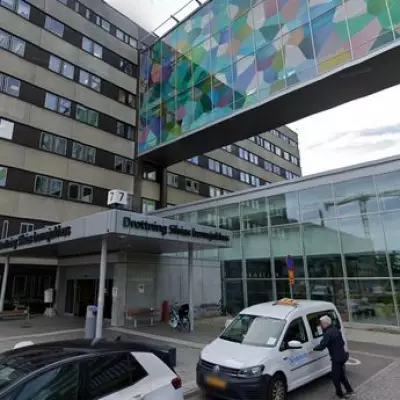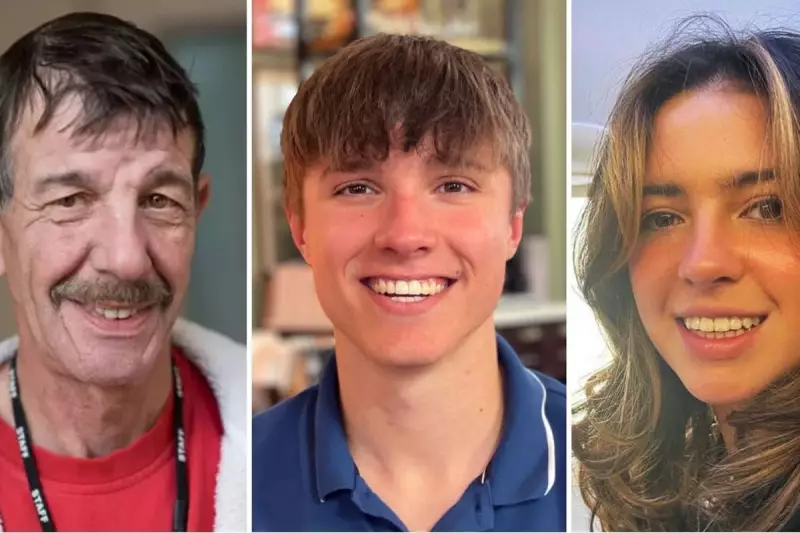
The families of three people murdered in Nottingham have expressed a "real fear" that further tragedies are inevitable, after a critical report found the NHS trust that treated their killer is "not safe".
Damning Report on Mental Health Services
Following the publication of a Care Quality Commission (CQC) inspection report on Wednesday, relatives of Barnaby Webber, Grace O’Malley-Kumar, and Ian Coates called for Nottinghamshire Healthcare NHS Foundation Trust to be placed into special measures immediately. The report criticised the trust's mental health services, which treated Valdo Calocane from May 2020 to September 2022, for not always providing "humane, dignified or high quality care" to patients.
Calocane, who was diagnosed with paranoid schizophrenia, fatally stabbed 19-year-old students Barnaby Webber and Grace O’Malley-Kumar, and 65-year-old school caretaker Ian Coates in Nottingham last June. He also attempted to kill three other people during the attacks.

Systemic Failures and Enforcement Action
The CQC carried out 39 inspections at the trust between May 2024 and August 2025, before a trust-wide review of its leadership was conducted last September. The regulator found the trust had breached regulations concerning how it was managed and required it to submit an action plan.
In a statement, the CQC said: “Due to the level and nature of risks identified, we have taken enforcement action and asked the trust to make significant improvements and to work collaboratively with key stakeholders in the wider healthcare system to support significant improvement.”
Of the trust's 18 services, seven were rated as 'requires improvement', including five core mental health services.
Families' Plea for Urgent Intervention
In a powerful joint statement, the families of the victims said the report confirmed their long-held fears. “This trust is not safe and should be placed into special measures immediately,” they stated. “Families have lost all confidence that this trust will learn on its own. If it is allowed to continue unchanged, there is a real fear that further harm and further disasters are inevitable.”
They emphasised that the situation was no longer about improvement plans but about urgent intervention, accountability at the highest level, and protecting lives.
Greg Almond, a solicitor representing attack survivors Wayne Birkett and Sharon Miller, echoed these concerns. He highlighted that despite intense scrutiny following the June attacks, “significant and glaring problems” remain in Nottinghamshire’s mental health provision. For the survivors, he said, this is a deeply worrying assessment that leaves them fearing nothing has been done to prevent a reoccurrence.
Ifti Majid, chief executive of Nottinghamshire Healthcare, responded: “We accept the CQC’s findings and recognise where improvement is needed. We have already made significant improvements since the CQC’s last inspection but fully appreciate there is still more to do. We will be addressing all areas identified in the report.”
The events leading up to the killings will be examined in detail during a public inquiry scheduled to begin in February.