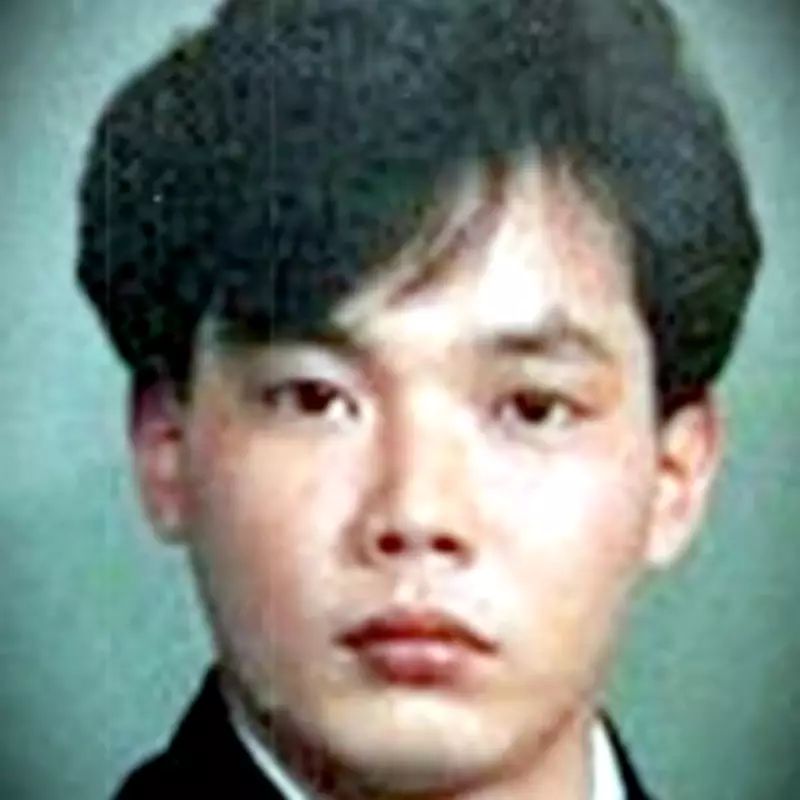
In what has been described as one of the most excruciating deaths in recorded history, a Japanese nuclear plant worker suffered through 83 days of unimaginable agony following a catastrophic accident. Hisashi Ouchi, aged 35, absorbed a lethal dose of radiation when a routine procedure at the Tokaimura nuclear facility spiralled into disaster on September 30, 1999.
The Catastrophic Incident
During a standard processing task, coworkers inadvertently poured an excessive quantity of uranium into a tank, triggering an uncontrolled nuclear chain reaction. Ouchi, positioned perilously close to the epicentre, was bombarded with approximately 17,000 millisieverts of radiation. This staggering exposure equated to enduring 200,000 X-rays simultaneously, establishing a grim world record for human radiation absorption.
Unprecedented Medical Crisis
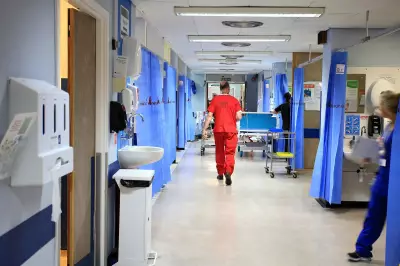
The radiation dose obliterated Ouchi's biological defences, effectively annihilating his white blood cells and leaving him utterly immunocompromised. Rushed to the University of Tokyo Hospital, medical teams embarked on a desperate series of experimental treatments. However, the radiation had catastrophically damaged his cellular regeneration capabilities, initiating a horrifying physical decline.

His skin progressively sloughed away, blood vessels disintegrated, and his eyelids detached. Continuous fluid leakage from exposed tissues inundated his lungs, necessitating permanent ventilator support. Simultaneously, his digestive system collapsed, resulting in severe pain and substantial daily fluid depletion.
Futile Interventions and Unbearable Suffering
Despite aggressive medical interventions, including repeated skin grafts and stem cell transfusions, Ouchi's condition deteriorated relentlessly. He required up to ten blood transfusions daily merely to sustain basic bodily functions. Pain management proved ineffective, with reports indicating he periodically pleaded for cessation of treatment.
In a particularly controversial decision, doctors resuscitated Ouchi after his heart stopped two months into the ordeal. Throughout this period, he experienced moments of lucidity, fully comprehending his deteriorating state. According to medical staff accounts, he eventually uttered six devastating words: "I can't take it anymore. I am not a guinea pig."
Tragic Outcome and Aftermath
Hisashi Ouchi succumbed to multiple organ failure on December 21, 1999, falling just short of his family's hope to witness the new millennium. His coworker, Masato Shinohara, aged 40, perished from similar complications four months later. A third individual, Yutaka Yokokawa, survived with lesser exposure.
Investigative Findings and Legal Repercussions
Japanese government investigators attributed the disaster to systemic failures: inadequate regulatory oversight, deficient safety protocols, and insufficient worker training. In 2003, six officials from the operating company received suspended prison sentences for professional negligence and violations of nuclear safety legislation.
This harrowing episode remains a stark reminder of the devastating human cost when nuclear safety procedures are compromised, highlighting enduring ethical questions regarding extreme medical intervention in hopeless cases.