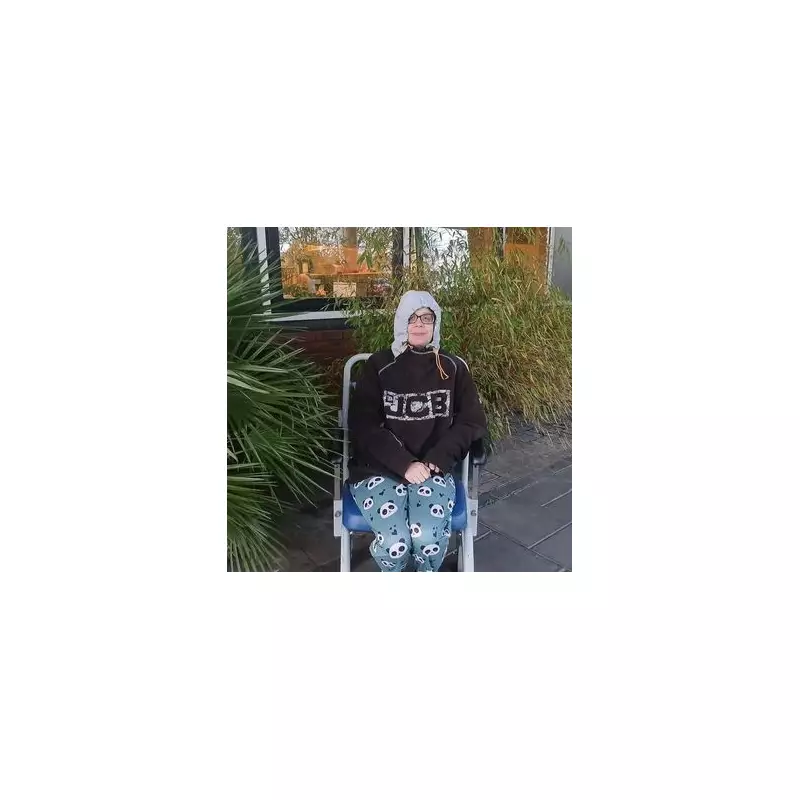
A previously fit and active nurse from Surrey has been left relying on a wheelchair after suffering a severe reaction to a dye used during a private MRI scan, with tests confirming high levels of the toxic chemical remain in her body over a year later.
From Half-Marathons to Heartbreak
Clare Garrett, a 45-year-old veterinary nurse from near Camberley, was living a healthy life, running five times a week and completing half-marathons. Her world turned upside down in June 2024 after a minor accident at home where she bumped her head on a kitchen cupboard while pet-sitting.
When concussion-like symptoms persisted, Clare opted for a private MRI scan in July 2024 to avoid NHS waiting lists. As is standard, she was injected with gadolinium, a contrast agent used to sharpen scan images which is typically expelled from the body within 24 hours.

A Rapid and Devastating Decline
The day after the scan, Clare woke unable to lift her head from her pillow. She soon developed a disturbing crunching sensation in her neck and knees. As her health mysteriously deteriorated, she underwent two further MRI scans, both using gadolinium, before being diagnosed with an unexpected heart condition.
Over the ensuing 18 months, Clare's health collapsed. She developed a cascade of conditions including severe neurological issues, cervical spine instability, tachycardia, dysautonomia, and connective tissue problems. She now uses a wheelchair 90% of the time, suffers from extreme head pain, and collapses almost daily.
The Diagnosis: Gadolinium Toxicity
Baffled by her decline, Clare researched her symptoms online and discovered gadolinium toxicity – a rare, long-term side effect of the contrast dye. Subsequent testing revealed the shocking truth: 16 months after her first injection, she still had 'very high' levels of gadolinium in her body.
"I feel like I was poisoned by this chemical," Clare stated. "I was told it would be removed from my body within 48 hours. It feels like it's taking my life away." She estimates the ordeal has cost her around £45,000 in lost earnings and care.
While the NHS states that serious reactions to gadolinium are very rare, Clare is now fundraising for specialist treatment abroad to try and remove the metal from her system. She is also determined to raise awareness, insisting patients must be fully informed of potential risks, however uncommon.