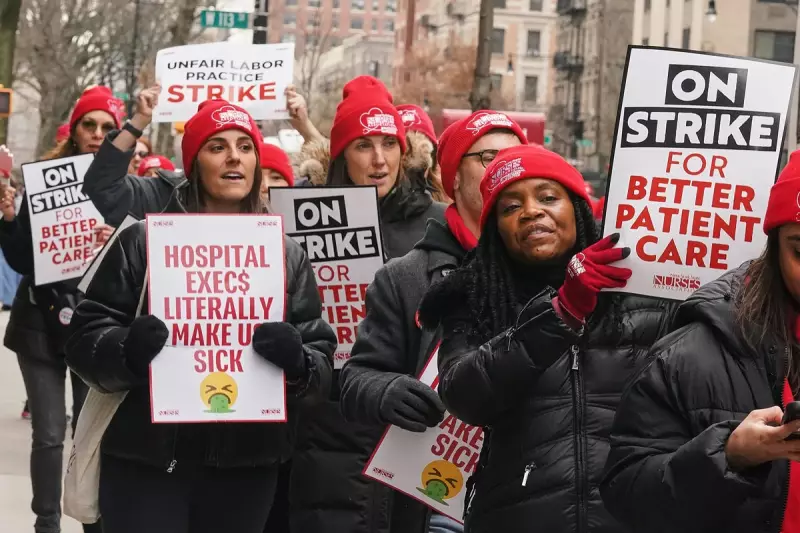
Major Healthcare Disruption as Strike Action Continues
For a third consecutive day, thousands of nurses across New York City have walked off the job, creating the largest nursing strike the city has witnessed in decades. As of Wednesday, 14 January 2026, negotiations between the New York State Nurses Association (NYSNA) and three major private, non-profit hospital systems remain at a standstill, with no further talks scheduled.
The strike involves roughly 15,000 unionised nurses at multiple campuses of Mount Sinai, Montefiore, and NewYork-Presbyterian. However, hospital officials at Mount Sinai report that an increasing number of union members are choosing to work, with the figure rising from 20% on Tuesday to 23% on Wednesday.
Core Demands: Safety, Staffing, and Salaries
While demands vary slightly by institution, the union has identified three critical issues: healthcare benefits, safe staffing ratios, and protection from workplace violence. Nurses describe emergency departments as dangerously overcrowded, with patients frequently treated in hallways due to a lack of rooms.

At a rally outside a Bronx hospital on Wednesday, Montefiore emergency room nurse Erika Perrotta highlighted the impossible working conditions. Another nurse, Phiona Hunnigan-McFarlane, shared her traumatic experience of being punched to the ground by a patient, resulting in injuries that required six months off work.
In response, the hospitals have labelled the union's financial demands as "extreme." Montefiore claims the proposed deal would raise the average nurse's salary to $220,000 within three years, while Mount Sinai puts the figure at nearly $250,000. The current average salary across the three systems is approximately $163,000.
Patient Impact and Contingency Plans
Hospital administrators insist they are prepared for the walkout. They have brought in thousands of temporary, contract nurses to cover shifts and have urged the public not to avoid seeking necessary care. Mount Sinai reported its emergency department managing a 25% increase in patient registrations since the strike began.
In preparation, hospitals cancelled scheduled surgeries, transferred patients, and increased discharges in the days leading up to the action. The strike coincides with the tail end of the flu season, though case numbers have declined since a pre-holiday surge.
This is the first major nurses' strike since 2023, which also lasted three days and involved Mount Sinai and Montefiore. That dispute resulted in a 19% pay rise over three years and provisions on staffing, which the union now alleges the hospitals are trying to undermine in current talks.