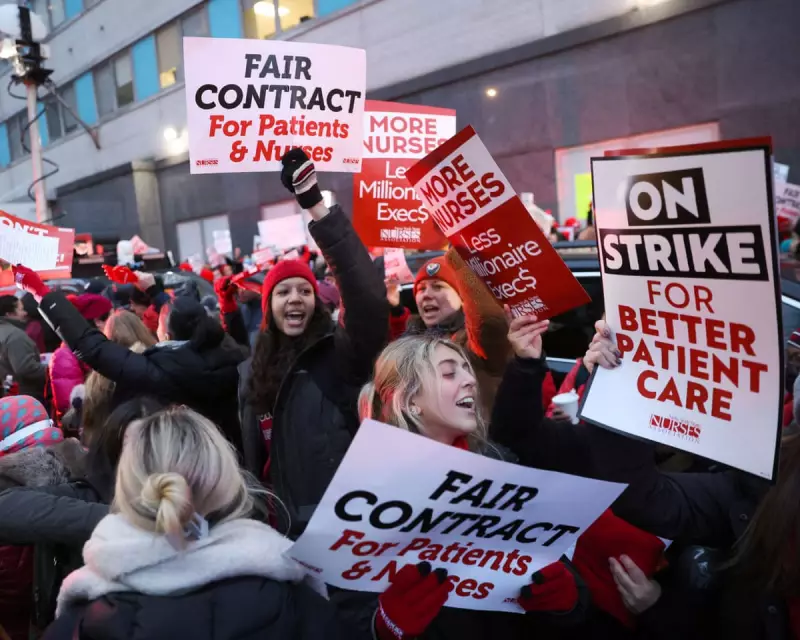
New York City is preparing for its largest-ever nurses' strike, with close to 15,000 healthcare professionals set to walk off the job on Monday, 9 January 2023. The industrial action, organised by the New York State Nurses Association (NYSNA), is expected to cause significant disruption at several of the city's major private hospitals during an intense flu season.
State of Emergency Declared as Hospitals Prepare
In anticipation of the massive walkout, New York Governor Kathy Hochul declared a state of emergency on Friday. She urged hospital administrators and union leaders to reach a last-minute agreement, warning that a strike "could jeopardise the lives of thousands of New Yorkers and patients." The strike involves staff at institutions including Mount Sinai in Manhattan, Montefiore Medical Center in the Bronx, and NewYork-Presbyterian/Columbia University Irving Medical Center.
This will be the biggest nurses' strike the city has witnessed, surpassing a three-day walkout at Mount Sinai and Montefiore in 2023. That previous action forced hospitals to postpone non-emergency surgeries, reroute ambulances, and transfer some intensive-care patients.

Core Issues: Staffing, AI, and Safety
The central dispute, mirroring the 2023 labour conflict, revolves around chronic understaffing. Nurses argue that well-funded hospitals refuse to commit to enforceable standards that ensure safe and manageable workloads. In this round of negotiations, the union is also pressing for limits on hospitals' use of artificial intelligence and enhanced workplace safety protections. These demands follow recent security incidents, including a gunman entering Mount Sinai in November.
Hospital officials have labelled the strike threat as "reckless" and stated they will "do whatever is necessary to minimise disruptions." They contend that nursing vacancy rates have greatly reduced in the past three years and that meeting the union's full demands would be prohibitively costly.
However, nurses on the frontline tell a different story. Sophie Boland, a paediatric intensive care nurse at NewYork-Presbyterian, told the Associated Press: "My hospital tries to cut corners on staffing every day, and then they try to fight historic gains we made three years ago."
Contingency Plans and Patient Impact
Hospitals are implementing extensive contingency plans. Mount Sinai has hired over 1,000 temporary nurses and conducted drills for a strike affecting its 1,100-bed main facility and two affiliates. NewYork-Presbyterian has also arranged for temporary staff but warned that some patients might be moved or advised to transfer. Montefiore has assured patients that appointments will be kept.
Despite these plans, the 2023 strike led to longer waits and understaffed wards, even with temporary nurses and administrators filling in. Union president Nancy Hagans has stressed that patients should not delay seeking necessary care during the potential strike.
The previous contract, which expired on 31 December, secured a 19% raise over three years and staffing improvements. The union now alleges hospitals are retreating from those guarantees. For instance, despite a 2023 agreement to reduce "hallway patients" in emergency rooms, nurses report the practice continues.
As the Monday deadline looms, the standoff highlights a deepening crisis in hospital staffing and worker safety, set against the backdrop of a challenging post-pandemic healthcare landscape.