One Third of English Dying in Pain as Palliative Care Crisis Deepens
A major new study has revealed a shocking crisis in palliative care across England, with one in three people dying in pain or distress. The research, organised by end-of-life charity Marie Curie, shows that traumatised families are being forced to watch their loved ones die in agony without adequate support.
Thousands Suffering Without Vital Support
The comprehensive study, the first of its kind in over a decade, indicates that approximately 170,000 people in England spend their final days in "pain, distress or without vital support" each year. Researchers from King's College London and the University of Hull, with contributions from the University of Edinburgh, conducted the analysis, which was funded by Marie Curie.
Alarmingly, the charity projects that by 2050, this number could rise to more than 212,000 people dying without the care they desperately need. The findings highlight significant gaps in the current system that should provide comfort and dignity to everyone at the end of life.

Families Describe "Hellish" Final Moments
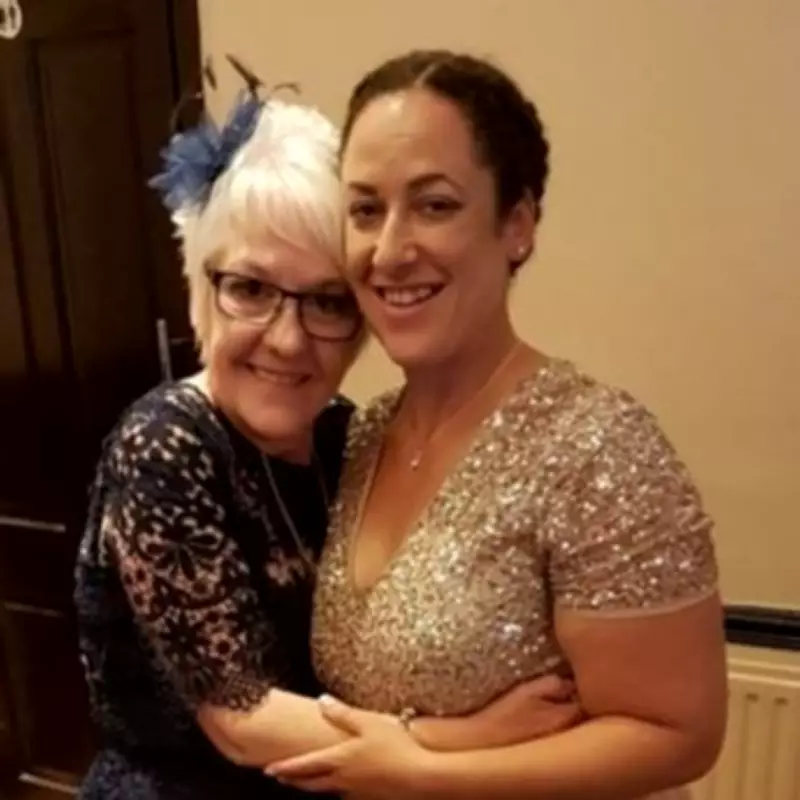
Zoe Cooney, 43, from Chesterfield, Derbyshire, shared her heartbreaking experience of watching her mother, Karen Cooney, 65, suffer during her final hours. Karen, who had cervical cancer that had spread, pleaded for help to stop the pain but received inadequate care.
"It was totally traumatic and something we will never forget or get over," Zoe said. "It was just hell. I think the ministers should go and see people in their final days and see that people are not passing away peacefully."
Describing her mother's agony, Zoe recalled: "She was saying; 'Can you help me, can you stop the pain? I didn't think it was meant to be this painful.' They always say we can make you comfortable but it doesn't happen."
Bank Holiday Care Failures
Karen's final hours came during the April bank holiday weekend last year, when the family was told they could not secure a place in the local hospice. "Everything seemed to be impossible because it was a bank holiday – as if people don't die on bank holidays!" Zoe exclaimed.
She described how her mother remained aware of her suffering, screaming and begging for help while medical staff seemed unprepared. "Some of the nurses were very young ones, they just kept apologising, they generally didn't know what to do," Zoe said. "It was not a palliative ward and we were all just stood there shocked."
Despite having a syringe driver for pain management, it proved ineffective, and requests for reevaluation were met with responses that nobody was available due to the holiday. Karen suffered for hours until she passed away at 2am.
Charity Demands Government Action
Matthew Reed, Chief Executive of Marie Curie, stated unequivocally: "The evidence is clear. People are reaching the end of their lives without basic palliative care, causing pain and distress that is often avoidable - and the situation is getting worse."
He emphasized that the UK Government now has the evidence it needs and must act promptly. "Dying people cannot afford further delay," Reed warned, pointing to the Government's delayed Modern Service Framework for improving end-of-life care, which was due in Spring but has been postponed until autumn.
Essential Commitments Required
Marie Curie is urging the Government to include three critical commitments in the Modern Service Framework:
- Round-the-clock care: Every community should have 24/7 advice and coordination, including specialist telephone services with access to essential medicines when needed most.
- Local accessibility: Palliative care must be fully embedded in every neighbourhood health service in England, ensuring care is available close to patients.
- Quality support from all providers: Compulsory palliative and end-of-life care training for all health and care staff, including GPs, paramedics, and emergency teams, to build confidence in supporting dying patients.
Government Response
A spokesperson for the Department of Health and Social Care responded: "No one should face the end of life in pain or without the support they need and we know there are unacceptable gaps in access to palliative care."

They highlighted the Modern Service Framework as a solution to "tackle variation, strengthen the workforce and expand access to 24/7 support, so patients and families can rely on compassionate care when it matters most."
The spokesperson also noted the £125 million investment in hospices, described as "the biggest investment in hospices in a generation," aimed at shifting more care into the community and ensuring more people receive high-quality, dignified care closer to home.
However, families like Zoe Cooney's continue to call for immediate action to prevent others from experiencing similar trauma. "I just feel so bad she suffered the whole time and I just couldn't take the pain away," Zoe said through tears. "She suffered right to her last breath. I can't understand how we let this happen. This shouldn't be happening."