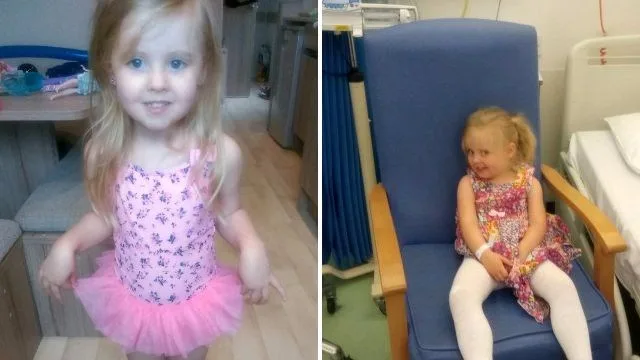
Pandemic Lockdowns May Have Caused Long-Term Harm to Children's Brain Development
A comprehensive new study has issued a stark warning that the Covid-19 pandemic and subsequent lockdowns may have inflicted permanent damage on children's brain development. The research, spearheaded by the University of East Anglia in collaboration with Lancaster University and Durham University, reveals that the unprecedented disruption significantly hampered children's ability to regulate their behaviour, maintain focus, and adapt to changing situations.
Critical Development Stage Disrupted
The most severe impact was observed among children who were in reception class, aged four to five, when the first national lockdown commenced in March 2020. This age represents a crucial developmental period when children typically learn essential socialisation skills, establish classroom routines, and navigate the complex dynamics of early education environments.
Instead of experiencing this vital developmental phase in traditional classroom settings, millions of young children were confined to their homes, receiving education either through online platforms or from their parents. These children, now approximately 10 to 11 years old and in their final year of primary school, showed markedly slower growth in self-regulation and cognitive flexibility compared to peers who were in preschool when the pandemic began.

Research Methodology and Findings
The study, published in the prestigious journal Child Development, followed 139 children aged between two-and-a-half and six-and-a-half years over several years. Crucially, 94 families had joined the longitudinal study before Covid-19 emerged, providing researchers with valuable baseline data about children's pre-pandemic abilities.
Using the standardized Minnesota Executive Function Scale assessment, researchers measured cognitive skills at regular intervals throughout the pandemic period. Lead researcher Professor John Spencer from UEA's School of Psychology explained: "Children who were in reception when the country shut down showed much slower growth in key self-regulation and cognitive flexibility skills over the next few years than children who were still in preschool."
Professor Spencer elaborated on the significance of this finding: "Reception is a critical year for peer socialisation. It's when children learn classroom norms and build early friendships that shape their confidence. For the cohort who started school in 2020, classrooms were closed, routines collapsed overnight, and opportunities for social interaction were severely limited."
Long-Term Consequences and Supporting Evidence
The researchers emphasize that these developmental delays may persist for years, potentially creating a generation of children requiring additional support from educational institutions and health services. The study's findings align with concerning reports from the education sector, where eight in ten teachers reported worsening "pupil inattention" since the pandemic, noting increased disruptive behaviours including inappropriate chatter and laughter.
According to a 2023 report by Speech and Language UK, the average child missed 84 school days due to Covid-related disruptions. Many educators attribute these behavioural changes to children falling behind in social skills after extended periods of screen-based learning, with some suggesting that social media platforms may have exacerbated attention difficulties.
Broader Implications for Adolescent Development
The research builds upon previous studies examining pandemic impacts on adolescent brain development. Separate research from the University of Washington analyzed MRI scans from teenagers before and after the pandemic, finding accelerated cortical thinning—a natural rewiring process that typically occurs between childhood and adolescence.
This accelerated thinning was particularly pronounced among teenage girls, whose brains showed signs of premature aging equivalent to approximately four years. Adolescent boys also demonstrated accelerated thinning, though to a lesser degree of about one-and-a-half years. While the long-term implications remain uncertain, some studies have linked accelerated cortical thinning to increased exposure to stress and anxiety.

Future Considerations and Policy Implications
The research team highlights the urgent need for strategies to support affected children and protect developmental trajectories during future national emergencies. Their work raises fundamental questions about how societies can better safeguard children's cognitive and emotional development during crises while acknowledging the complex challenges posed by necessary public health measures.
As Professor Spencer concluded: "Our findings suggest that peer socialisation and the new self-regulatory skills children must master in reception might be particularly critical for the development of executive function skills. Without these experiences, reception children had a challenging time developing self-regulation and cognitive flexibility in the years that followed the pandemic."