DWP PIP Review Suspends Changes as Millions Claim Up to £749 Monthly
PIP Review Suspends Changes, Millions Get Up to £749 Monthly

Planned changes to the Personal Independence Payment (PIP) system by the Department for Work and Pensions (DWP) have been put on hold. This suspension will remain in place until a comprehensive review of the eligibility criteria and assessment procedures is fully completed.

Timms Review to Shape Future PIP Policy

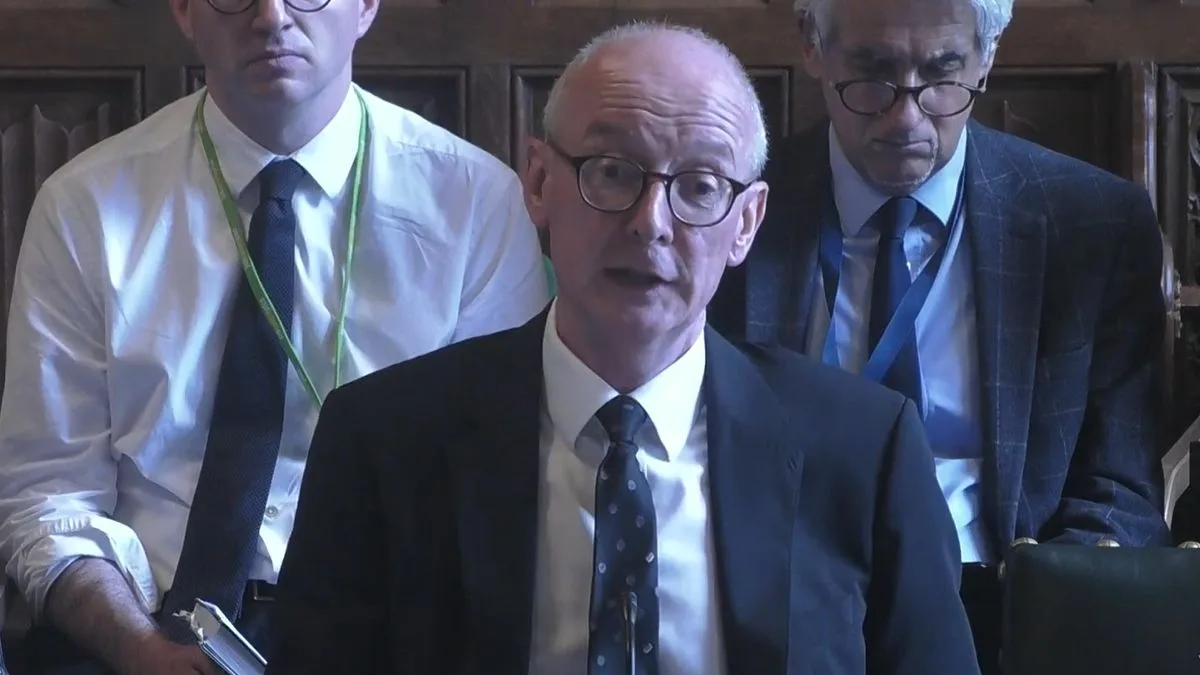
The review, known as the 'Timms Review', is being led by Sir Stephen Timms, the Minister for Social Security and Disability. It is being developed in collaboration with disabled individuals, advocacy groups, and charitable organisations. The findings from this significant consultation are expected to be published in the Autumn of 2026.

Current PIP Claimant Statistics and Award Lengths

According to the most recent official data from the DWP, there are now approximately 3.9 million people in England and Wales who are claimants of Personal Independence Payment. These individuals receive weekly financial support ranging from £29.20 to £187.45.

The statistics provide a detailed breakdown of award durations. Notably, nearly 1.8 million claimants, which represents 45% of the total, have been granted an award with a duration of five years or longer. This highlights a significant portion of recipients who rely on this support over an extended period.

Conditions Associated with Long-Term Awards

Analysis of the data reveals specific health conditions that are frequently linked with these longer-term PIP awards. For instance, more than 67% of claimants receiving PIP for a visual disease have been awarded a monthly payment of up to £749 for a period of five years or more.

Other conditions with high rates of long-term awards include:

  • General musculoskeletal conditions (such as arthritis): 50.8% of claimants have a longer award.
  • Neurological conditions (including epilepsy and multiple sclerosis): 49.5% have a longer award.
  • Respiratory diseases: 50% have a longer award.
  • Autoimmune and connective tissue disorders: 48% have a longer award.
  • Regional musculoskeletal diseases: 46% have a longer award.

Understanding PIP Award Structures and Reviews

For those considering a new PIP claim, it is essential to understand that award lengths can vary significantly. They may be set for a period as short as nine months or as long as ten years. However, the DWP's published data typically categorises longer awards simply as 'five years or longer'.

The decision on the length and value of an award is made by a DWP case manager. This decision is based on a detailed assessment of how the claimant's health condition or disability impacts their daily living activities and their ability to live independently. The guidance explicitly states that "The length of award will be based upon each claimant's individual circumstances."

Regular Reviews and 'Light Touch' Assessments

The DWP also emphasises that most PIP awards are subject to regular reviews. This process is designed to ensure that the level of support remains appropriate over time, regardless of the initial award length. The guidance confirms reviews are conducted to ensure "everyone continues to receive the most appropriate level of support."

However, some claimants receive what is termed a limited term award, which is fixed for a period of up to two years. These awards are typically not reviewed and are granted in situations where a claimant's health condition is reasonably expected to improve.

Conversely, claimants with very stable, long-term needs may be given an ongoing award with a 'light touch' review. This applies to situations where needs are unlikely to change, are high-level and may worsen, or where a review is scheduled around State Pension age.

PIP Payment Rates and Annual Support

PIP payments are currently set at between £29.20 and £187.45 each week. This translates to a four-weekly pay period amount of £116.80 or £749.80. Over the course of a full financial year, claimants on the highest level of award can receive up to £9,747 in additional financial assistance.

It is important to note that the maximum payment of £749.80 every four weeks is reserved for claimants who receive the enhanced rate for both components of PIP: the daily living component and the mobility component.

Eligibility and the Application Process

Eligibility for PIP requires a health condition or disability that causes difficulties with daily living tasks, mobility, or both. These difficulties must have been present for at least three months and be expected to last for at least nine months. Applicants usually need to have lived in the UK for two of the last three years and be in the country when they apply.

The assessment considers a wide range of activities, including eating, washing, dressing, communicating, managing medication, making financial decisions, socialising, and moving around both inside and outside the home.

Claims are made by contacting the DWP directly. Applicants should have key details ready, including their National Insurance number, bank account information, and contact details for their doctor or healthcare professional.

How PIP is Paid and Assessed

PIP is typically paid every four weeks directly into a bank, building society, or credit union account. For those under special rules for terminal illness, payments are made weekly.

The assessment process involves an independent healthcare professional who evaluates the claimant's needs. This assessment can take the form of a face-to-face consultation, a video call, a telephone assessment, or a paper-based review, depending on what is deemed most suitable for the individual claimant.

The benefit consists of two components:

  1. Daily Living Component: Standard rate: £73.90 per week; Enhanced rate: £110.40 per week.
  2. Mobility Component: Standard rate: £29.20 per week; Enhanced rate: £77.05 per week.

The amount a claimant receives depends on how severely their condition affects them in these two areas.