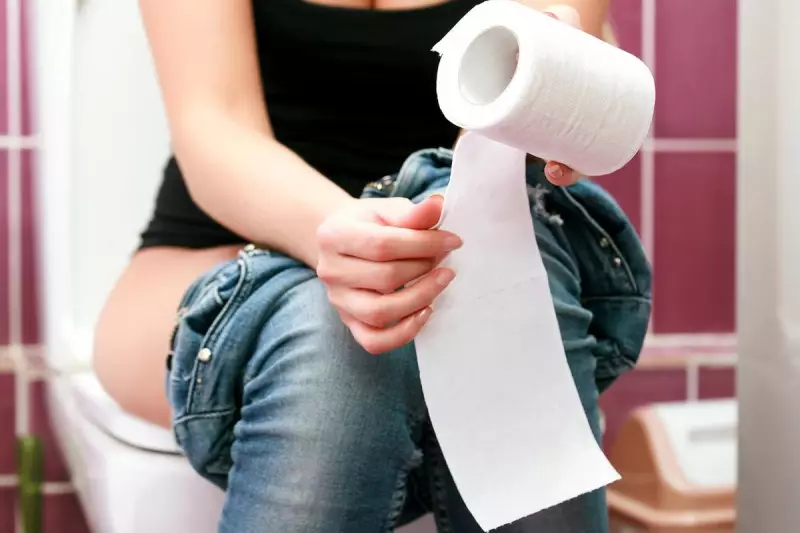
For anyone who needs frequent or urgent bathroom access, from parents to those with chronic health conditions, knowing the location of a clean public toilet is a modern survival skill. But what happens when you're caught short and the only available facility looks less than pristine? The age-old dilemma returns: to sit or not to sit?
The Microbial Reality of Public Toilets
According to Associate Professor Lotti Tajouri, a genomics and molecular biology expert from Bond University, public conveniences can resemble a "microbial soup". Every healthy adult sheds over a litre of urine and more than 100 grams of faeces daily, along with the bacteria and viruses they contain. This microbial load is amplified when individuals with illnesses, particularly diarrhoea, use the facilities.
The variety of germs identified on and around toilet seats is concerning. Research has found gut bacteria like E. coli and Klebsiella, alongside viruses such as norovirus and rotavirus, which can trigger severe gastroenteritis. Skin bacteria, including Staphylococcus aureus and even drug-resistant strains, are also present. The list extends to parasite eggs and protozoa, which can cause abdominal distress, and persistent microbial biofilms that build up under rims.

Surprising Dirtiest Spots and the Toilet Plume Threat
Contrary to popular fear, the seat itself is often not the filthiest part. A recent study highlighted that door handles, tap knobs, and flush levers frequently harbour more microbes, as they are touched repeatedly with unwashed hands. The true hidden danger, however, lies in the flush.
Professor Tajouri warns of the "toilet plume" – a spray of microscopic droplets ejected into the air when a lidless toilet is flushed. This aerosol, which can carry bacteria and viruses from the bowl, can travel up to two metres, contaminating surfaces, the air, and even your lungs if inhaled. Hand dryers can compound the problem by blowing poorly washed germs around the room.
Practical Steps for Protection
So, how can you navigate public bathrooms safely? The expert advises a shift in focus from the seat to smarter hygiene practices:
- Use a toilet seat cover or layer toilet paper on the seat for peace of mind.
- If a lid is present, close it before flushing to dramatically reduce plume spread.
- Wash hands thoroughly with soap and water for at least 20 seconds.
- Opt for paper towels over air dryers where possible.
- Carry alcohol-based hand sanitiser or wipes for use afterwards.
- Avoid using your mobile phone in the cubicle and sanitise it regularly.
Critically, experts advise against hovering over the seat. This position tenses the pelvic floor, preventing complete bladder emptying and increasing the risk of accidentally spraying bodily fluids, which benefits no one.
The Final Verdict on Sitting Down
For most healthy individuals, sitting on a public toilet seat is considered low-risk. Intact skin is an excellent barrier against infection. The primary routes of germ transmission are far more likely to be from touching contaminated surfaces like handles and then your face, or from inhaling particles from toilet plumes.
Instead of undue anxiety about the seat, concentrate on what truly matters: proper hand hygiene, sensible surface cleaning, and keeping your personal items like your phone away from the bathroom environment. By following these evidence-based steps, you can answer nature's call with greater confidence and considerably less worry.