Families See Breakthrough in QEUH Hospital Infection Scandal
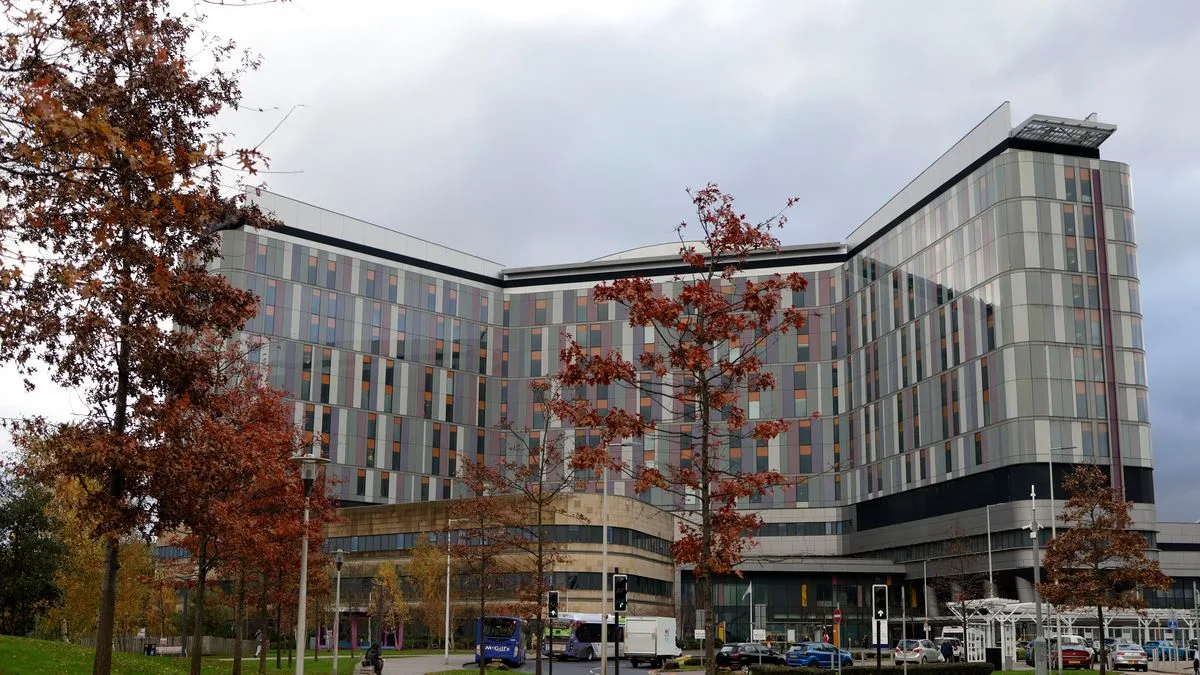
After enduring years of misinformation and character attacks, families who lost relatives to infections acquired at Scotland's flagship hospital are finally witnessing significant progress in their quest for truth and accountability. Two major developments within the past week have propelled the Queen Elizabeth University Hospital (QEUH) scandal to the forefront of Scotland's news and political discourse.
Critical Admissions Emerge
The first breakthrough occurred with last week's Mail on Sunday revelation that NHS Greater Glasgow and Clyde has formally acknowledged contaminated water at the SNP's £1 billion superhospital caused serious infections in young cancer patients. This admission represents a pivotal moment for affected families who have long argued this connection.
The second development came through a bombshell closing statement submitted by the health board to the Scottish Hospitals Inquiry, established in 2019 to investigate construction issues at both the QEUH campus and Edinburgh's Royal Hospital for Children. The statement contained the damning assessment: 'Pressure was applied to open the hospital on time and on budget, and it is now clear that the hospital opened too early. It was not ready.'
Mixed Emotions for Affected Families
For grieving families, these revelations have triggered conflicting emotions - simultaneous relief that their long battle for truth has finally received formal validation, and profound anger that they and NHS whistleblowers faced contempt from those in positions of authority. While awaiting the final findings and recommendations from inquiry chair Lord Brodie, the past week has undeniably broken the dam of silence surrounding this tragedy.
Political Pressure Under Scrutiny
The scrutiny extends far beyond health board management, reaching directly to the highest levels of the SNP government. Ministers bear ultimate accountability for Scotland's health boards, and evidence strongly suggests the pressure to open QEUH prematurely originated from government sources, whether through explicit directives or implicit expectations.
During the 2015 general election campaign, SNP politicians including then First Minister Nicola Sturgeon extensively promoted the newly constructed Glasgow hospital as a major achievement. With the scheduled opening occurring just ten days before polling day, any delay would have represented a significant public relations setback for the party.
Denials and Deflections
At Thursday's First Minister's Questions, John Swinney denied the Sturgeon government applied pressure regarding the hospital's opening. However, as the administration's second most senior figure, his denial carries predictable limitations. Swinney declined to identify who the health board referenced if not Scottish Government ministers or officials, suggesting this determination should await Lord Brodie's inquiry findings - which likely won't publish until after May's Scottish Parliament elections.
Pattern of Secrecy Emerges
The QEUH scandal reflects troubling patterns observed in other recent controversies involving Scotland's public institutions. The current SNP government appears to foster a culture characterized by arrogance, secrecy, and systematic cover-up attempts.
- The Covid inquiry revealed Swinney and Sturgeon's controversial deletion of WhatsApp messages
- Scotland's Information Commissioner recently announced legal action against the SNP government for failing to produce documents related to the Salmond inquiry
- Multiple public institutions appear to mirror the operational culture of their funding government
As the Scottish Hospitals Inquiry continues its vital work, affected families maintain their demand for immediate answers regarding who specifically pressured health authorities to open QEUH before completion. The human cost of these decisions demands nothing less than full transparency and accountability from all responsible parties.