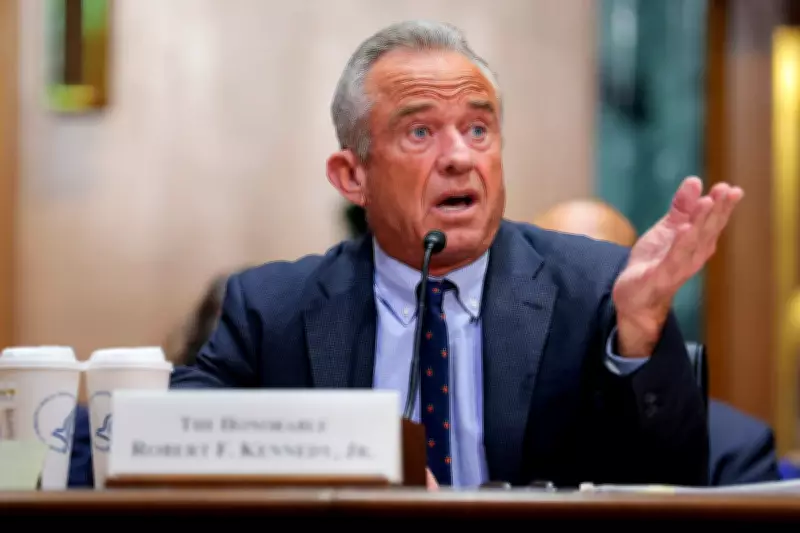
Health Secretary Robert F Kennedy Jr has sparked controversy by dismissing personal responsibility for recent measles outbreaks across the United States, instead blaming unvaccinated immigrants for the surge in cases. During a House Energy and Commerce Committee hearing, Kennedy asserted that the issue stems primarily from immigration policies, deflecting from his own record of promoting vaccine skepticism.
Kennedy's Claims and Policy Changes
Since assuming the role of Health Secretary, Kennedy has implemented significant changes to the nation's immunization framework. He replaced the Centers for Disease Control and Prevention's Advisory Committee on Immunization Practices with individuals known for their vaccine-skeptic views. Additionally, Kennedy removed the Covid-19 vaccine from recommended schedules for children and pregnant women, a move that has drawn criticism from public health experts.
Measles Outbreak Statistics and Risks
The United States has recorded over 1,700 measles cases this year, with major outbreaks notably occurring in Texas during 2025. This alarming rise puts the country at serious risk of losing its hard-earned measles elimination status, a milestone achieved in 2000. Public health officials warn that continued spread could lead to more severe health consequences nationwide.

Refusal to Commit to Pro-Vaccine Guidance
During the hearing, Kennedy refused to commit to implementing pro-vaccine guidance from Erica Schwartz, Donald Trump's nominee to head the CDC, if she is confirmed. This stance further highlights his resistance to conventional vaccination approaches, despite mounting evidence of vaccine-preventable disease outbreaks.
Political Context and Broader Implications
Kennedy's comments come amid broader political debates about immigration and public health. His assertion that measles outbreaks "have nothing to do with me" contrasts sharply with his policy decisions that have reshaped the nation's vaccination landscape. Critics argue that blaming immigrants distracts from domestic policy failures and undermines efforts to maintain herd immunity through vaccination.
The hearing revealed deep divisions in approaches to public health management, with Kennedy's position reflecting a continued embrace of vaccine-skeptic narratives despite clear epidemiological data linking outbreaks to gaps in vaccination coverage. As measles cases continue to rise, the effectiveness of current health policies remains under intense scrutiny.