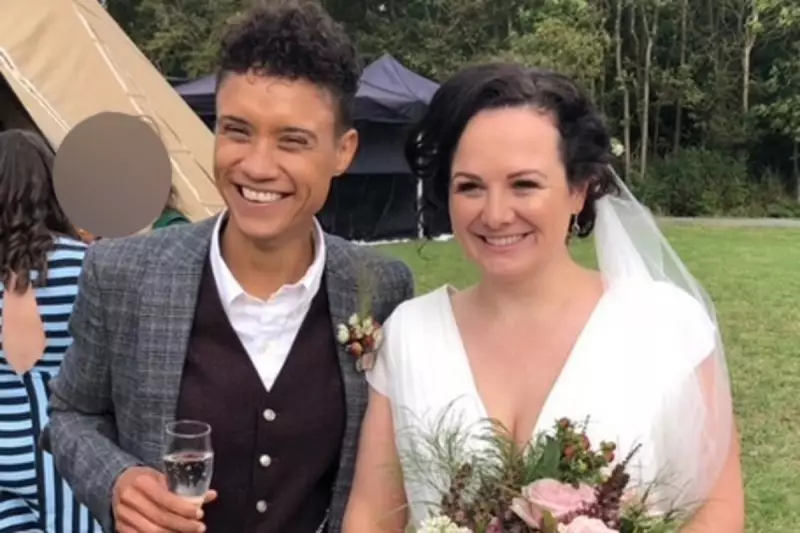
Tianne Spence-Stokes and her wife Carina are confronting a potential bill exceeding £21,000 to conceive their second child, exposing what they describe as a 'heteronormative' and costly NHS fertility pathway for same-sex couples.
The Cost of Building a Family
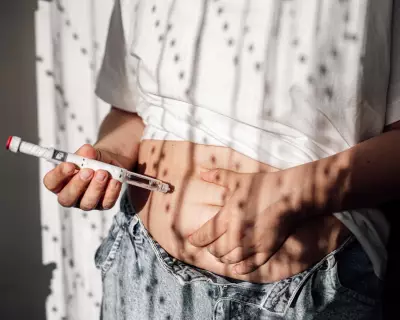
Having welcomed their daughter in 2022 after years of privately funded treatment, the couple now hopes for a sibling. However, they face a financial barrier that heterosexual couples do not encounter in the same way. While heterosexual couples are also typically excluded from NHS-funded fertility treatment for a second child, female same-sex couples must first pay for multiple rounds of private intrauterine insemination (IUI) before even being considered for IVF assistance. Tianne, 40, told The Independent the process feels like it was "never meant for us, that we are added on as an afterthought."
A 'Heteronormative' System
The standard NHS pathway requires most same-sex female couples to undergo between three and 12 rounds of IUI to 'prove' infertility, at a cost of up to £25,000, before accessing funded IVF. In contrast, heterosexual couples need to try conceiving naturally for up to two years. "The IUI is just an expensive queer test," Tianne stated. "We shouldn't need to prove infertility, it should be obvious given that we are in a same-sex couple that we can't naturally conceive."

Their journey has been fraught with extra expense and confusion. After beginning the process in 2019, the Covid-19 pandemic forced a halt, meaning they had to pay twice for blood tests, appointments, and medication. To date, they have spent £13,500 on fertility treatments. Now, with only one vial of their chosen donor sperm remaining and Tianne's fertility declining with age, they need £5,000 just to start the process again, with total costs estimated at over £21,000.
A Postcode Lottery of Care
The inequality is entrenched in policy. A 2023 report by the Human Fertilisation and Embryology Authority (HFEA) found the NHS funded 39% of IVF cycles for heterosexual couples, compared to just 14% for female same-sex relationships. Furthermore, 38 out of 42 Integrated Care Boards (ICBs) in England impose the costly IUI requirements on queer women.
Although a landmark judicial review against an NHS Clinical Commissioning Group in 2021 led to one board addressing the inequality, policy-setting remains a local ICB responsibility. An NHS spokesperson said: "Integrated Care Boards make decisions for their area, balancing the needs of their local patients and the resources available."
For Tianne and Carina, the issue is about family and hope. "In my heart, I always thought I'd have two to three children," Tianne said emotionally. "Becoming a mum has been the best thing I've ever done." Their story highlights a continuing disparity in how the NHS supports different families in their quest to have children.