Scottish Labour Leader Demands Ministerial Testimony at Hospitals Inquiry
Scottish Labour leader Anas Sarwar has issued a forceful demand for the Scottish Hospitals Inquiry to summon former First Minister Nicola Sturgeon and current First Minister John Swinney to give evidence. This call comes despite the inquiry having concluded its formal evidence sessions last week, with Sarwar urging a reopening of proceedings to scrutinise political decision-making.
Pressure to Open Hospitals Amid Safety Concerns
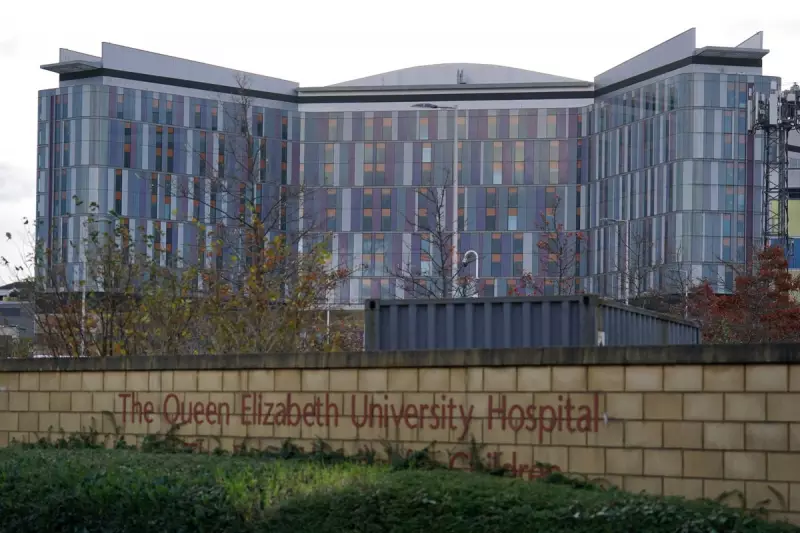
The inquiry, which has been examining the construction and maintenance of two major NHS facilities—the Queen Elizabeth University Hospital in Glasgow and the Royal Hospital for Children and Young People in Edinburgh—heard closing submissions recently. A statement from NHS Greater Glasgow and Clyde ignited significant political controversy by acknowledging that "pressure" had been exerted on the board to open the Glasgow hospital prematurely.
Opposition figures have directly implicated the Scottish Government, including former First Minister Nicola Sturgeon, in applying this pressure. The hospital's opening was followed by severe infection control failures that led to patient deaths, most notably that of 10-year-old Milly Main. While the health board later clarified that the referenced pressure was internal, the political fallout has intensified.

Call for Transparency and Ministerial Accountability
In a detailed letter to inquiry chair Lord Brodie, Anas Sarwar argued that for the investigation to be complete, it must examine the oversight and communication between Scottish ministers and the health board. He has called for Ms Sturgeon, Mr Swinney—who served as finance secretary and deputy first minister during the relevant period—and former health secretary Shona Robison to be formally called to give evidence.
"Any government will want to ensure that major construction projects are progressing according to budget and timelines," Sarwar wrote. "But if this was a major factor in the decision-making of the board, your inquiry must be given an opportunity to subject it to scrutiny."
He emphasised the crucial need to determine whether internal decision-makers and the government ministers to whom the board was accountable had any awareness of potential patient safety issues. The inquiry must establish, he argued, to what extent assurances were sought before the hospital opened and after problems emerged.
Ministers Accused of Avoiding Scrutiny
Mr Sarwar pointed out that the inquiry's terms of reference do allow for former ministers to be called. He contended that Mr Swinney, Ms Sturgeon, and Ms Robison have "avoided answering public questions on political decision-making throughout this scandal on the basis of the ongoing inquiry."
The First Minister has faced questions on the issue in Holyrood and in media interviews, while Ms Sturgeon issued a statement last week. However, Sarwar warned of a significant risk: "Without taking evidence on this question, there is therefore also a risk that ministers will attempt to use the final report of the inquiry as evidence that the problems were contained entirely within the health board and could not have been prevented by Government intervention."
He stressed that this aspect of political oversight has not yet been a feature of the inquiry's investigation. For full transparency and to obtain a complete picture of events, Sarwar insists that the role and conduct of Scottish ministers must be scrutinised.
The Scottish Hospitals Inquiry and the Scottish Government have been approached for comment regarding these latest demands.